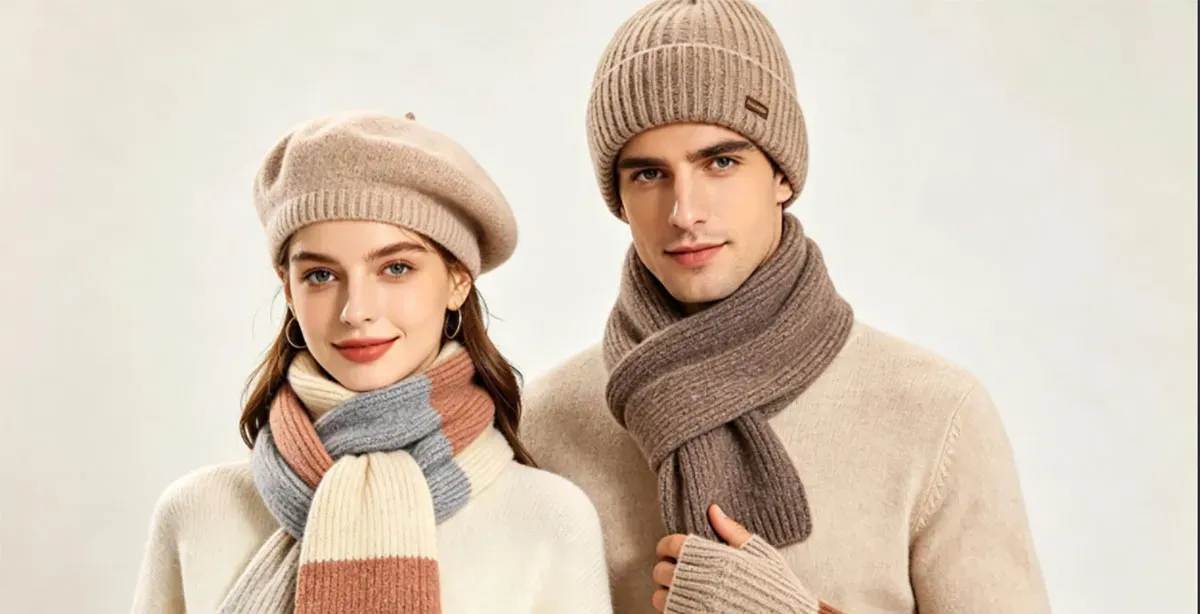

Many independent Australian fashion brands fall into a hidden trap when looking for offshore manufacturing: they simply copy the supply chain templates designed for the US and European markets.
The reality is that the Southern Hemisphere's opposite-season sales cycle, combined with the Australian Competition & Consumer Commission's (ACCC) extremely stringent mandatory clothing labeling regulations, demands a completely different delivery logic for private label manufacturing. If your supplier doesn't understand how to leverage seasonal production gaps, or if there's a minor discrepancy on a washing label composition, an entire shipment can face delays or even customs detention.
As an established factory based in Guangzhou's knitting industry hub, JM Sweater has come to a clear conclusion after years of serving mid-to-high-end clients in Sydney and Melbourne: a sweater that commands a genuine premium in a retail store isn't built on design alone. Its commercial moat is rooted in supply chain fundamentals—matching the right machine gauge to Australia's extreme diurnal temperature variations, applying meticulous hand-linking to extend garment longevity, and ensuring seamless cross-border coordination.
Whether you're developing a lightweight trans-seasonal knitwear line or a heavy merino wool autumn/winter collection, this guide offers a practical, no-nonsense roadmap. We'll move beyond the typical "factory price comparison" mindset and break down four critical pillars of a robust, secure, and high-margin knitwear supply chain specifically for the Australian market: equipment and gauge technology, advanced stitching techniques, counter-seasonal production planning, and full regulatory compliance.
How Can One Supplier Cover Australia's Diverse Climates? Mastering the Gauge Matrix
Australia's extreme latitudinal span means brands simply cannot penetrate the entire national market with a single product thickness. From sub-tropical humidity in Queensland to the harsh depths of a Tasmanian winter, what brands actually need is a flexible supply chain capable of switching precisely between different weights and textures across multiple product lines.
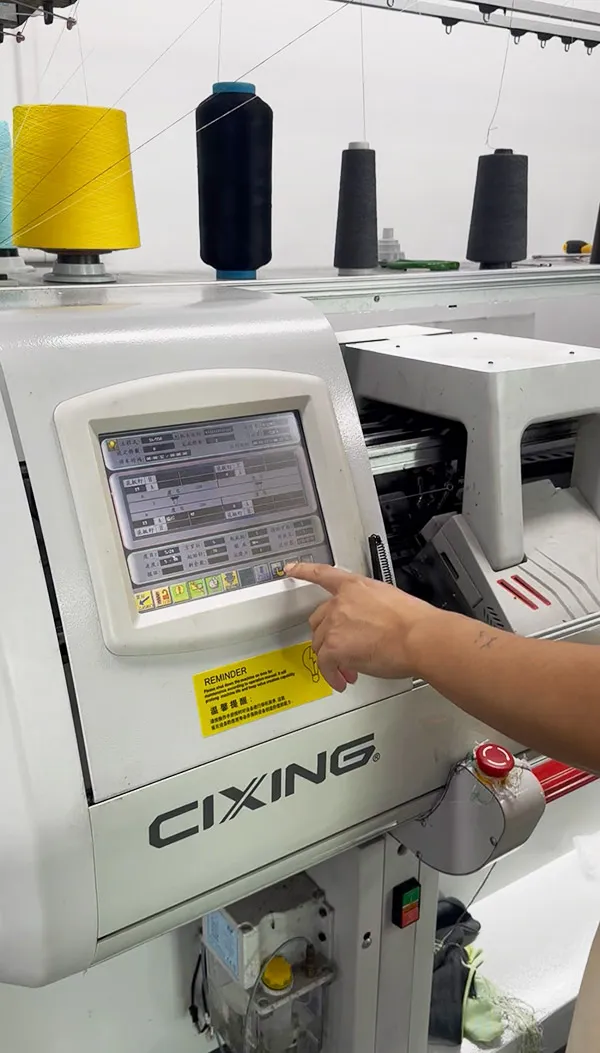
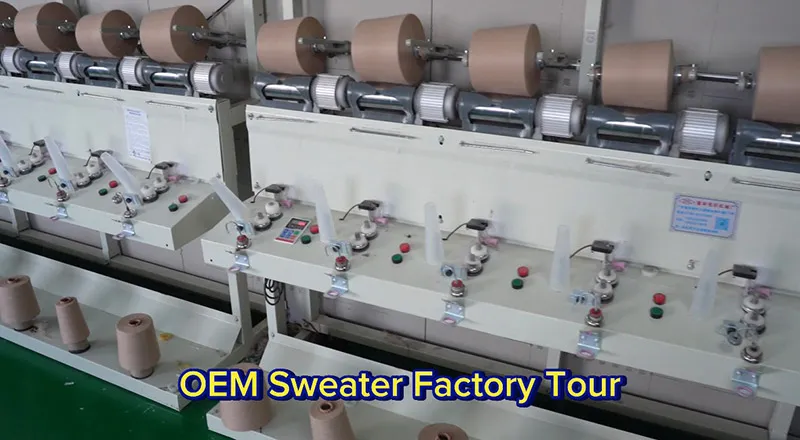
This is where a factory's hardware capabilities create genuine technical barriers to entry. High-quality private label manufacturing isn't just about running machines—it's about absolute control over knitting precision. At JM Sweater's production facility, our German STOLL and Japanese Shima Seiki computerized flat knitting machines form the foundation of advanced manufacturing. As an established Shima Seiki knitting factory with deep pattern-making expertise, our senior engineers translate complex jacquard and intarsia designs into precise needle programming data. This ensures every garment maintains consistent tension control, pattern definition, and finished weight, exactly as the designer intended.
Based on this equipment foundation, a highly targeted gauge strategy becomes critical:
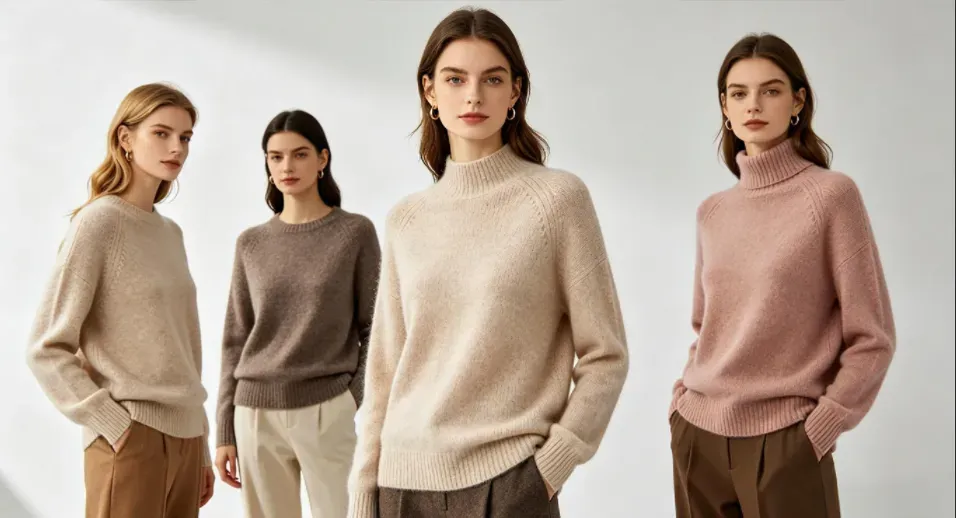
For metropolitan commuting scenarios in Sydney and Melbourne—where temperature can swing dramatically from morning to evening—the technically demanding 18GG ultra-fine gauge is the solution. These 18GG fine-gauge sweaters create exceptionally dense fabric structures that deliver a smooth, premium drape while providing the breathability and next-to-skin comfort that custom lightweight knitwear demands for trans-seasonal wear.
For the cold winter requirements in alpine regions, our production lines seamlessly transition to 5G and 7G chunky knit processes. By precisely adjusting yarn feed tension and structure, this approach produces sweaters with excellent volume and a richly textured, retro aesthetic. From the light, airy feel of ultra-fine gauge to the substantial weight of chunky knits, our comprehensive gauge coverage eliminates the hardware constraints Australian brands face when developing collections for multiple seasons and climates.
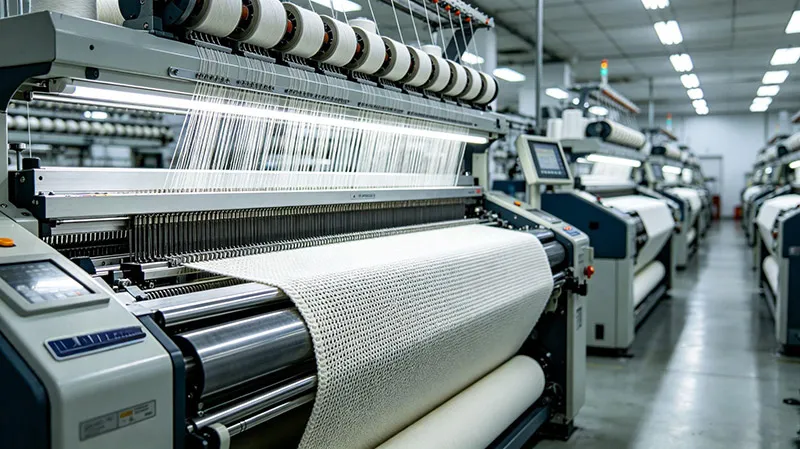
Quick Reference: Knitwear Gauge & Climate Application Matrix
| Machine Gauge | Target Climate / Season | Ideal Garment Application | Key Technical Benefit |
|---|---|---|---|
| 18GG / 16GG | Sydney / Melbourne (Trans-seasonal) | Lightweight commuting sweaters, fine cardigans | Ultra-dense drape, next-to-skin breathability |
| 12GG / 14GG | Standard Autumn / Spring | Classic crewnecks, business-casual pullovers | Balanced weight, universal year-round wear |
| 5G / 7G | Tasmania / Alpine Winters | Chunky roll-necks, heavy cable knits | High thermal insulation, rich retro volume |
What Justifies a Premium Retail Price? Unveiling the Art of Hand-Linking
Why do so many sweaters lose their shape at the collar after just a few washes, with seams at the armholes showing signs of fraying or even splitting? For mid-to-high-end independent Australian brands focused on garment longevity, these costly customer complaints usually stem not from yarn quality, but from the fundamental difference in stitching techniques.
In fast-fashion manufacturing standards, over 70% of mass-market knitwear is simply "cut and sewn" using overlock machines to prioritize production speed. This approach drastically reduces labor time and costs, but at a price: seams develop a stiff, bulky ridge that compromises the garment's overall drape and creates seams that lack elasticity, making them vulnerable to yarn breakage under normal wear and tear.
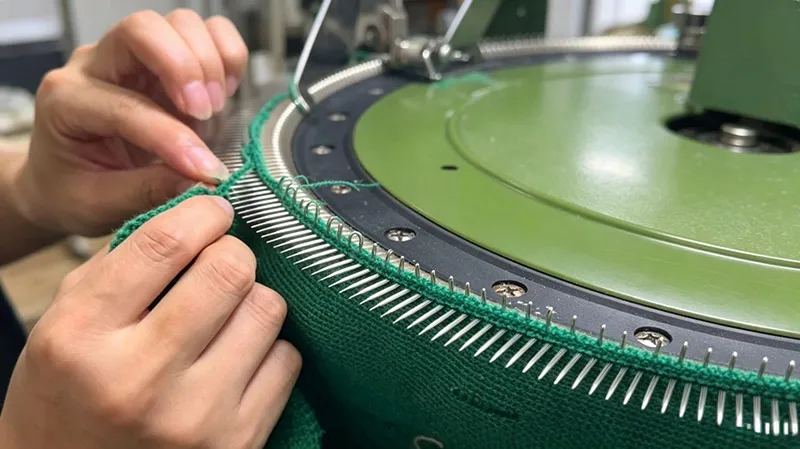
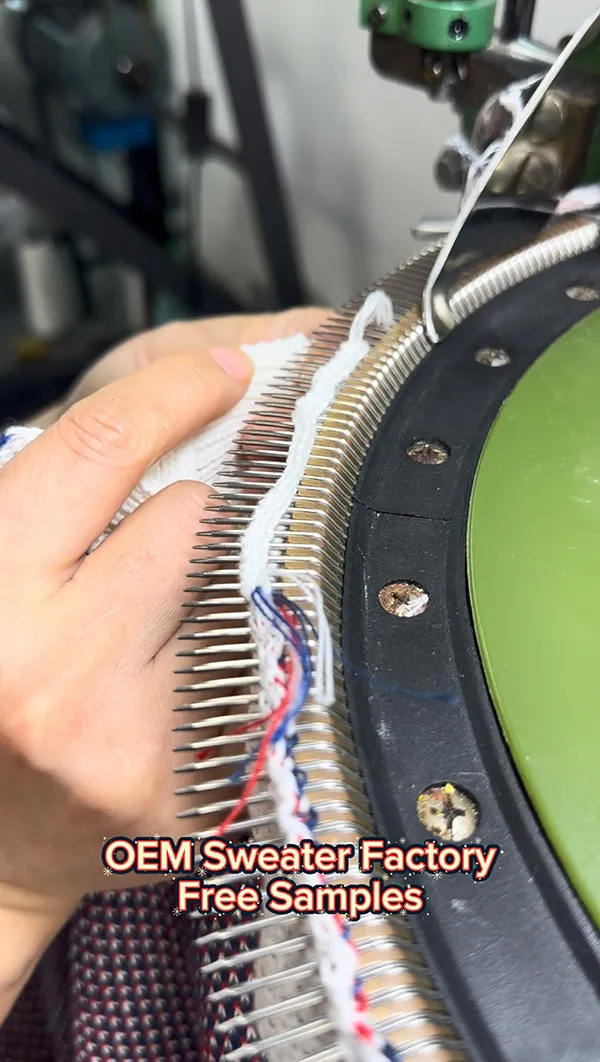
To genuinely differentiate product quality, you need to return to more sophisticated craftsmanship. At JM Sweater's premium production lines, hand-linking (also known as loop-by-loop linking) is a non-negotiable standard for stress points like collars and armholes. This delicate process demands exceptional hand-eye coordination from skilled operators: craftspeople precisely align the tiny individual loops along the edges of two knitted panels onto the linking machine's pins before connecting them stitch by stitch.
From a commercial standpoint, this time-consuming process is exactly what drives premium pricing. Hand-linking creates virtually invisible, smooth seams that deliver the same outstanding elasticity and long-term shape retention as the main fabric. When aprivate label knitwear piece carries a price tag of $200+ AUD in a boutique store, consumers are paying for that invisible quality—a seamless feel against the skin and true durability. By leveraging this advanced stitching, brands build a genuine quality moat that lifts them out of the commodity price wars.
How Timing is Everything: Leveraging the Counter-Cyclical Supply Chain
Global knitwear manufacturing operates on a pronounced "tidal effect." From May through August, Northern Hemisphere markets (US, Europe) enter peak production season for their autumn/winter collections. During this period, quality factories operate at full capacity—often overstretched. For independent brands without significant order volumes, trying to secure production slots at this time invariably leads to delays, ballooning communication costs, and diluted technical resources.
However, Australia's unique geography creates a natural commercial advantage. From November to March, when Northern Hemisphere factories slow down for their spring/summer lull, Australian brands enter the prime window to launch their autumn/winter (AW) collection planning. This seasonal time-shift is the key to building an efficient Southern hemisphere fashion supply chain.
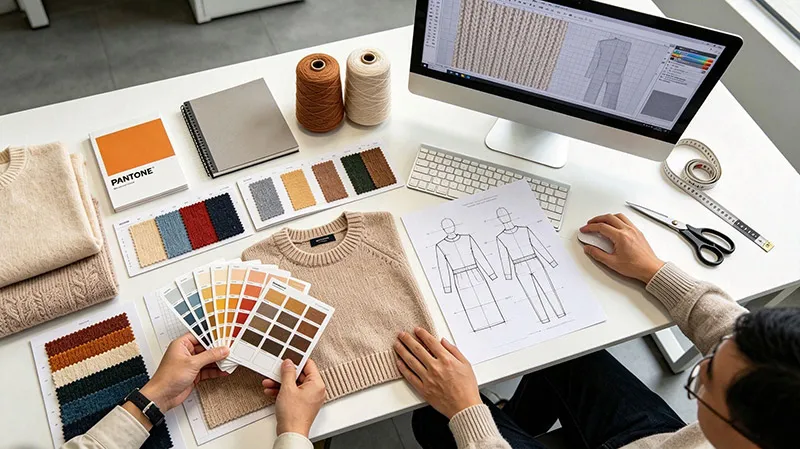
Leveraging the well-established manufacturing infrastructure of Guangzhou and the surrounding Dalang knitwear cluster, smart Australian buyers can capitalize on this "counter-seasonal capacity surplus" to secure supply chain advantages that are simply unavailable during the Northern peak season. At JM Sweater, during this specific window, clients effectively gain three strategic advantages:
- Priority R&D resource allocation: Senior pattern-makers, programmers, and technical staff have more bandwidth to deeply deconstruct complex designs and refine manufacturing processes, significantly reducing sample revision cycles.
- Flexible minimum order quantities: With open capacity, we can be more accommodating on order thresholds. This brings the real benefits of a low MOQ custom sweater manufacturer, allowing smaller and mid-sized brands to drastically reduce upfront inventory and financial risk.
- Accelerated sampling and production lead times: From yarn sourcing and sample knitting to finishing, waiting times are minimized. This streamlined pipeline delivers on the promise of fast lead time knitwear, ensuring bulk orders arrive in time for the Australian selling season.
By strategically coordinating production against the seasonal cycle, brands aren't just sourcing sweaters—they're essentially buying access to the factory's best development time at a lower cost.
How to Avoid Customs Seizures: Navigating ACCC Compliance & Labeling
In the entire garment export process, the most exquisite design and advanced craftsmanship count for nothing if products fail customs compliance in the destination market. For independent brands entering Australia, the ACCC's regulations on textile and apparel labeling are absolute. Compliance carries at least as much weight as design itself in the go-to-market process.
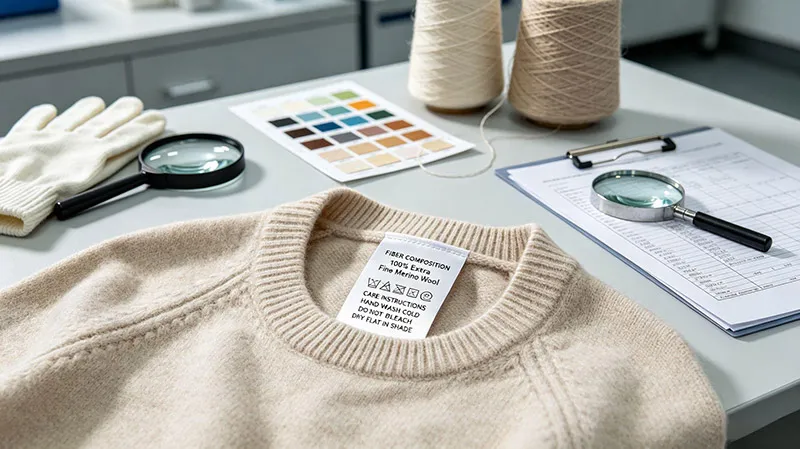
The primary compliance hurdle is the mandatory Care Labelling Information Standard enforced by the ACCC. At JM Sweater, every care label inside our private label garments is treated with precision—not a routine afterthought. Each compliant label must clearly and unambiguously state in English: maximum washing temperature, whether machine or hand washing is permitted, professional dry cleaning instructions, and warnings about tumbler drying. Missing a single core washing symbol or English directive can result in goods being detained at the border or subject to forced removal from sale.
Equally critical is the accuracy of fiber composition claims, particularly for the natural animal fibers highly favored in the Australian market—premium custom merino wool sweaters and cashmere. The challenge brands face in finding reliable suppliers stems from factories that don't rigorously control blend ratios on yarn batches. This leaves them vulnerable to independent Australian testing (by ITS, SGS, etc.) where mislabeled composition can trigger substantial fines and legal action for "false declared content."
To eliminate the fear of customs holds and local returns, as an experienced ACCC compliant clothing manufacturer, we've implemented rigorous yarn traceability and in-house testing protocols from the ground up. Every incoming raw material batch is sampled and tested, and finished bulk garments undergo composition verification before labeling. All declared information strictly aligns with Australian law. This quality control logic—blocking legal exposure within the factory—is what gives cross-border brands the confidence to build a long-term presence in the Australian market.
Frequently Asked Questions for Private Label Buyers
1. What is the typical Minimum Order Quantity (MOQ) for custom knitwear production?
By leveraging counter-cyclical production planning between November and March, we offer flexible low MOQ solutions designed to help independent and mid-sized Australian brands minimize inventory risk and upfront financial pressure.
2. How do you guarantee absolute compliance with ACCC labeling standards?
Every single batch undergoes strict yarn composition testing and pre-shipment quality control. Our care labels are verified in-house to strictly include all mandatory English care directions and washing symbols required by Australian regulations.
3. What is the standard lead time for sampling and bulk delivery?
During the counter-seasonal window, sample development typically takes 5 to 7 days. Bulk production lead times range from 25 to 35 days depending on yarn availability and design complexity, ensuring prompt arrival for the Australian retail season.
Building a Reliable Australian Knitwear Line: Your Next Step
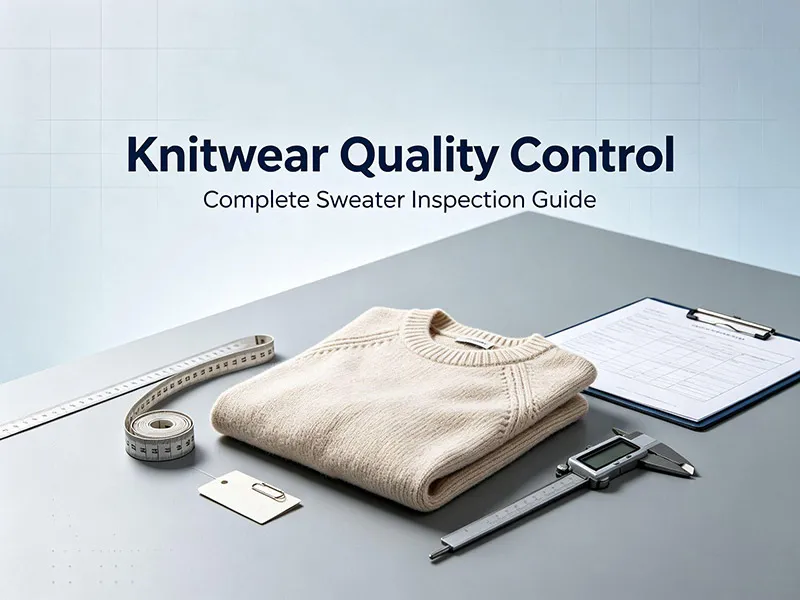
To summarize: for Australian fashion brands with a long-term vision, successful private label manufacturing isn't about the cheapest bulk pricing. It's built on precise gauge selection to match the right equipment, superior hand-linking craftsmanship, strategic counter-seasonal production planning, and 100% rigorous ACCC compliance. Any gap in these areas creates downstream costs and trust issues at the consumer level.
As an experienced manufacturer with deep industry roots, Guangzhou Jumma Garments (JM Sweater) brings solid Alibaba Gold Supplier credentials and a proven track record of OEM/ODM partnerships with mid-to-high-end global brands. Our focus is turning complex supply chain challenges into your core competitive advantage.
If you're planning your next knitwear collection for the Australian market, let a dedicated technical team handle the complexity. Contact JM Sweater's technical advisory team for a customized sampling schedule and exclusive process solutions—and start building a high-margin, reliable knitwear supply chain today.