Private Label Knitwear Manufacturing From Tech Pack to Bulk Production
Walk onto any knitwear factory floor, and you’ll quickly realize private label isn't just about stitching a brand logo onto a stock sweater or swapping out a hangtag. For apparel sourcing managers and brand developers, genuine custom knitwear is a strict engineering workflow—one that turns a flat design sketch or preliminary tech pack into a dimensionally stable, commercially viable sweater.
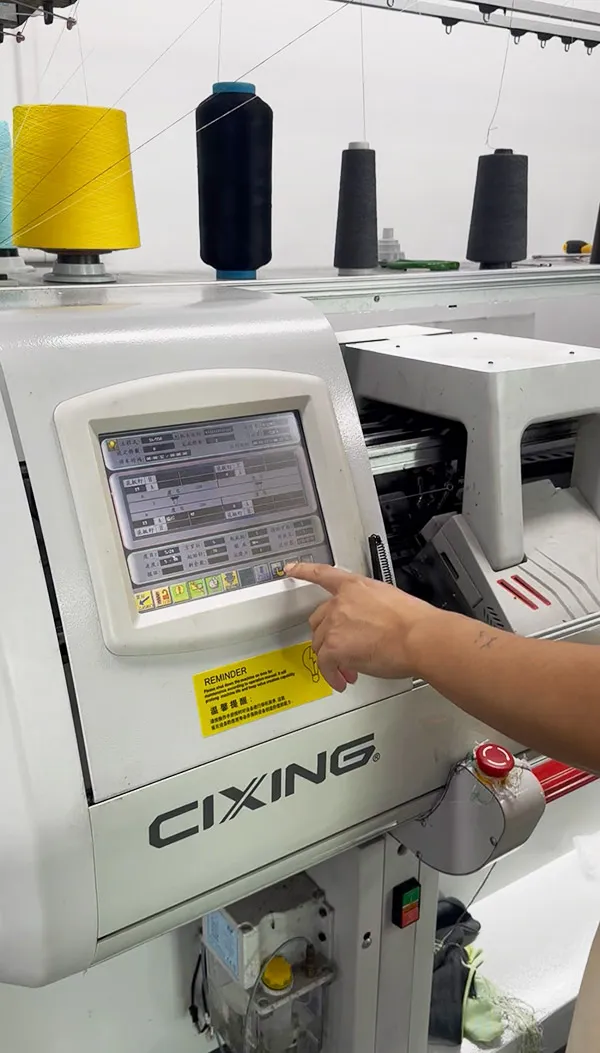
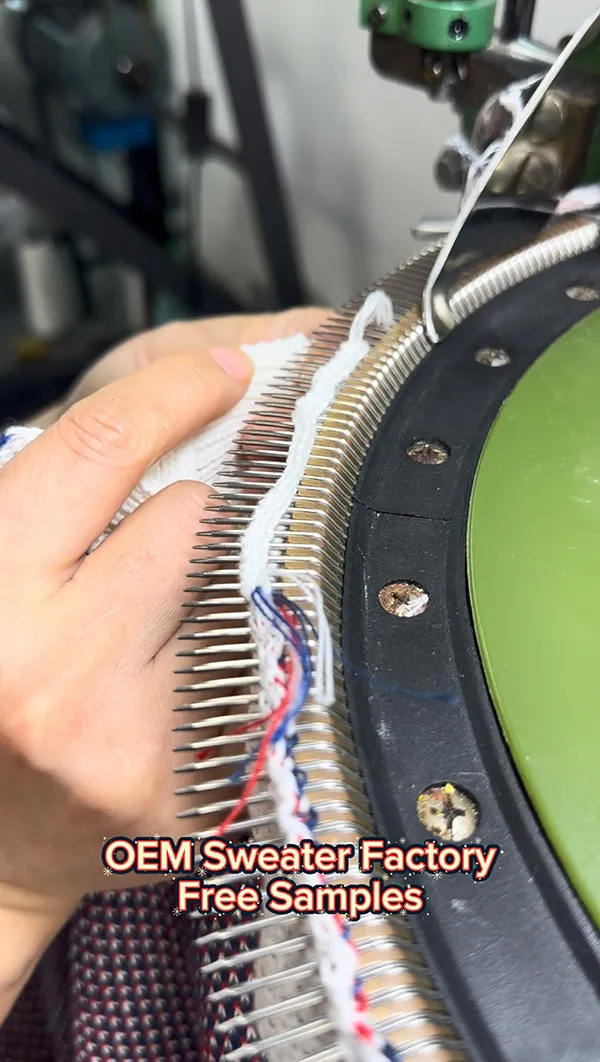
Knitwear doesn't work like woven or cut-and-sew garments. You aren't cutting flat cloth. On a flat-bed knitting machine, the fabric structure and the garment shape are built at the exact same second.
Yarn tension, loop density, linking dial gauge, wash finish, steam-blocking parameters—change one variable, and you change the entire garment’s hand feel, drape, and fit. Skip the engineering controls early on, and you’ll spend weeks chasing measurement drift, sampling delays, and bulk lot failures.
This SOP breaks down how we manage custom knitwear production from the shop floor up: from deconstructing tech packs and running pre-production shrinkage calculations to multi-stage quality checks and AQL 2.5 final audits.
What This SOP Covers
Phase 1: Why Cut-and-Sew Specs Fail on Flat-Bed Knitters (And What Your Tech Pack Actually Needs)
How we translate static design sketches and measurement specs into CAD-executable data for Stoll and Shima Seiki machines.
Phase 2: From CAD Code to Lap Dips: How Do We Lock Down Shrinkage Before Bulk?
The engineering behind proto sampling, lap dip shade approvals, and yarn shrinkage calculations before entering production.
Phase 3: The Golden Sample Checklist: What Must Be Locked Before Pressing 'Start'?
Our non-negotiable inspection protocols for labels, seam elasticity, hand feel, and POM tolerances to seal the PP sample.
Phase 4: Six Shop-Floor Checkpoints: How Bulk Orders Stay True to the Sealed Sample
A walk-through of our six core bulk operations—from automated knitting and circular linking to mending and steam boarding.
Phase 5: Zero-Defect Delivery: AQL 2.5 Audits, Pull Tests, and Needle Sweeps
Final compliance checks covering AQL 2.5 sampling, 70N fastener pull testing, 100% needle detection sweeps, and export packaging.
Why Cut-and-Sew Specs Fail on Flat-Bed Knitters (And What Your Tech Pack Actually Needs)
The tech pack is the bridge between design intent and factory execution. Here is the thing: a cut-and-sew tech pack does not work for knitwear. The factory has to translate it into logic that a flat-bed knitting machine can read.
From Paper to the Flat-Bed: What a Knitwear-Ready Tech Pack Must Contain
Because knitwear is an additive process—fabric and shape generated together—a usable knitwear tech pack needs four critical elements:
Knitwear-specific measurement spec with tolerances. Identify every point of measure (POM): body length, chest, armhole, neck width, and shoulder. Specify whether measurements are taken in a relaxed (natural lay-flat) state or under tension. For mid-gauge styles (7GG–12GG), standard tolerance is +/- 1.5 cm. Heavy-gauge (3GG–5GG) constructions require a wider +/- 2.0 cm allowance due to the bulkier yarn structure.
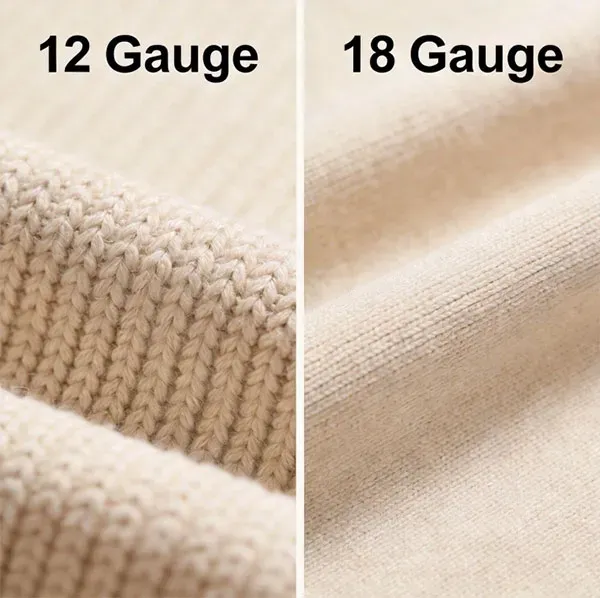
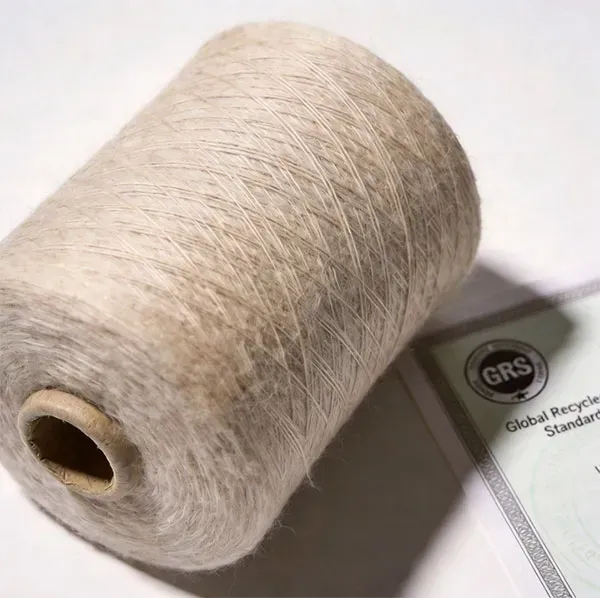
Gauge-to-yarn-count matching. The tech pack must clearly state the machine gauge (GG) and specify the correct yarn count.
Gauge-to-Yarn Count & Fabric Weight Matching Chart
Machine Gauge (GG)
Target Garment Weight
Recommended Yarn Count & Construction
Typical Apparel Applications
3GG – 5GG
(Heavy Gauge)
600g+
(Heavyweight)
Low-count thick yarn (e.g., 2/3NM–2/5NM), multi-ply chunky wool/acrylic
Heavyweight cable knits, chunky winter cardigans, oversized outerwear
7GG – 9GG
(Mid Gauge)
300g – 500g
(Midweight)
Medium-count yarn (e.g., 2/15NM–2/28NM), standard combed cotton/wool blends
Classic crewnecks, textured jacquards, all-season pullover sweaters
12GG – 14GG
(Fine Gauge)
150g – 250g
(Lightweight)
High-count fine yarn (e.g., 2/30NM–2/48NM), extra-fine merino/cashmere
Spring/summer layering pieces, fine-knit polo shirts, lightweight undershirts
16GG – 18GG
(Ultra-Fine Gauge)
100g – 180g
(Ultra-Light)
Superfine luxury yarn (e.g., 2/60NM+), silk/cashmere high-gauge blends
Premium base layers, body-mapping fine knits, high-end luxury fashion
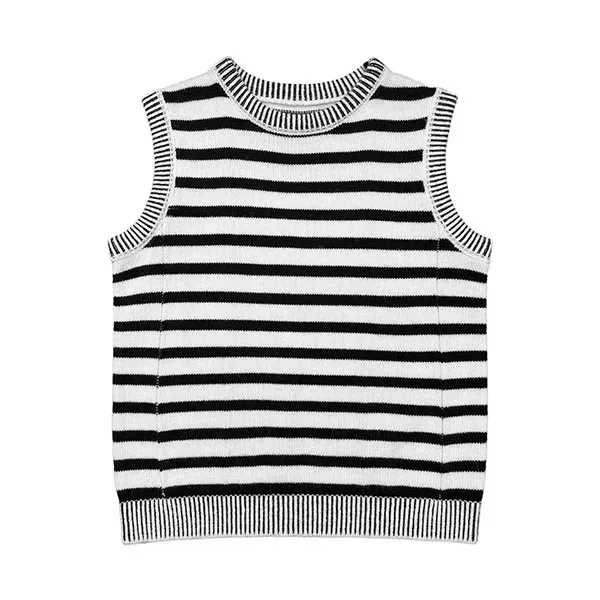
Stitch and construction diagrams. The tech pack needs to show the stitch allocation across the garment: plain jersey for the body, rib for cuffs and hem, jacquard or intarsia for the front panel. It must specify the fully fashioned shaping lines at the armhole and neck—how the machine decreases stitches to follow the body contour. And it must designate the joining method: circular dial linking produces a flat, elastic seam.
Trim placement and tension specifications. Mark the exact distance from the edge for the main label and care label. For lightweight fine-gauge knits, specify single-thread hand tacking rather than machine stitching to prevent pull-through. For button plackets and zippers, include tension estimates—washing can turn a straight zipper into a wavy mess if the trim hasn't been engineered for shrinkage.
The tech pack is the sole reference for the knitting program. Get the parameters right at this stage, and you cut sampling iterations dramatically. Get them wrong, and you will be chasing problems all the way to bulk.
From CAD Code to Lap Dips: How Do We Lock Down Shrinkage Before Bulk?
Once the drawings are signed off, the project moves into sampling and engineering calibration. This phase is about one thing: using physical samples to validate—and correct—every theoretical parameter. You catch design risk here, not in production.
From Code to Lap Dip: How Sampling Locks in the Final Product
Sampling a sweater is not "knit one and see how it looks." It is a systematic process involving programming, dyeing, and physical testing:
CAD programming and the proto sample. The factory programmer converts the tech pack into machine code for a Stoll or Shima Seiki flat-bed knitter. The first proto sample is a fit and construction check—proportion, silhouette, stitch execution.
Lap dips and shade control. If the order calls for custom-dyed yarn, the factory submits 3–4 shade options for brand approval. Production dye lots will never match perfectly—that is lot-to-lot variation. You lock the standard shade and set an acceptable grey scale rating (minimum 4 out of 5).
Shrinkage testing and dynamic calculation. Knitted fabric moves. It shrinks in washing, drying, and steam pressing. The engineer runs a shrinkage test on a swatch—typically 3% to 8% depending on the fiber. That number feeds back into the CAD program: you knit the panels oversized so that after washing and boarding, the finished garment lands exactly on the spec.
Sampling is where the real engineering happens. Get the yarn shrinkage calculation and the program tweaks right here, and the pre-production sample and bulk run on a stable, reliable industrial baseline.
The Golden Sample Checklist: What Must Be Locked Before Pressing 'Start'?
The PP sample is the last physical checkpoint before bulk production starts. This is not a "looks good" exercise. It is the gold standard—built with production yarn, production trims, and production line processes—and it locks the technical baseline for everything that follows.
Before the Machines Run: How the PP Sample Locks Quality and Detail
Approving a PP sample requires a structured checklist. Visual inspection alone does not cut it:
Brand and compliance labels. Verify placement and attachment method for the main label, size label, and care label. For fine-gauge styles, confirm whether the care label is hand-tacked to avoid show-through. Scrutinize the fiber content declaration (e.g., "100% Merino Wool"), care symbols, and country of origin—these must comply with the destination market's regulations.
Linking and workmanship. Check the linking seam for stitch density and stretch. The seam should lie flat with no bulk. Inspect the neckline, armholes, and side seams for dropped stitches, popped threads, or skipped stitches.
Hand feel and finishing. Confirm that the washed hand feel matches the target softness. Check for excessive softener residue, surface pilling, or off-odors. The bulk production hand feel must replicate the PP sample exactly.
Measurement spec lock. Measure every critical POM point in a relaxed lay-flat state—body length, chest, shoulder, sleeve length. Tolerances must be within the agreed range (e.g., +/- 1.5 cm). Once confirmed, the PP sample is sealed and becomes the sole QC reference for the entire production run.
Once the buyer signs off on the PP sample, those parameters and the sealed sample carry legal and commercial weight. No production detail changes without written authorization from both sides.
Six Shop-Floor Checkpoints: How Bulk Orders Stay True to the Sealed Sample
With the PP sample locked, the order moves into bulk production. Knitwear manufacturing is not "push a button and ship." It is a multi-step production line with tight process controls at every station.
From Cone to Finished Garment: How Bulk Production Stays on Spec
To ensure that hundreds or thousands of units match the sealed sample, the factory establishes critical control points (CCPs) across six core operations:
Flat-bed knitting. The knitting machines run the locked CAD program. Technicians perform regular spot checks on stitch density and panel weight. Yarn tension drifts during production—catch it early, or you get panel-to-panel size variation and shade variation across the batch.
Circular dial linking. The knitted body panels, sleeves, and neckline are joined on a linking machine. The linking machine gauge must match the knitting machine gauge exactly—a 12GG sweater gets linked on a 12GG dial. The seam must be flat, elastic, and completely free of dropped stitches.
Manual stitch mending and inspection. This is knitwear-specific quality control. Experienced menders work at illuminated inspection tables, checking every garment for knitting defects—dropped stitches, broken yarn, knots—and repairing them by hand. You cannot automate this.
Washing and shrinkage control. The garments go through a wet wash cycle with time, temperature, and chemistry precisely controlled to the fiber type (wool, cashmere, cotton blends). This step delivers the target hand feel and stabilizes the shrinkage.
Steam boarding blocking. Each garment is mounted on a standard metal or wooden form and hit with high-pressure steam. This sets the final dimensions and silhouette. No steaming, no dimensional stability.
Hand ironing and final check. Professional steam irons remove any remaining creases. Every garment is re-measured at the key POM points before it moves to QC.
Standardized process control eliminates operator variation and environmental drift. That is how you deliver a bulk order that matches the sealed sample—piece after piece.
Zero-Defect Delivery: AQL 2.5 Audits, Pull Tests, and Needle Sweeps
Finished and ironed garments do not go straight into cartons. An export-ready factory runs every order through internationally recognized quality and safety protocols. The goal: zero defects, zero risks by the time the container lands at the buyer's warehouse.
Before the Cartons Close: Final QC and Export Compliance
Four mandatory checks before anything goes into a polybag:
AQL 2.5 apparel inspection. Final inspection follows the ANSI/ASQ Z1.4 standard at AQL 2.5, Inspection Level II. The inspection distinguishes critical defects (holes, stains, severe shade variation) from minor defects (loose threads, minor measurement deviations). The reject rate must stay below the statistical threshold.
Tensile and safety testing. For styles with buttons, zippers, badges, or drawcords (especially children's wear), every fastener is pull-tested—typically 70 Newtons for 10 seconds minimum. Fail this, and you are looking at a safety recall or a customs rejection.
100% needle detector sweep. Broken needles are a serious safety hazard in knitwear production. Every finished garment passes through a conveyor-belt needle detector before folding and bagging. Sensitivity is typically set to detect Fe 0.8mm–1.0mm steel ball equivalents. No exceptions.
Export packaging specification. Each garment is polybagged with the required warning labels. Moisture-absorbing desiccants are added where specified. Cartons are packed to the buyer's size ratio and carton mark specifications, with barcodes clearly visible. For Amazon FBA or brand distribution center compliance, the carton labeling must be automation-ready.
QC and packaging are the factory's final handshake with the buyer. Standardized data-driven inspection and rigorous safety protocols are what get the product through international logistics and onto the retail floor in saleable condition.
Conclusion & Buyer's Checklist
Turning a knitwear design concept into a production-ready bulk order is an exercise in precision engineering. From tech pack deconstruction and shrinkage calculation through PP sample lock-in, six-stage bulk production controls, and AQL 2.5 final inspection—every step either builds quality or introduces risk.
Pre-order checklist for sourcing managers:
Inquiry and tech pack stage:
□ Are all POM points clearly identified with realistic tolerances (e.g., +/- 1.5 cm for 7GG–12GG)?
□ Is the machine gauge matched to the yarn count for the intended hand feel and season?
□ Does the spec sheet specify whether measurements are taken in a relaxed or stretched state?
Sampling and evaluation stage:
□ Has shrinkage been tested and the CAD program adjusted accordingly?
□ Have lap dips been submitted and a shade tolerance (minimum grey scale 4) been locked?
□ Is the sample joined by circular dial linking for a flat, elastic seam?
Pre-production and bulk stage:
□ Do the main label, size label, and care label on the PP sample fully comply with destination-market regulations?
□ Have zippers and button plackets been tension-tested for wash stability?
□ Is the AQL 2.5 inspection standard confirmed? Is the needle detector sensitivity (Fe 0.8mm–1.0mm) specified?
□ Have carton marks, barcodes, polybag warnings, and size ratios been confirmed in writing?
Quality knitwear is not accidental. It is the product of disciplined standards and professional process control. At Guangzhou Junma Apparel (JM Sweater), this SOP is how we run our shop floor every single day. With aligned standards, transparent communication, and strict process control, we ensure your seasonal collections land on time and on spec—every single order.
/* ==========================================================================
B2B Industrial Luxury Theme - Knitwear SOP
========================================================================== */
/* Color Palette Variables */
:root {
--primary-navy: #0f1c2e; /* 权威深蓝 */
--secondary-navy: #1e2d42; /* 卡片/侧栏深蓝 */
--accent-gold: #c5a059; /* 工业精工金 */
--accent-red: #0055aa; /* SEO 关键词高亮红 */
--text-primary: #2d3748; /* 舒适高质感正文黑 */
--text-muted: #64748b; /* 灰调辅助文字 */
--bg-main: #f8fafc; /* 优雅暖浅灰底色 */
--card-bg: #ffffff; /* 白色卡片底 */
--border-color: #e2e8f0; /* 细腻分割线 */
--table-header-bg: #1e2d42; /* 表头深色 */
--font-heading: -apple-system, BlinkMacSystemFont, "Segoe UI", Roboto, "Helvetica Neue", Arial, sans-serif;
--font-body: -apple-system, BlinkMacSystemFont, "Segoe UI", Roboto, Georgia, serif;
}
/* CSS Reset & Global Layout */
*, *::before, *::after {
box-sizing: border-box;
margin: 0;
padding: 0;
}
html {
scroll-behavior: smooth;
background-color: var(--bg-main);
font-size: 16px;
}
body {
font-family: var(--font-body);
color: var(--text-primary);
line-height: 1.75;
padding: 40px 20px;
-webkit-font-smoothing: antialiased;
}
.article-container {
max-width: 1180px;
margin: 0 auto;
background: var(--card-bg);
padding: 60px 80px;
border-radius: 8px;
box-shadow: 0 10px 30px rgba(15, 28, 46, 0.05);
border: 1px solid var(--border-color);
}
/* SEO Keyword Styling (Red Highlight) Requirement */
.seo-keyword {
color: var(--accent-red);
font-weight: 600;
}
/* Header Section */
.article-header {
border-bottom: 2px solid var(--primary-navy);
padding-bottom: 30px;
margin-bottom: 40px;
}
.article-title {
font-family: var(--font-heading);
font-size: 2.25rem;
font-weight: 800;
color: var(--primary-navy);
line-height: 1.3;
margin-bottom: 20px;
letter-spacing: -0.5px;
}
.article-lead {
font-size: 1.125rem;
font-weight: 500;
color: #1a202c;
margin-bottom: 16px;
}
.article-header p {
margin-bottom: 16px;
}
/* Table of Contents / Outline Section */
.sop-toc-card {
background-color: #f1f5f9;
border-left: 5px solid var(--accent-gold);
border-radius: 4px;
padding: 30px;
margin-bottom: 50px;
}
.toc-title {
font-family: var(--font-heading);
font-size: 1.35rem;
color: var(--primary-navy);
margin-bottom: 20px;
text-transform: uppercase;
letter-spacing: 0.5px;
font-weight: 700;
}
.toc-list {
list-style: none;
}
.toc-item {
margin-bottom: 20px;
}
.toc-item:last-child {
margin-bottom: 0;
}
.toc-link {
text-decoration: none;
display: inline-block;
margin-bottom: 4px;
}
.toc-phase-title {
font-family: var(--font-heading);
font-size: 1.05rem;
font-weight: 700;
color: var(--primary-navy);
transition: color 0.2s ease;
}
.toc-link:hover .toc-phase-title {
color: var(--accent-gold);
text-decoration: underline;
}
.toc-desc {
font-size: 0.95rem;
color: var(--text-muted);
line-height: 1.5;
padding-left: 12px;
border-left: 2px solid #cbd5e1;
}
/* Main Body Headings */
.phase-block {
margin-bottom: 55px;
padding-top: 10px; /* Helps anchor offset */
}
.phase-heading {
font-family: var(--font-heading);
font-size: 1.5rem;
font-weight: 700;
color: var(--primary-navy);
border-bottom: 1px solid var(--border-color);
padding-bottom: 12px;
margin-bottom: 20px;
line-height: 1.35;
}
.section-subheading, .section-heading {
font-family: var(--font-heading);
font-size: 1.2rem;
font-weight: 600;
color: var(--secondary-navy);
margin: 25px 0 15px 0;
}
.article-body p {
margin-bottom: 18px;
}
/* Structured Lists Framework */
.content-list {
margin: 20px 0 25px 0;
padding-left: 24px;
}
.content-list li {
margin-bottom: 16px;
line-height: 1.7;
}
.content-list li strong {
color: var(--primary-navy);
}
/* Featured Snippet Optimized Data Table Styling */
.table-wrapper {
overflow-x: auto;
margin: 25px 0;
border-radius: 6px;
border: 1px solid var(--border-color);
}
.data-table {
width: 100%;
border-collapse: collapse;
text-align: left;
font-size: 0.92rem;
background-color: #ffffff;
}
.data-table caption {
caption-side: top;
font-family: var(--font-heading);
font-weight: 700;
text-align: left;
padding: 12px 16px;
background-color: #f8fafc;
color: var(--primary-navy);
border-bottom: 2px solid var(--border-color);
font-size: 1rem;
}
.data-table th {
background-color: var(--table-header-bg);
color: #ffffff;
font-family: var(--font-heading);
font-weight: 600;
padding: 14px 16px;
vertical-align: middle;
}
.data-table td {
padding: 14px 16px;
border-bottom: 1px solid var(--border-color);
vertical-align: top;
line-height: 1.5;
}
.data-table tbody tr:nth-child(even) {
background-color: #f8fafc;
}
.data-table tbody tr:hover {
background-color: #f1f5f9;
}
.table-subtext {
font-size: 0.8rem;
color: var(--text-muted);
font-weight: normal;
}
/* Conclusion & Interactive Checklist Area */
.conclusion-block {
background-color: #f8fafc;
border: 1px solid var(--border-color);
border-radius: 6px;
padding: 35px;
margin-top: 50px;
}
.checklist-title {
font-family: var(--font-heading);
font-size: 1.15rem;
color: var(--primary-navy);
margin: 20px 0 15px 0;
text-transform: uppercase;
letter-spacing: 0.5px;
}
.checklist-group {
margin-bottom: 20px;
}
.checklist-subgroup-title {
font-family: var(--font-heading);
font-size: 1rem;
color: var(--secondary-navy);
margin-bottom: 10px;
}
.checklist-items {
list-style: none;
padding-left: 0;
}
.checklist-items li {
position: relative;
padding-left: 28px;
margin-bottom: 8px;
font-size: 0.95rem;
}
.checkbox-icon {
position: absolute;
left: 0;
top: 0;
font-weight: bold;
color: var(--accent-gold);
}
.final-remark {
margin-top: 25px;
font-style: italic;
font-weight: 500;
border-top: 1px solid var(--border-color);
padding-top: 15px;
color: var(--primary-navy);
}
/* Responsive Scaling for Mobile Screens */
@media (max-width: 768px) {
body {
padding: 10px;
}
.article-container {
padding: 30px 20px;
}
.article-title {
font-size: 1.75rem;
}
.phase-heading {
font-size: 1.25rem;
}
.sop-toc-card {
padding: 20px;
}
.data-table th, .data-table td {
padding: 10px;
}
}