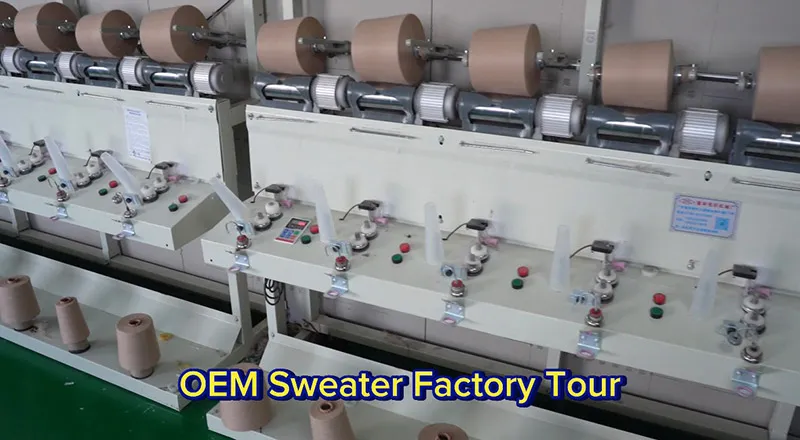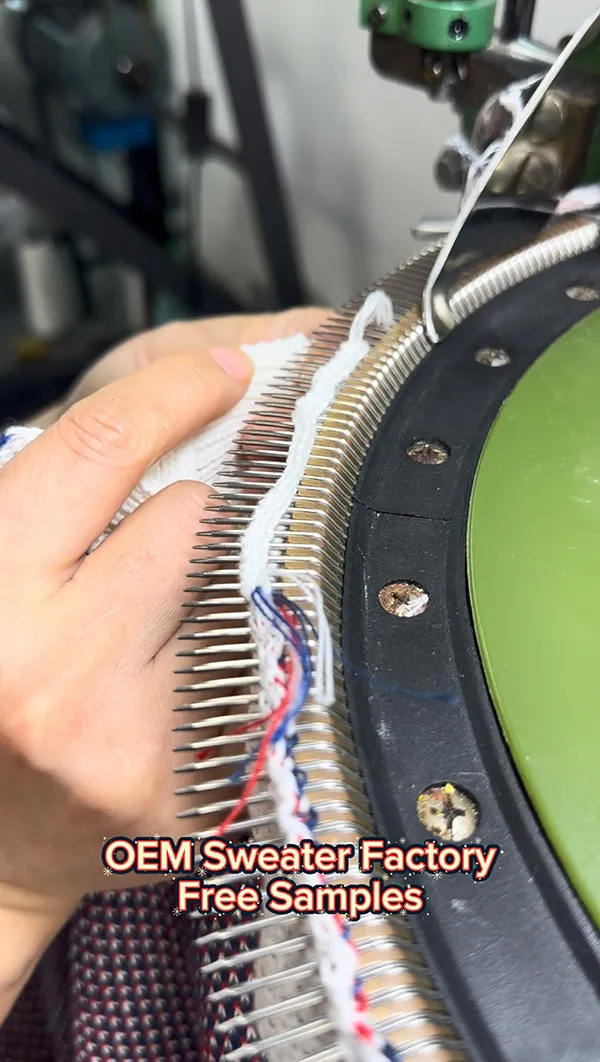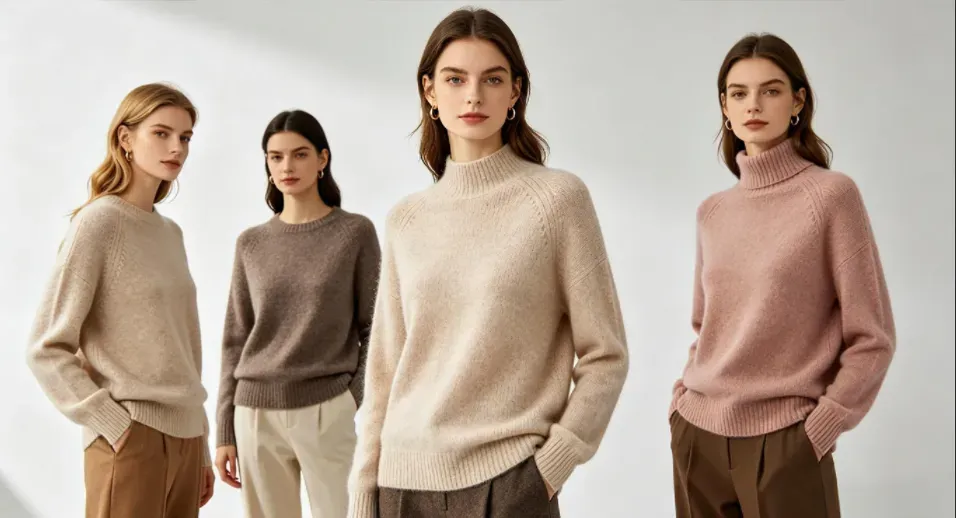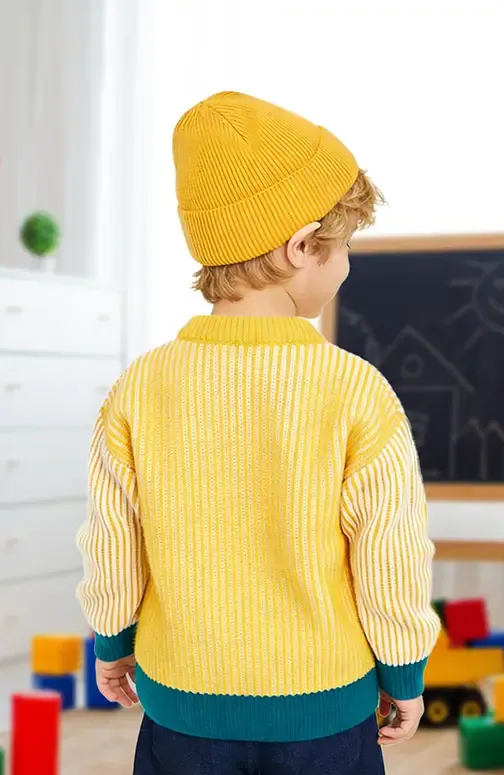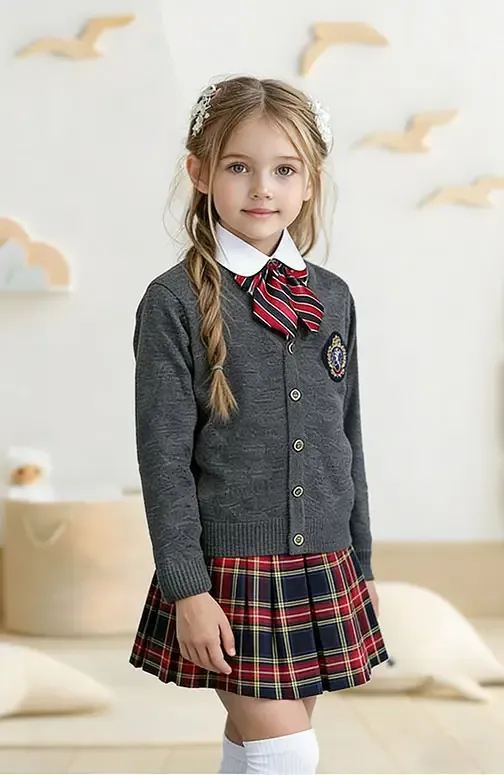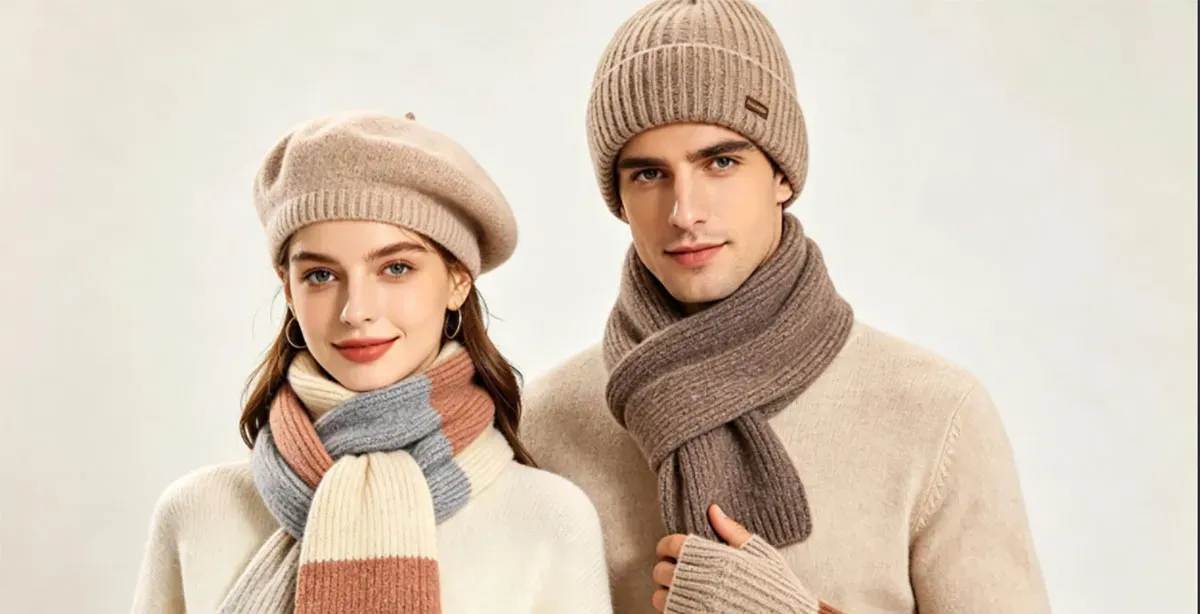

Let’s be honest—running a knitwear brand in Australia means you’re operating under one of the toughest consumer protection regimes in the world. The ACCC doesn’t mess around. From fibre declarations that have to be spot‑on,to care labels that must survive repeated washes, to kids’ jumpers that can’t have a single loose button—every detail is scrutinised under the Australian Consumer Law.
And if something slips through? You’re looking at customs holds, forced recalls, fines that hurt, and a reputation that takes years to rebuild. That’s why partnering with a knitwear manufacturer that actually lives and breathes ACCC compliance isn’t just a nice‑to‑have—it’s the single most important decision for your supply chain security.
How to Get Care Labelling Right Under the Latest ACCC Rules?
I can’t tell you how many times I’ve seen a beautifully made sweater get stuck at the border simply because of a care label that didn’t cut it. The garment feels great, the drape is perfect, but the label fails—and suddenly the whole consignment is in limbo. The problem usually boils down to overseas suppliers lagging behind the ACCC’s updated labelling rules.
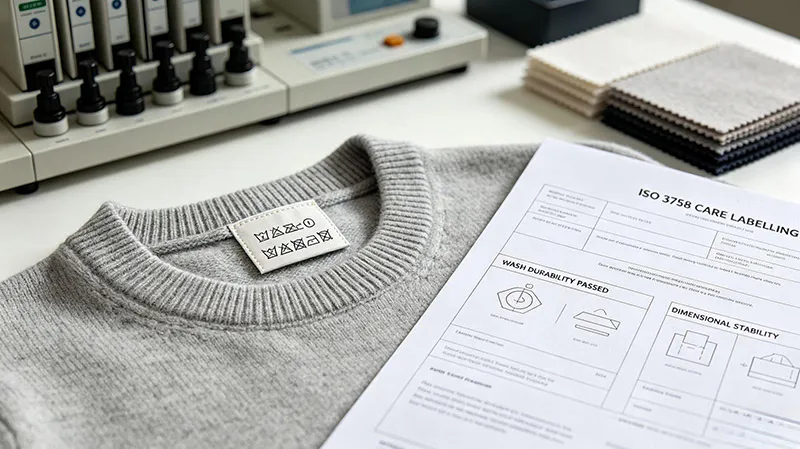
Here’s the good news: the current Consumer Goods (Care Labelling) Information Standard 2023 provides much more flexibility than before. Brands can now choose between English text, the ISO 3758:2012 symbols, or a mix of both. That’s a major relief for teams struggling with rigid legacy formats.
However, flexibility on content does not mean a compromise on durability. Under real‑world conditions—multiple home-laundering cycles, abrasion, and marine-environment exposure—substandard labels will curl, fade, or peel off. Under ACCC enforcement, a degraded or missing label is treated as non‑compliant, plain and simple.
To eliminate this risk completely at the production level, strict quality control protocols are applied to every batch:
- High-durability label selection: Utilizing high-density woven label substrates and heat-resistant eco-friendly inks designed to withstand repeated washing and friction testing.
- Precision shrinkage testing: Conducting rigorous pre-production shrinkage testing across diverse yarn counts—whether merino, cotton blends, or recycled fibres—ensuring washing and drying instructions match actual fabric performance.
- Engineered label attachment: Securing care labels permanently into the side seam or under-collar position using reinforced stitching to ensure legibility through ocean freight and long-term wear.
Brand risks from wool label errors (origin & composition)
Here’s a scenario that happens far too often: a brand labels a standard wool blend as “Merino” to chase higher margins, assuming no one will notice. Big mistake. Australian consumers know their fibres intimately—they feel the difference the moment a garment is touched. When the ACCC pulls random market samples for laboratory testing, a misdeclaration triggers an immediate false trade description investigation. The financial penalties are steep, stock gets pulled, and brand credibility takes a nosedive.
A zero‑tolerance framework is the only way to insulate a brand from this exposure. Sourcing transparency requires:
- Third-party laboratory verification: Every incoming yarn lot must be accompanied by composition analysis reports from internationally accredited labs like SGS or ITS, verifying micron counts, cashmere content, and blend ratios against Australian Customs standards.
- Full-chain traceability: For GRS-certified recycled fibres, complete Transaction Certificates (TCs) and verifiable supply chain evidence must accompany the materials, proving every kilogram delivers exactly what is promised.
- Accurate country of origin labelling: Through rigorous production scheduling and multi-stage inspection protocols, country-of-origin markings (such as "Made in China") and fibre tags are correctly and permanently affixed.
What Are the Hidden Safety Traps in Children's Knitwear?
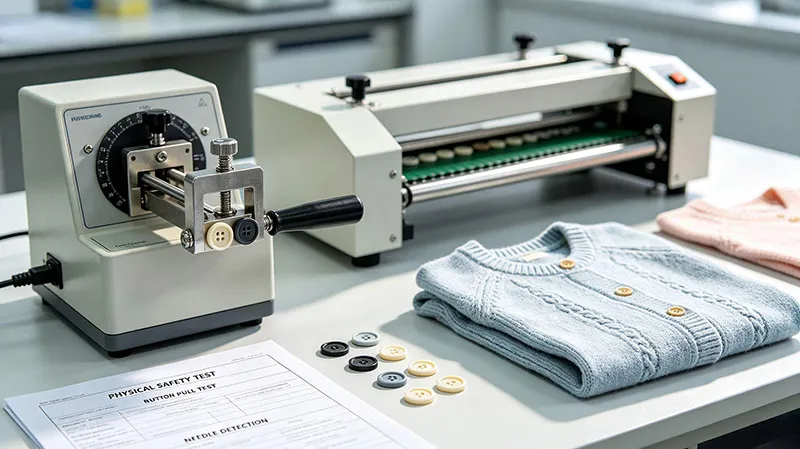
When shifting focus from adult sweaters to children’s knitwear, the compliance bar rises exponentially. A common question from brands is: “Why are those tiny buttons such a critical issue?” The answer is straightforward—they present a severe choking hazard if poorly secured. Furthermore, a broken needle fragment hidden within the yarn structure introduces a dangerous puncture risk. The ACCC and Australian safety standards enforce these thresholds strictly.
To build physical safety seamlessly into children's apparel, manufacturing facilities must execute non-negotiable safeguards:
- Rigorous pull-force testing: Buttons, toggle fastenings, and metal snaps on every batch of children's knitwear are subjected to professional tensile strength testing—targeting 70N to 90N to ensure trims remain securely anchored.
- 100% conveyor-belt needle detection: All finished children's garments pass through high-sensitivity automated needle detectors to eliminate any risk of metallic foreign-body contamination.
- Drawstring and structural compliance: Proactive evaluation of drawstring and hood cord lengths at the design stage eliminates potential entanglement and strangulation hazards before mass production begins.
How Do We Protect Your Knitwear from Toxic Chemical Risks?
Every apparel brand fears the nightmare scenario: a commercial shipment arrives, retail customers complain about chemical odours or skin irritation, and subsequent ACCC testing reveals prohibited AZO dyes or formaldehyde exceeding legal limits. Suddenly, an entire container is impounded or destroyed, making headlines for all the wrong reasons. This is an entirely preventable risk rooted in upstream dyehouse management.
Absolute chemical safety demands strict supply chain governance:
- Certified eco-dyehouse partnerships: Partnering exclusively with bulk dyeing facilities holding recognised OEKO-TEX Standard 100 certification ensures carcinogenic AZO dyes and restricted chemical auxiliaries are completely banned.
- Pre-bulk dyeing screening: Conducting comprehensive pre-production testing on pH levels, perspiration fastness, rubbing fastness, and restricted substance screening prior to bulk dye-house processing.
- Skin-contact safety assurance: Utilizing multi-stage washing and eco-friendly fixation treatments guarantees that finished knitwear delivered to Australia contains zero hazardous residues, ready for any random regulatory spot check.
How Aussie brands efficiently screen knitwear manufacturers that truly know ACCC rules.
Sifting through dozens of overseas supplier pitches can be overwhelming. To separate genuine technical experts from empty marketing promises, Australian brands should evaluate potential partners using a structured framework.
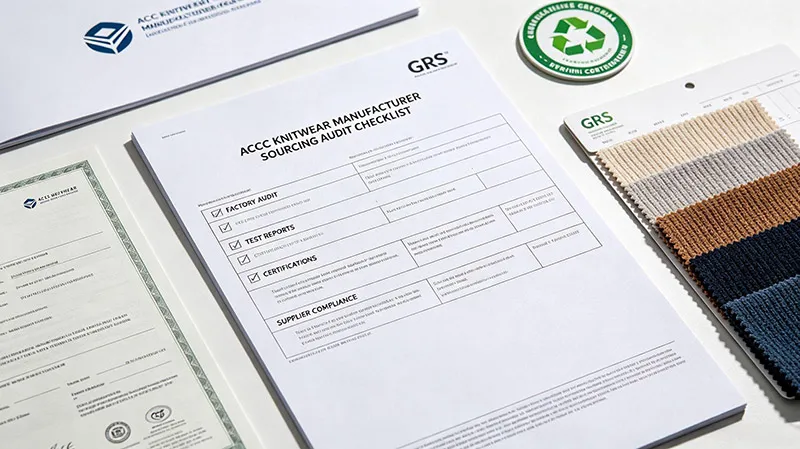
The ACCC Knitwear Sourcing Checklist provides an objective standard for vendor auditing:
- Labelling expertise: Can the manufacturer demonstrate mastery of current ACCC care labelling rules and prove the structural durability of their label attachment?
- Raw material traceability: Do they readily provide independent laboratory reports (SGS/ITS) and GRS Transaction Certificates for premium or recycled fibres?
- Physical safety hardware: Are button pull-testers operated on-site, and is 100% automated needle detection implemented for every order?
- Chemical compliance: Do upstream dyeing partners hold valid OEKO-TEX Standard 100 certifications with verifiable pre-bulk screening records?
When a supplier answers these requirements with transparent documentation, you have found a reliable manufacturing foundation. Compliance should never be treated as an afterthought; it must be engineered directly into every machine setting, quality checkpoint, and outgoing shipment.
ACCC Knitwear Manufacturer Sourcing Audit Checklist
| Audit Category | Key Compliance Requirements | Supplier Must‑Provide Evidence | Pass / Fail |
|---|---|---|---|
| Care Label Compliance |
• Follow the ACCC Consumer Goods (Care Labelling) Information Standard 2023 • Use ISO 3758 symbols, English text, or a combination of both • Label must withstand repeated home laundering — no curling, fading, or peeling |
• Woven care-label sample • Label wash-durability / abrasion test record • Compliant label layout draft (symbols & text) |
- |
| Fibre & Country-of-Origin Traceability |
• Accurate fibre content declaration (Merino, cashmere, blend ratios) • Correct "Made in China" / country-of-origin marking • GRS-certified recycled fibres backed by complete Transaction Certificates (TCs) |
• Third-party lab composition report (SGS / ITS) • GRS Transaction Certificate & supply-chain evidence • Inspection record of origin/fibre tags on finished garments |
- |
| Children's Knitwear Physical Safety |
• Buttons, toggles & metal snaps pass 70N–90N pull-force testing • 100% full-batch conveyor-belt needle detection • Hood/drawstring length meets Australian safety rules to prevent strangulation |
• Pull-force test report for trims • Needle-detector operation & pass log • Design-stage safety / drawstring risk assessment document |
- |
| Chemical & Dyehouse Compliance |
• Upstream dyehouse holds OEKO-TEX Standard 100 certification • Free from AZO dyes, excess formaldehyde & heavy metals • Pre-bulk dyeing screening on pH, fastness & restricted substances |
• Valid OEKO-TEX Standard 100 certificate • Restricted-substance / AZO / formaldehyde test report • Pre-production lab screening record |
- |
Conclusion & Next Steps
At the end of the day, launching a successful knitwear line requires more than a factory that can execute a clean stitch. It requires a manufacturing partner who comprehends complex regulatory landscapes and actively safeguards your brand equity from preventable cross-border pitfalls. With extensive experience exporting compliant knitwear to Australia, our operations are purposefully structured around regulatory rigor.
If you are expanding your footprint in the Australian market—or looking to de‑risk an existing supply chain—reach out to discuss your upcoming collection. Send over your design specifications and development briefs to receive a no‑obligation compliance review and a tailored production plan. Let’s build secure, high-performing knitwear together.