
But step into humidity—a trail, hot yoga, or a July music festival—and that cozy cotton becomes a sweat-soaked sponge. Heavy, clingy, and guaranteed to leave you with a clammy chill, even in 85°F heat. That’s the “comfort trap” brands miss.
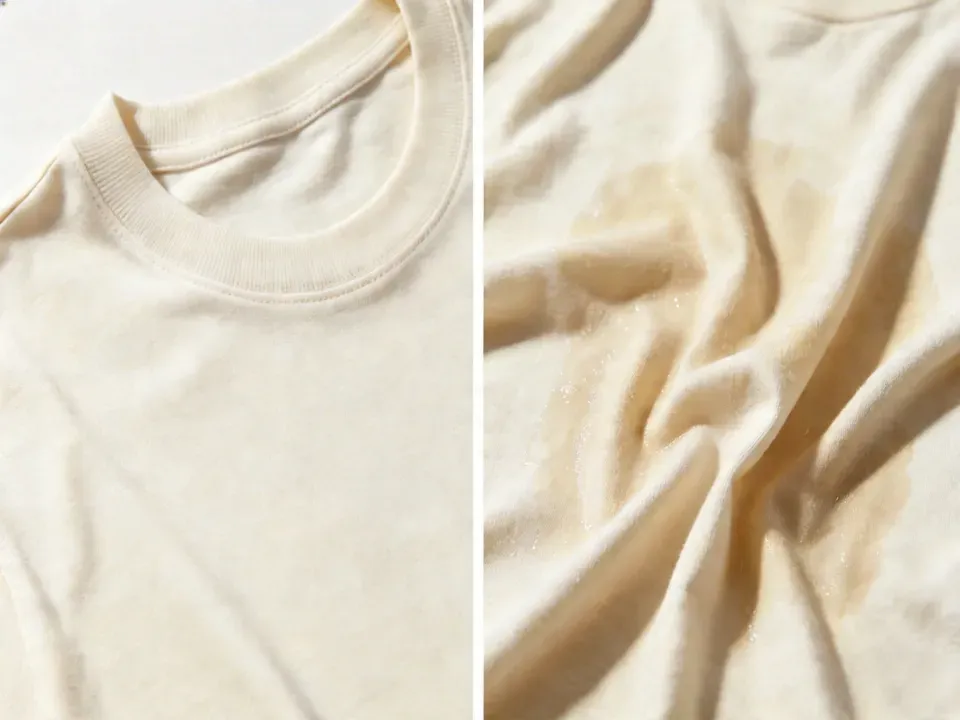
Cotton soaks up 20x its weight in moisture, but can’t push sweat out. It stays wet, sticks to your skin, and defeats the point of a “summer shirt.” I once helped a small outdoor brand fix their failed cotton hiking tees by switching to a linen-cotton blend—same look, way better performance. You’d be shocked how much a simple blend changes things.
Cotton isn’t evil, just misunderstood. The key is matching fabric to use case. Too many brands treat it as one-size-fits-all, and it backfires.
Why cotton fails (quick science):
Cotton fibers love water (hydrophilic). When their inner core (lumen) swells with sweat, it closes air channels—no evaporation. Your body sweats to cool down, but the fabric traps moisture, creating a mini sauna against your skin. Not ideal for active or humid days.
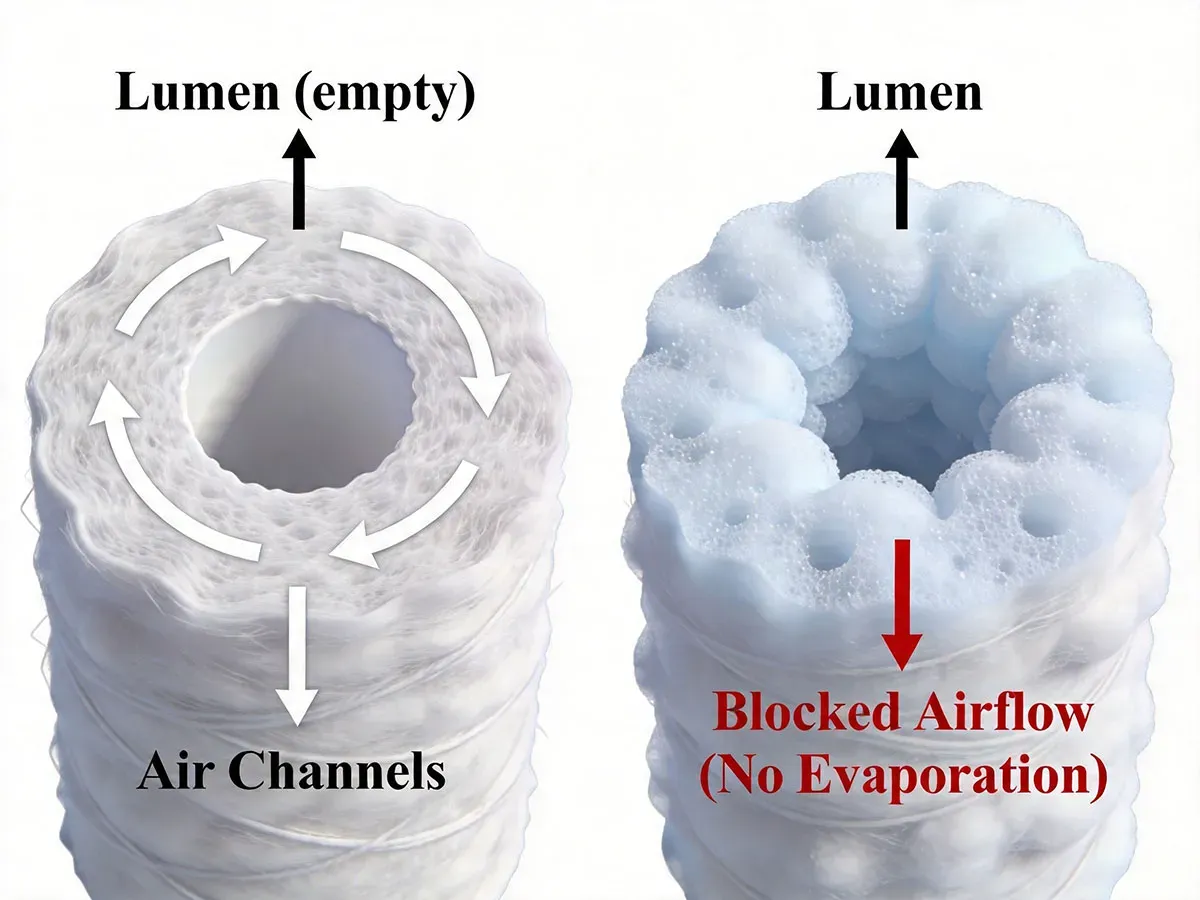
Cotton fibers love water (hydrophilic). When their inner core (lumen) swells with sweat, it closes air channels—no evaporation. Your body sweats to cool down, but the fabric traps moisture, creating a mini sauna against your skin. Not ideal for active or humid days.
The Three That Actually Work
Cotton’s fine for dry, low-effort days—but not for heat and sweat. Let’s cut to the chase: here are three fabrics that actually work, plus the unspoken flaws.
Linen/Cotton Blends: The sweet spot. Keeps cotton’s softness, adds linen’s airflow and thermal conductivity—no cling. Heads-up: More linen = more wrinkles (great for resorts, bad for boardrooms). Clients still ask for “wrinkle-free linen”—good luck.
Mercerized Cotton: Cool to the touch, with a subtle sheen, better evaporation, and crisp feel. But it’s pricier, and dyeing needs care (test colorfastness for dark shades—brands skip this and get faded inventory).
Tencel/Modal: Wood-pulp fibers with instant coolness and fast moisture-wicking. Hard to beat for drape and dryness. Catch: Low-weight Tencel pills after washes. Fix: Blend with cotton/polyester, wash cold inside out on gentle.
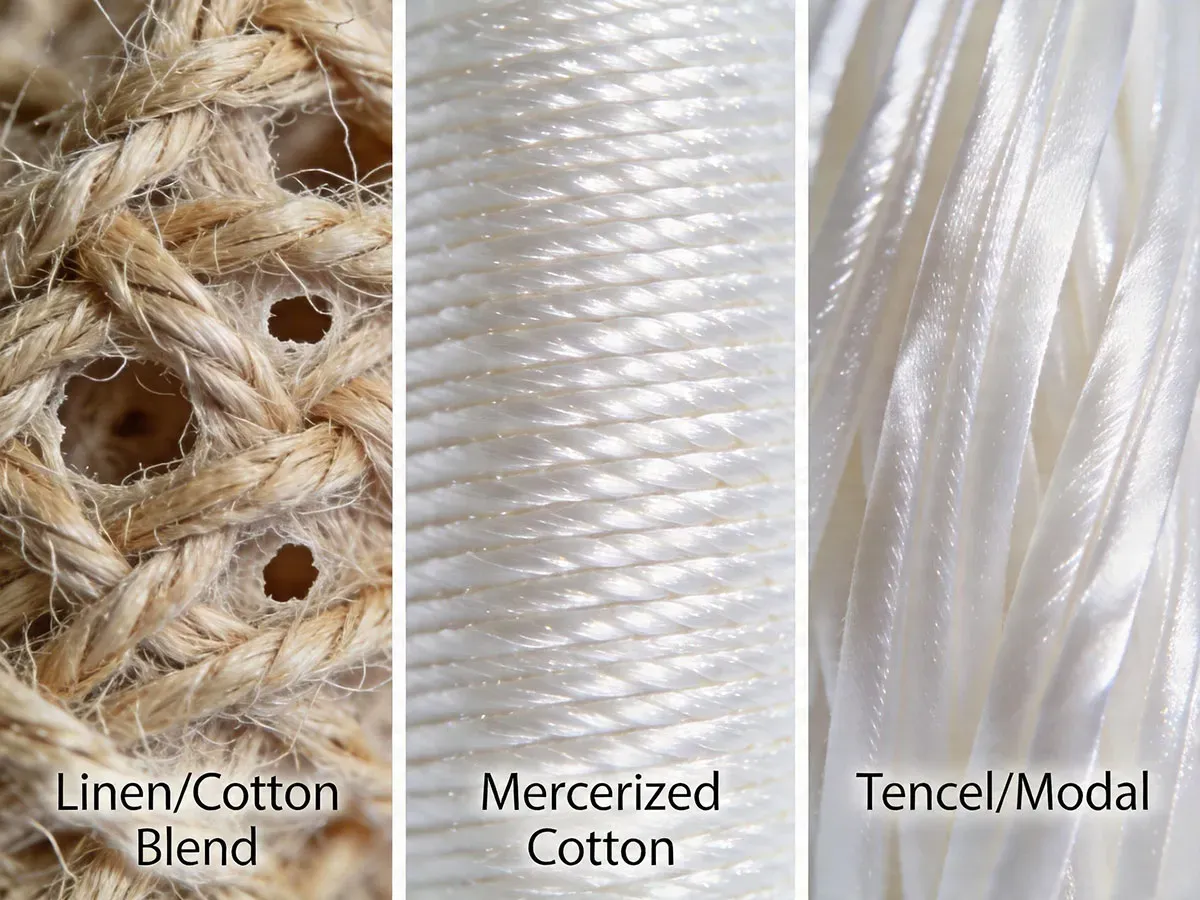
Cotton’s fine for dry, low-effort days—but not for heat and sweat. Let’s cut to the chase: here are three fabrics that actually work, plus the unspoken flaws.
Linen/Cotton Blends: The sweet spot. Keeps cotton’s softness, adds linen’s airflow and thermal conductivity—no cling. Heads-up: More linen = more wrinkles (great for resorts, bad for boardrooms). Clients still ask for “wrinkle-free linen”—good luck.
Mercerized Cotton: Cool to the touch, with a subtle sheen, better evaporation, and crisp feel. But it’s pricier, and dyeing needs care (test colorfastness for dark shades—brands skip this and get faded inventory).
Tencel/Modal: Wood-pulp fibers with instant coolness and fast moisture-wicking. Hard to beat for drape and dryness. Catch: Low-weight Tencel pills after washes. Fix: Blend with cotton/polyester, wash cold inside out on gentle.
The real game-changer? Knitting, not just fiber.
I’ve seen great fabrics ruined by cheap construction—and basic fibers made amazing by skilled knitting.
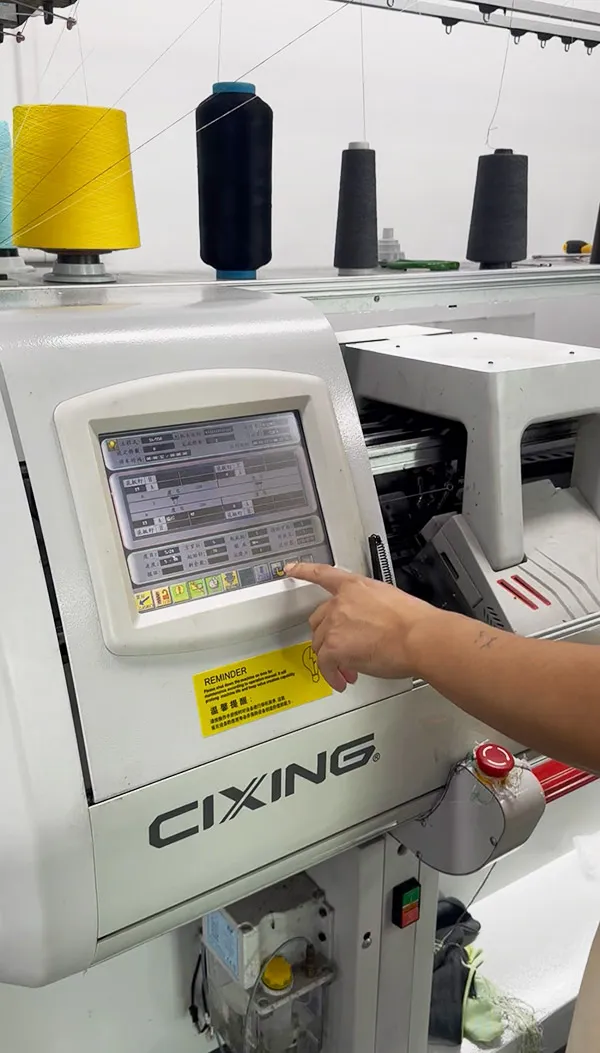
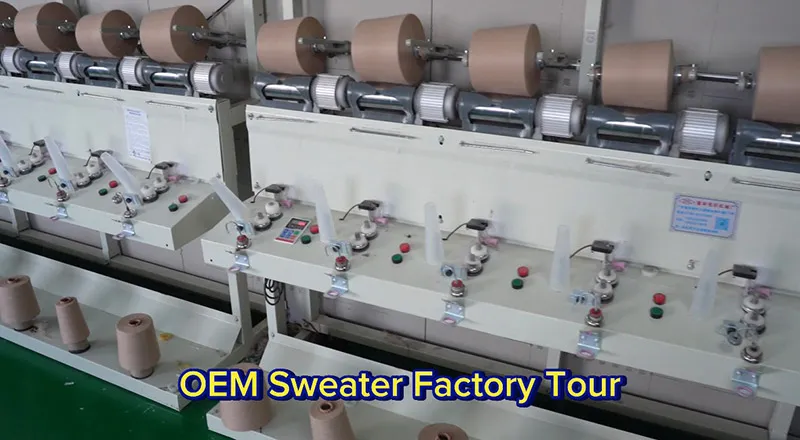
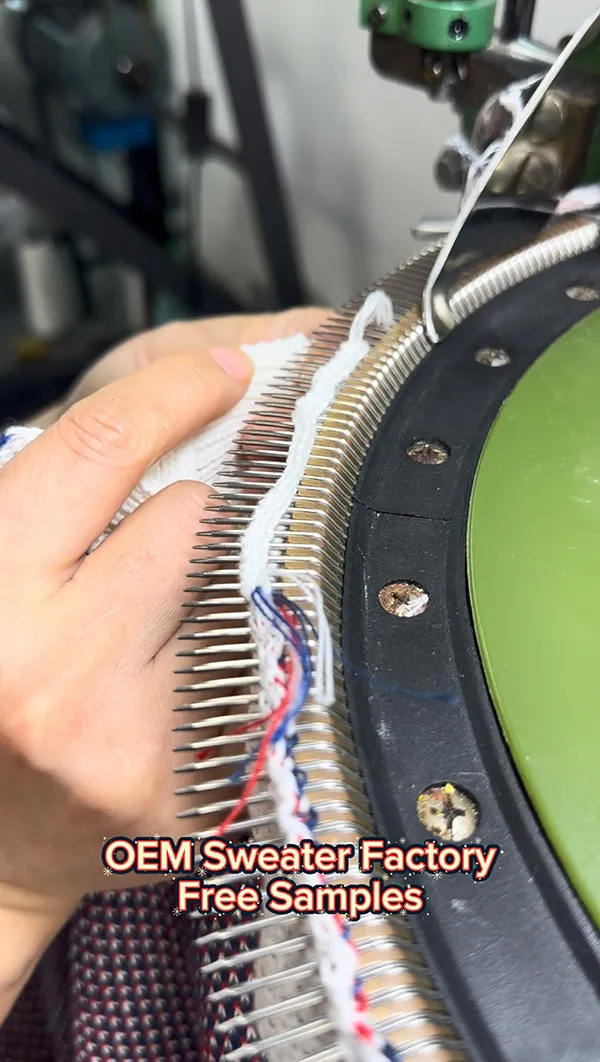
18-gauge (18GG) knitting uses fine needles for lightweight, shape-holding fabric with tiny micro-vents. This detail separates good knits from great ones.
Add stitch engineering (pointelle, mesh), and you build airflow into the fabric—active cooling, not passive. It’s a small tweak with big impact.
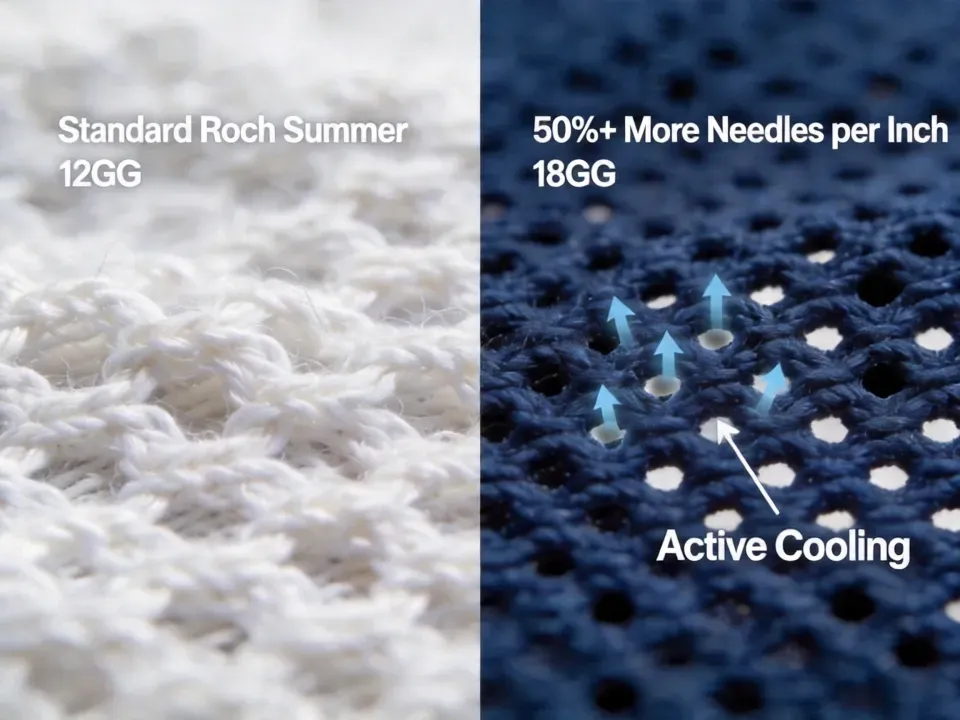
I visited a factory in Hangzhou that’s made 18GG for years but never marketed it. Their owner thought “everyone knew”—most buyers don’t. I always ask suppliers: What’s your GG and stitch pattern? It weeds out amateurs fast.
I’ve seen great fabrics ruined by cheap construction—and basic fibers made amazing by skilled knitting.
18-gauge (18GG) knitting uses fine needles for lightweight, shape-holding fabric with tiny micro-vents. This detail separates good knits from great ones.
Add stitch engineering (pointelle, mesh), and you build airflow into the fabric—active cooling, not passive. It’s a small tweak with big impact.
I visited a factory in Hangzhou that’s made 18GG for years but never marketed it. Their owner thought “everyone knew”—most buyers don’t. I always ask suppliers: What’s your GG and stitch pattern? It weeds out amateurs fast.
2026 trend: Sustainability isn’t a tagline.
Brands want GRS-certified recycled fibers that perform—recycled polyester that wicks, recycled cotton that feels natural. No more greenwashing; retail partners and customers demand real results.
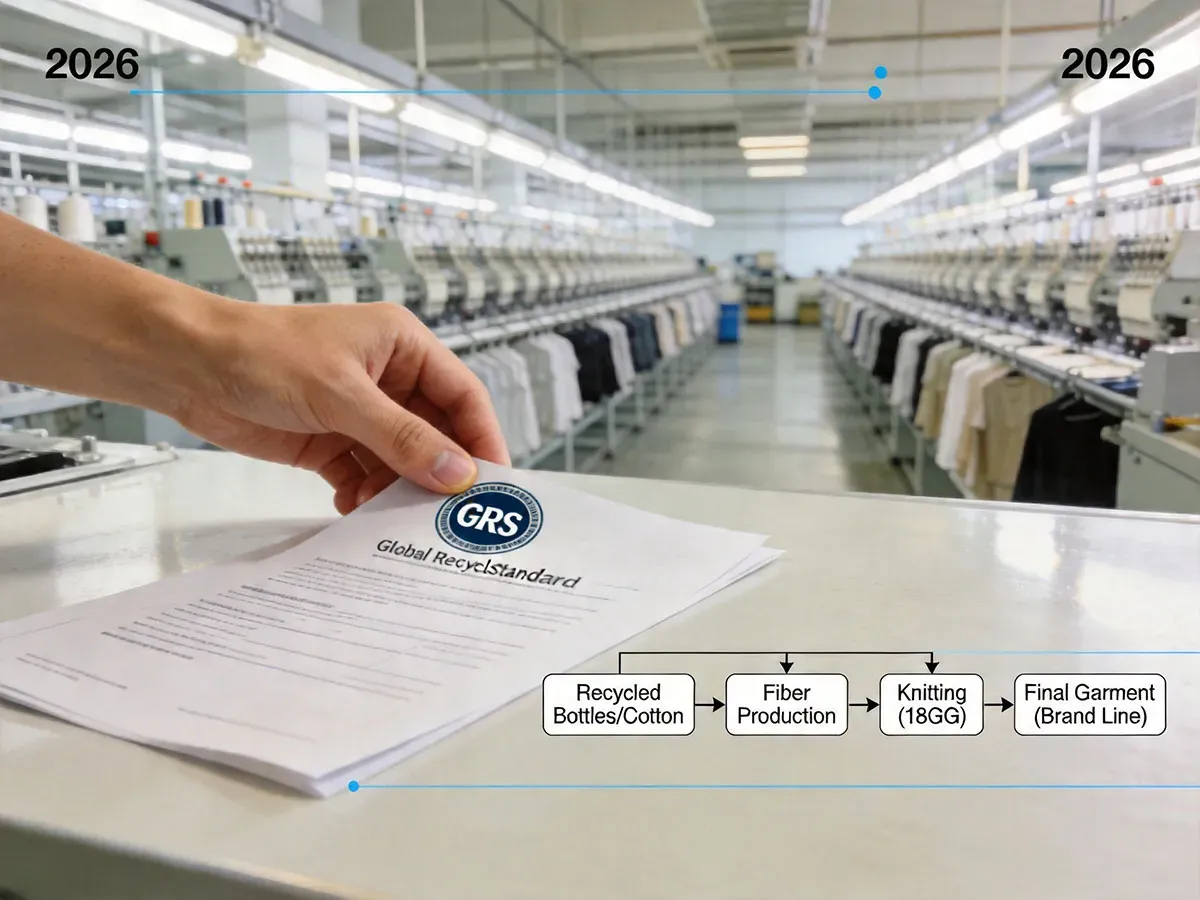
Blend recycled and virgin fibers for the right feel, durability, and drying time. If you’re planning 2026 summer lines, get those certifications now—you’ll get passed over without them.
For small brands: Low MOQ doesn’t mean low quality. Don’t order 5,000 untested units—I’ve seen brands crash and burn that way.
My advice: Sample first, scale later. Test blends and 18GG knits—wash 5x, check pilling and color. It’s cheaper than unsellable inventory.
Brands want GRS-certified recycled fibers that perform—recycled polyester that wicks, recycled cotton that feels natural. No more greenwashing; retail partners and customers demand real results.
Blend recycled and virgin fibers for the right feel, durability, and drying time. If you’re planning 2026 summer lines, get those certifications now—you’ll get passed over without them.
For small brands: Low MOQ doesn’t mean low quality. Don’t order 5,000 untested units—I’ve seen brands crash and burn that way.
My advice: Sample first, scale later. Test blends and 18GG knits—wash 5x, check pilling and color. It’s cheaper than unsellable inventory.
The Takeaway:
No “best” summer fabric—cotton works for dry days. For humidity/sweat, go linen-cotton, mercerized cotton, or Tencel blends. Construction matters as much as fiber—18GG and stitch engineering make good fabrics great.
Your summer line should be a solution, not a compromise. Pick the right partner, test details, and win the season. Cut corners, and you’ll be back for another post-mortem.
Want hard data? Grab our 2026 Summer Knitwear Technical White Paper—18GG specs, GRS data, wash-test comparisons. No fluff.
Got a fabric challenge? Our engineering team can help—pilling grades, laundering, custom development. Straight answers, no jargon.
Let’s build a summer collection that’s cool, dry, and ready for anything. Your customers deserve better than a wet paper bag.
No “best” summer fabric—cotton works for dry days. For humidity/sweat, go linen-cotton, mercerized cotton, or Tencel blends. Construction matters as much as fiber—18GG and stitch engineering make good fabrics great.
Your summer line should be a solution, not a compromise. Pick the right partner, test details, and win the season. Cut corners, and you’ll be back for another post-mortem.
Want hard data? Grab our 2026 Summer Knitwear Technical White Paper—18GG specs, GRS data, wash-test comparisons. No fluff.
Got a fabric challenge? Our engineering team can help—pilling grades, laundering, custom development. Straight answers, no jargon.
Let’s build a summer collection that’s cool, dry, and ready for anything. Your customers deserve better than a wet paper bag.