

What Can We Do For You?
-
OEM/ODM Custom Sweater Manufacturing
Expert OEM/ODM Sweater Manufacturer: We offer precision prototyping from your tech packs or custom designs. Only have an idea? We lead yarn & stitch development to bring your vision to life. Bulk production strictly matches approved samples. Low MOQs & custom orders supported. -
In-Stock & Ready to Ship. Fast Turnaround
In-stock Blank Sweaters. Ready to ship. We offer a vast inventory of top-selling blanks in various gauges, weights, and essential colors. Consistent quality with No MOQ—perfect for quick restocks or market testing. Fast fulfillment and rapid turnaround to keep your business agile. -
Elevate Your Brand Identity
Transform our blank sweaters with professional printing (DTG, Screen, Heat Transfer) and embroidery services. From precise logos to bold graphics, we bring your brand story to life with premium craftsmanship. Fast, efficient, and perfect for private label differentiation.
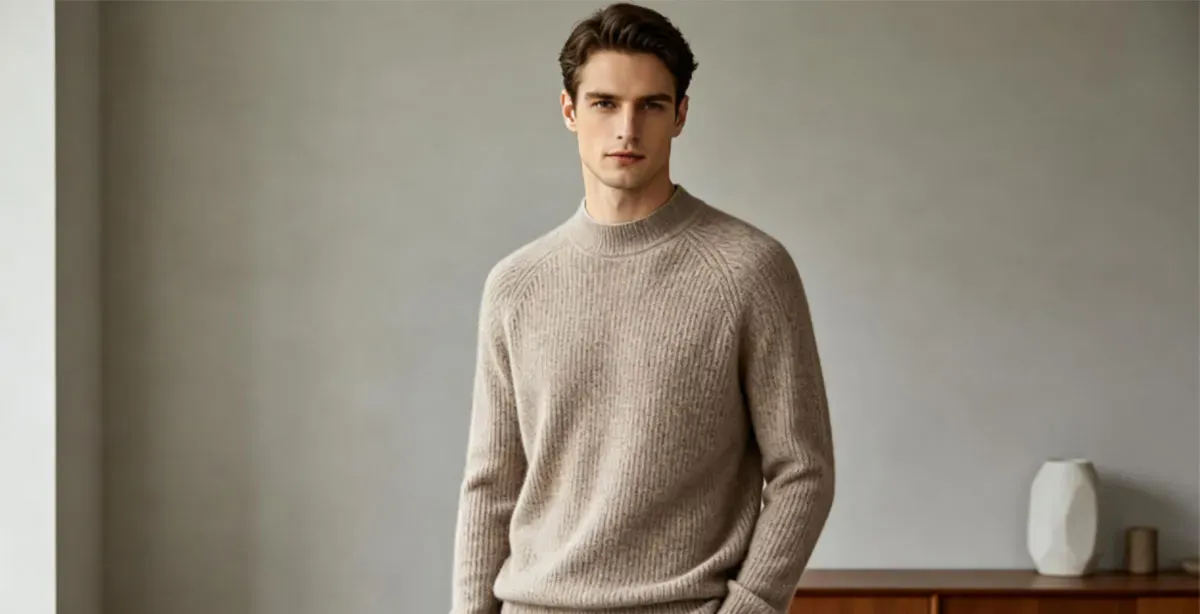
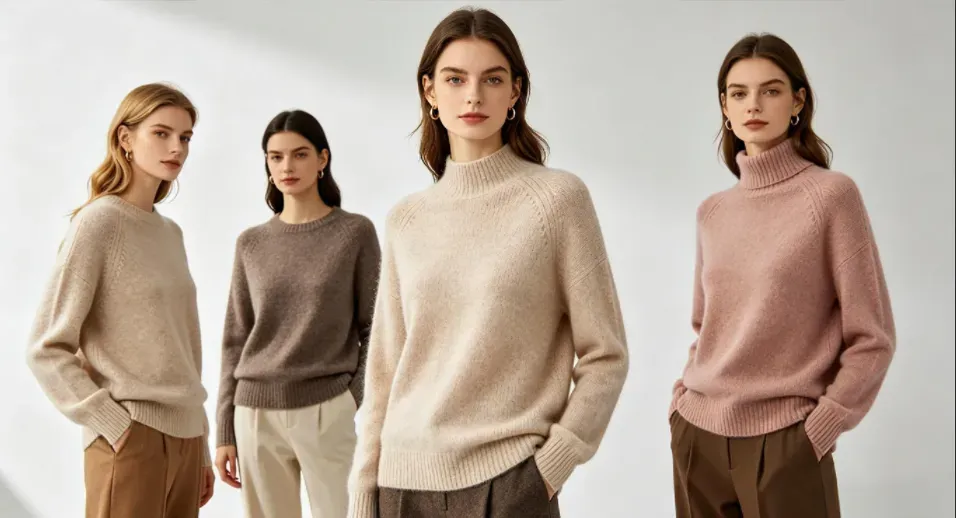
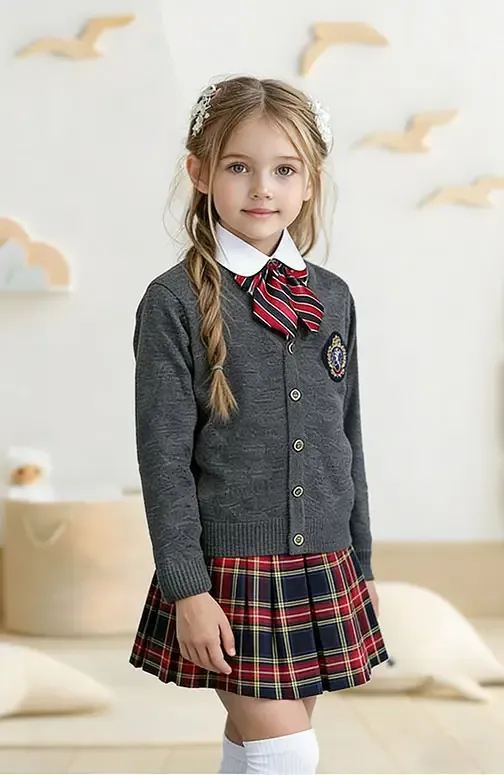
We can customize sweaters of various categories.


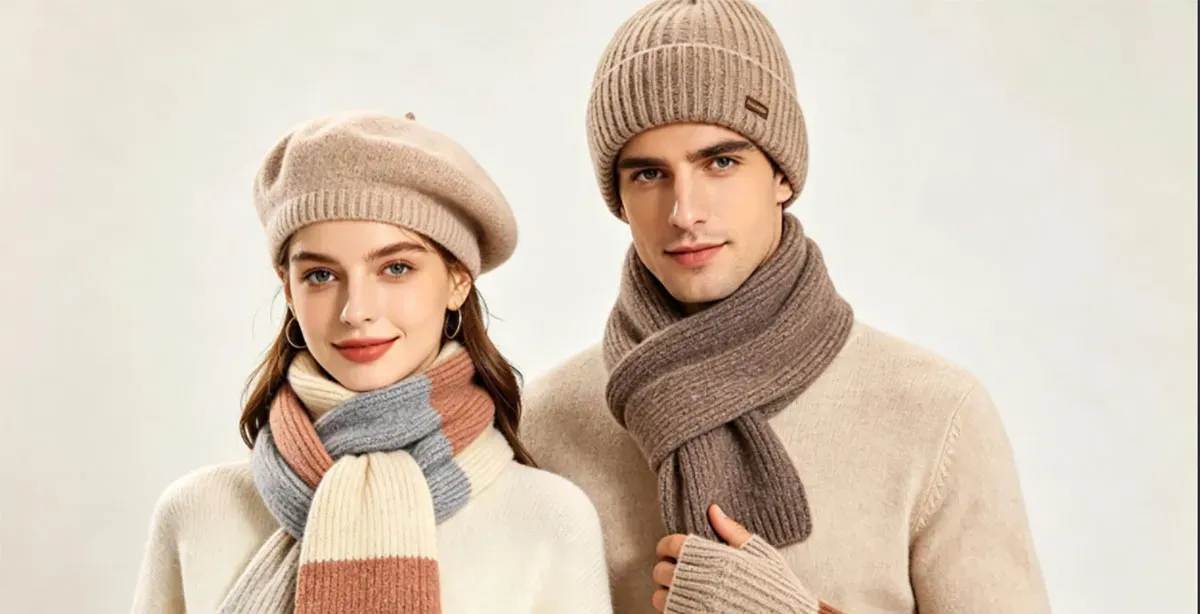
Sweater Samples & New Arrivals
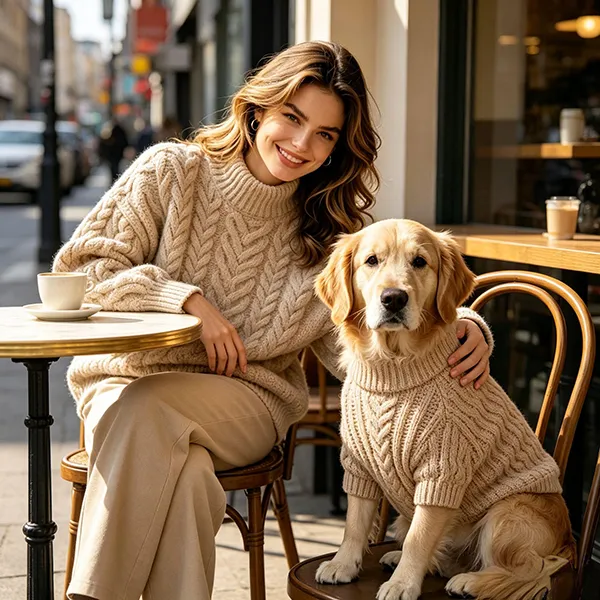
Cable-Knit Mock Neck Pet(Dog) and Owner Pullover Set: OEM Coordinated Winter Outfit from Experienced Manufacturer
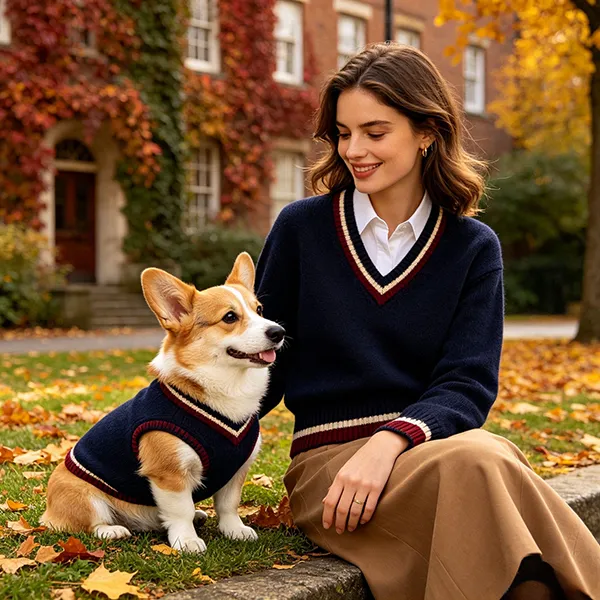
Matching V-Neck Knit Pullover and Pet(Dog) Sweater: OEM Preppy Style Dog and Owner Outfit Direct Manufacturer Production
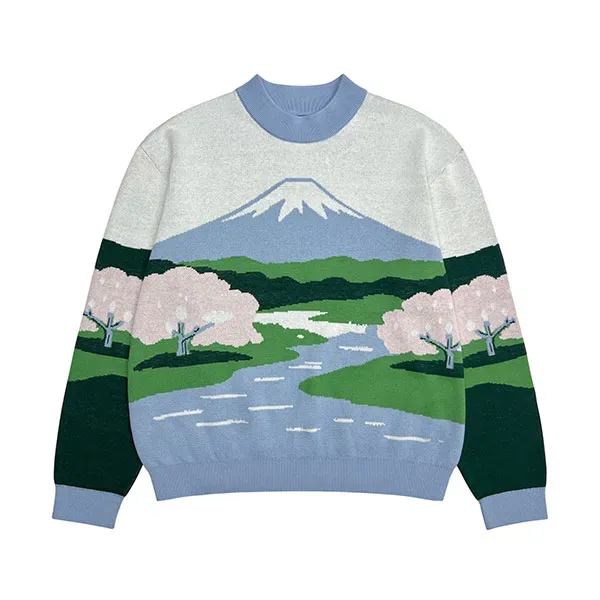
Scenic Mountain River Intarsia Knit from Premium Manufacturer: Custom 7GG Heavyweight Landscape Sweater
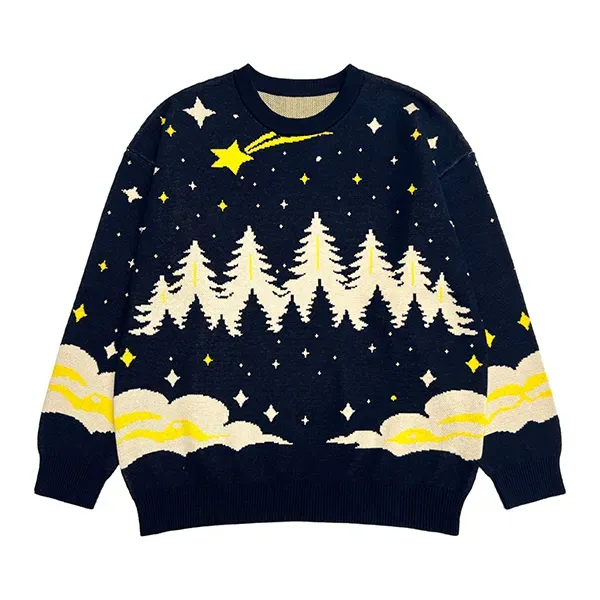
Refined Intarsia Night Scenic Knitwear from Leading OEM Manufacturer: Custom Starry Forest Graphic Pullover
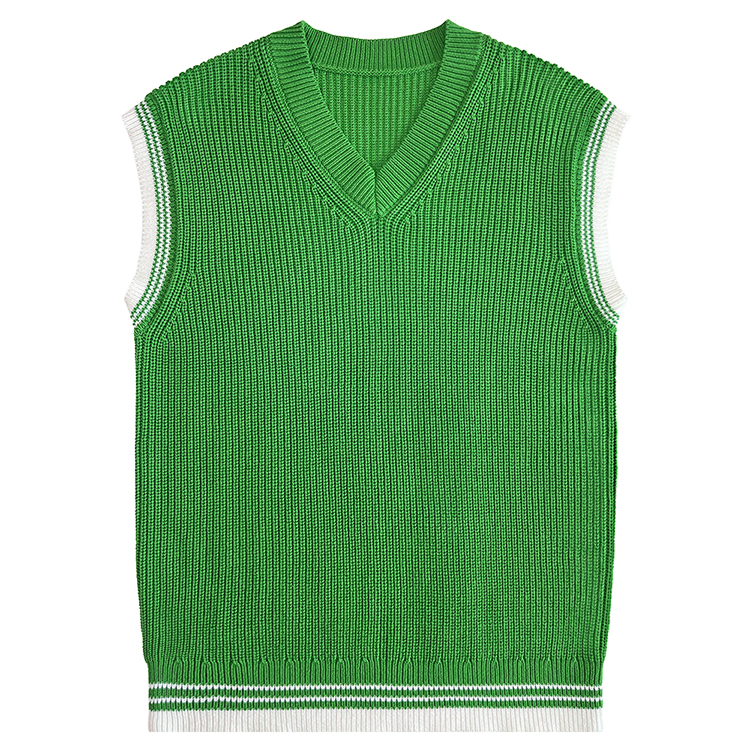
Custom Men's Solid Color Sweater V-neck Base Knit Sweater
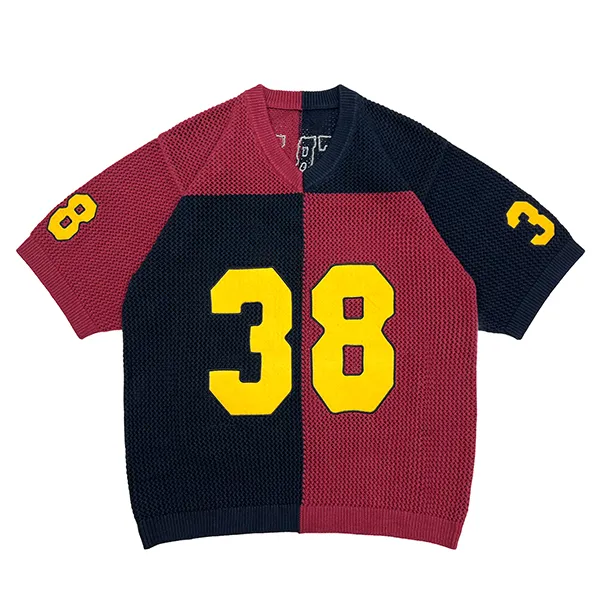
Colorblocked Number Graphic Mesh Knit Jersey OEM Short Sleeve Pullover Manufacturer Athletic Split Color Jumper
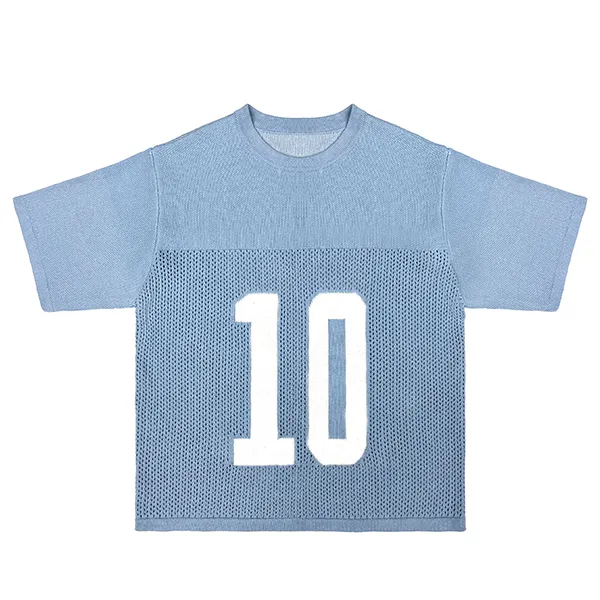
Varsity Number Mesh Knit Jersey Top OEM Short Sleeve Pullover Manufacturer Relaxed Fit Athletic Open Stitch Sweater
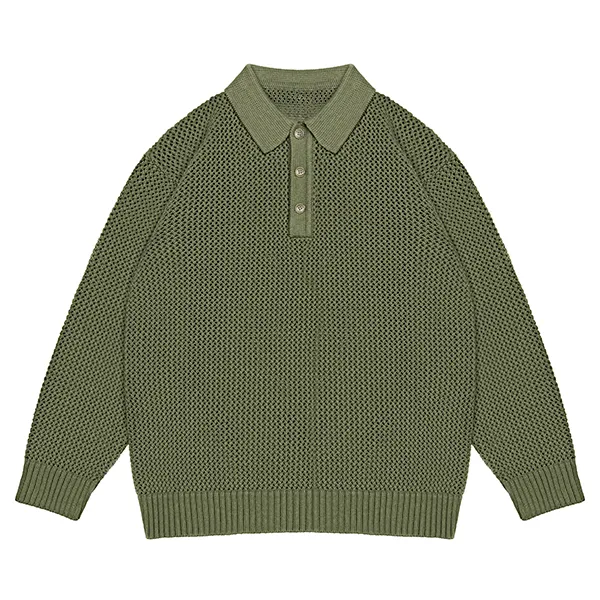
Open Stitch Mesh Polo Sweater OEM Button Placket Pullover Manufacturer Relaxed Drop Shoulder Casual Knit Jumper
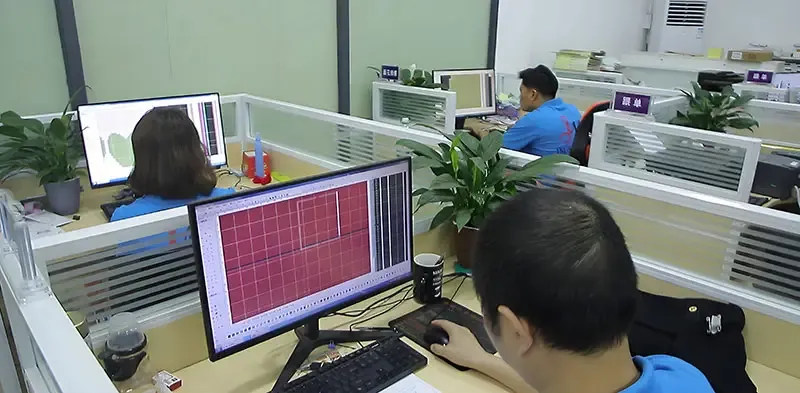
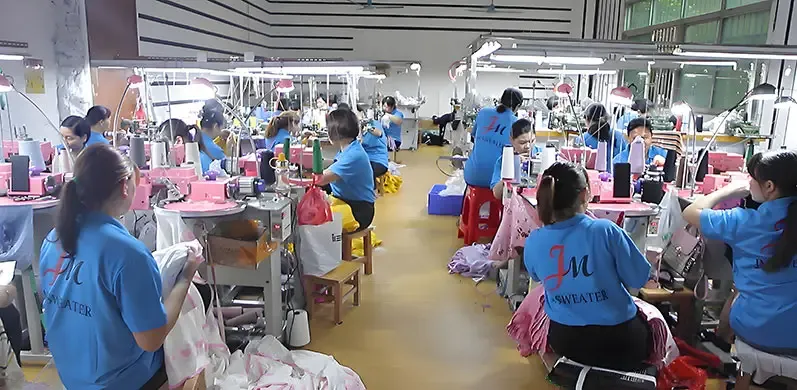
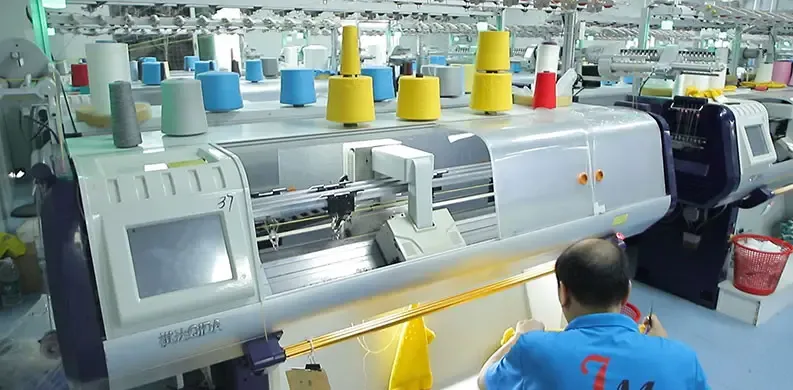
How Sweaters Are Made
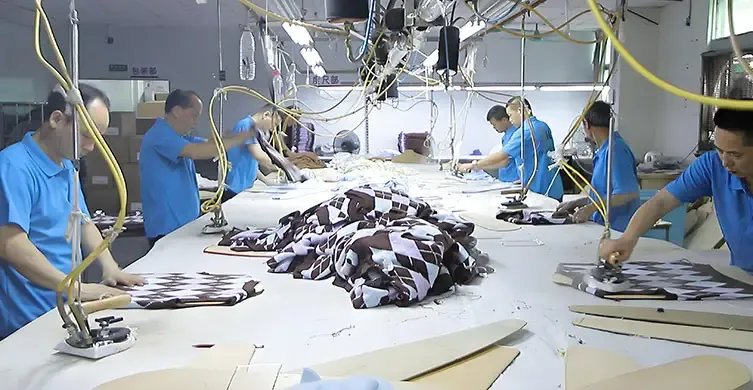
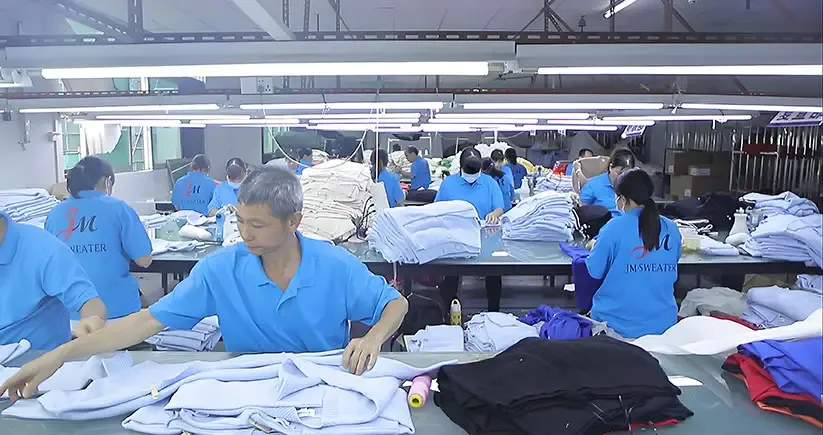
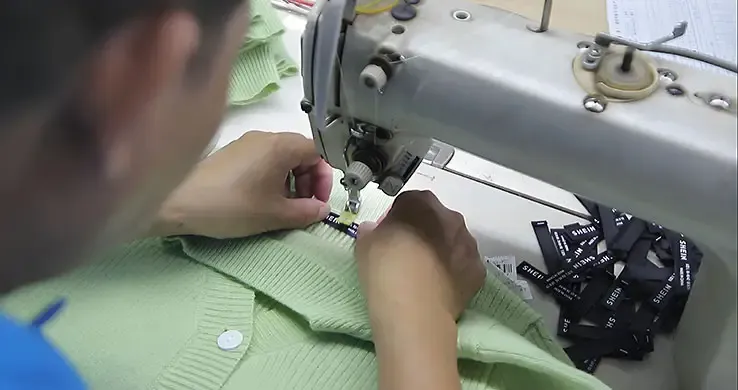
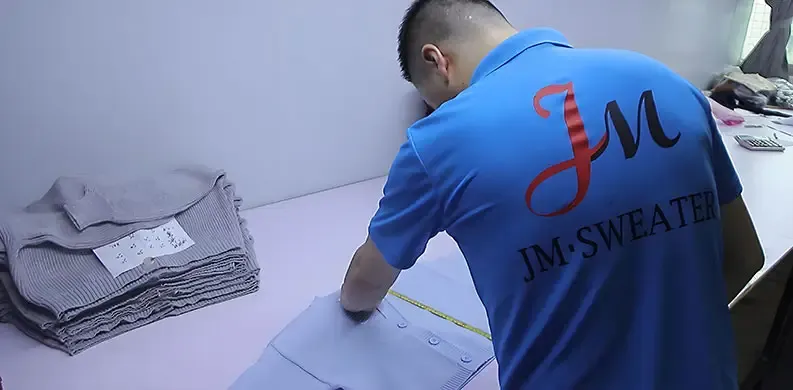
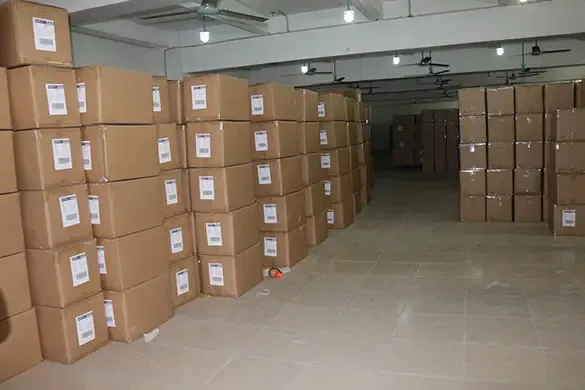
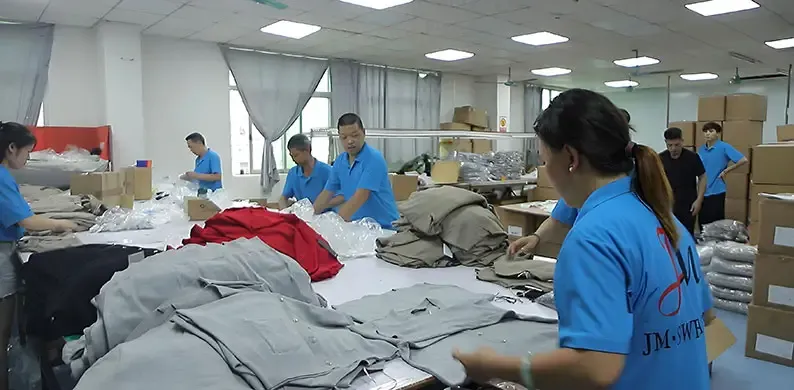
Why choose Junma sweater manufacturers
Sweater Manufacturing Factory
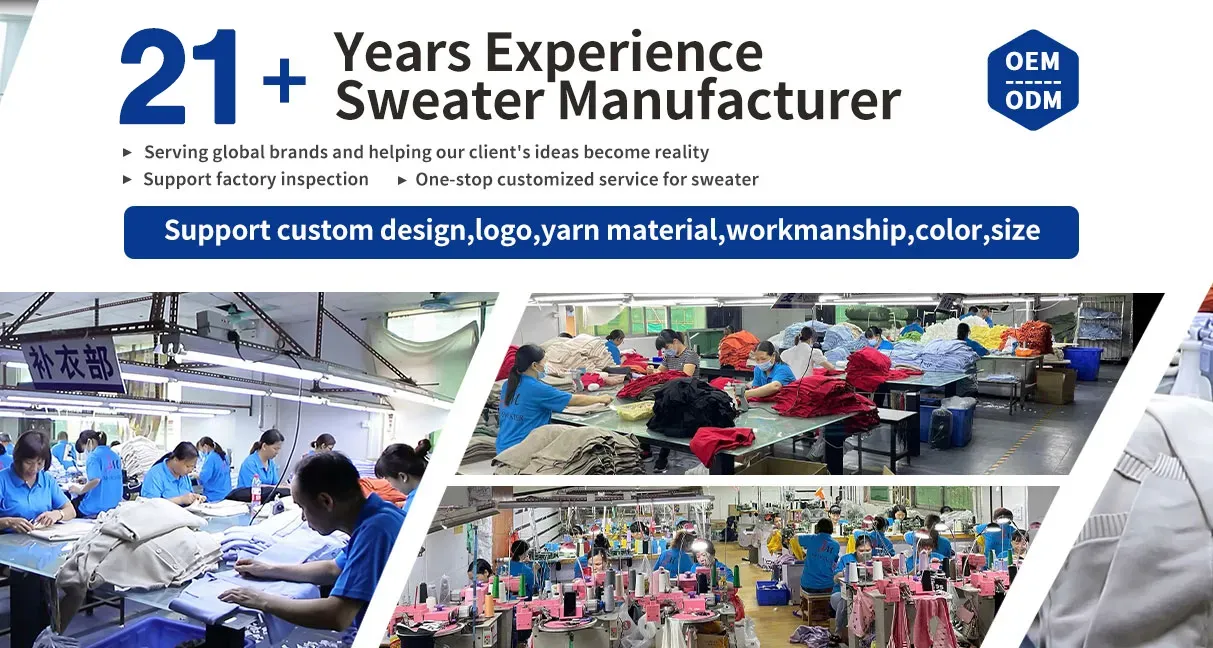
Guangzhou Junma Apparel Co., Ltd.
Custom Sweaters for Global Fashion Brands As a leading China Sweater Manufacturer with 21 years of manufacturing excellence, we provide a full-spectrum of OEM/ODM sweaters services to global brands and retailers. Operating from our 3,000 m² state-of-the-art facility equipped with 110 advanced knitting machines, we boast an annual production capacity of 1.2 million pieces,Certified and audited under GRS, BSCI, WRAP, ISO 9001, OEKO-TEX, and SMETA. Professional China Sweater Manufacturer and Sweater Factory specializing in high-quality knitwear. We offer full-service manufacturing for Men's, Women's, Children's, Uniform, and Pet Sweaters. With advanced production lines focused on European and American markets, we are a Guangzhou leading sweater factory providing custom OEM/ODM solutions. With precision prototyping, high-quality production, and flexible MOQs, we are your one-stop Sweater Manufacturer & Supp lier for all things knitwear,holding the Alibaba Top 1 Ranking for all-category sweaters manufacturing.
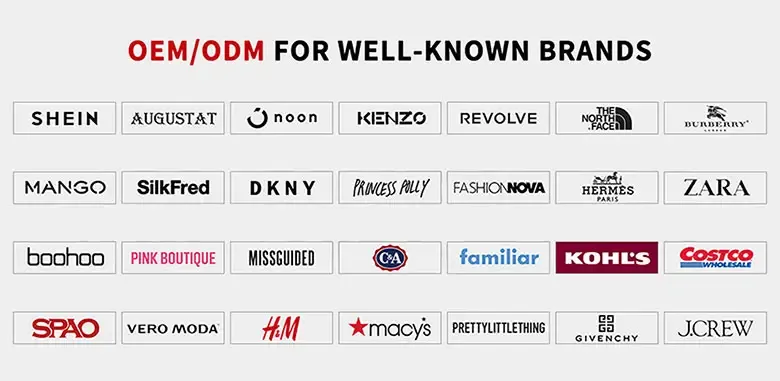
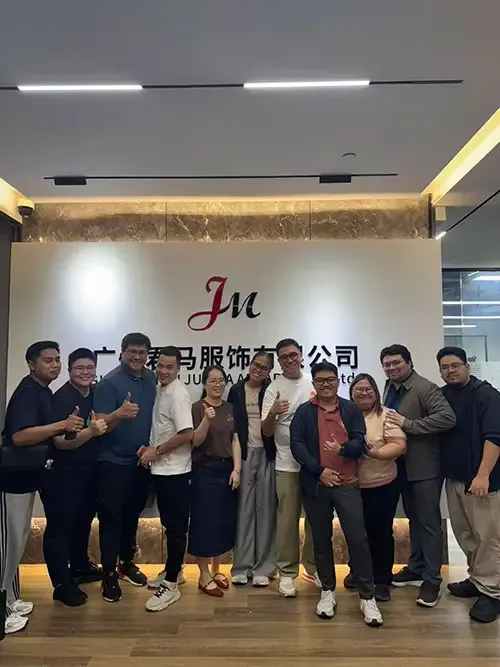
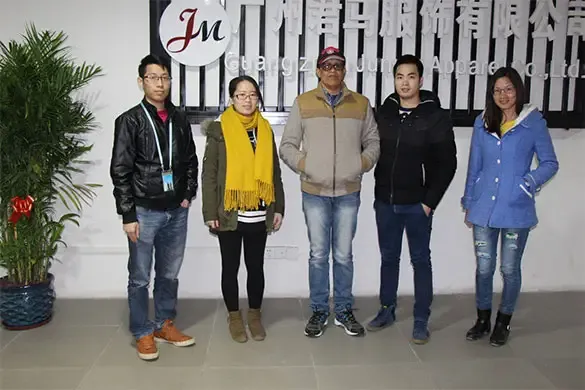
Sweater Factory Partners
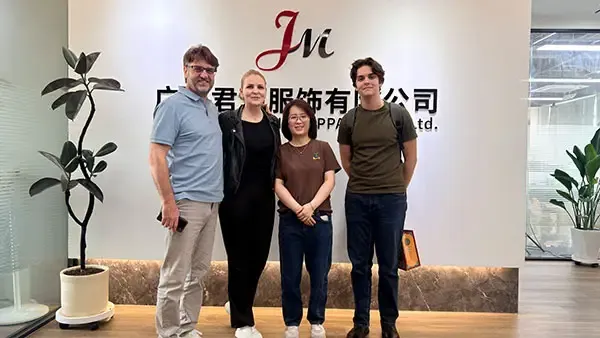
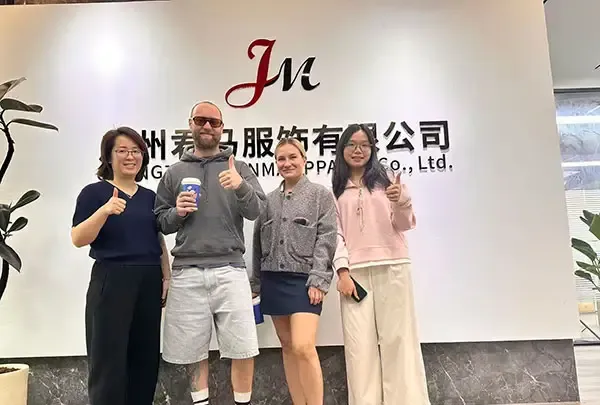
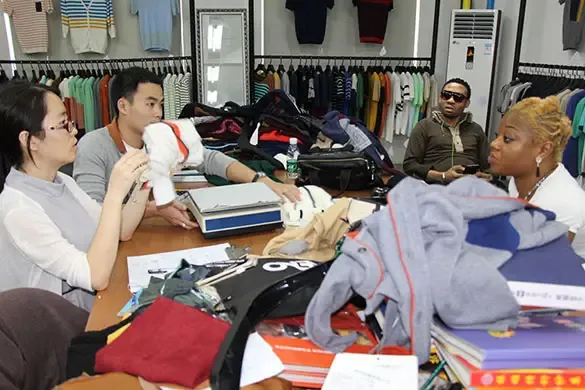
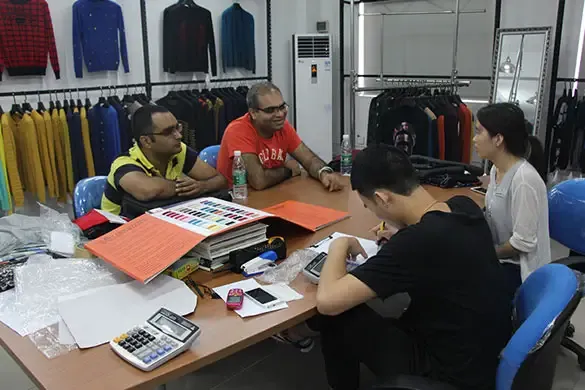
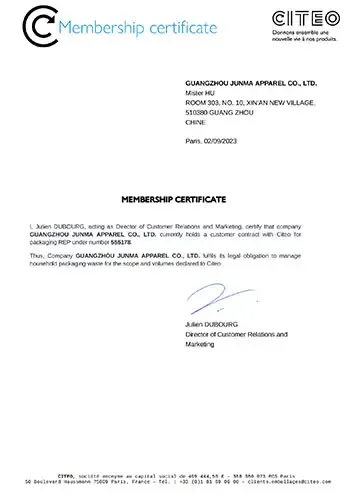
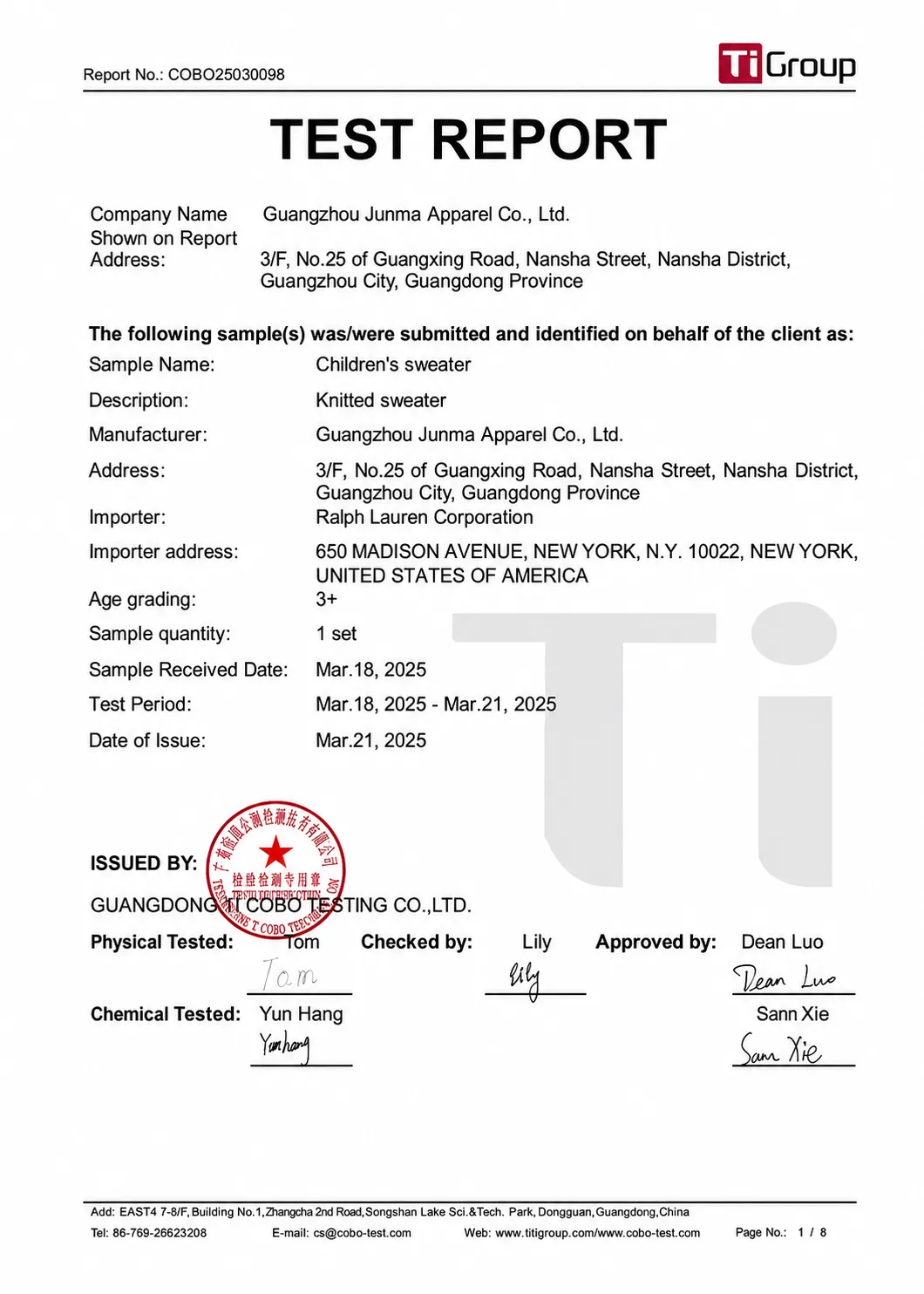
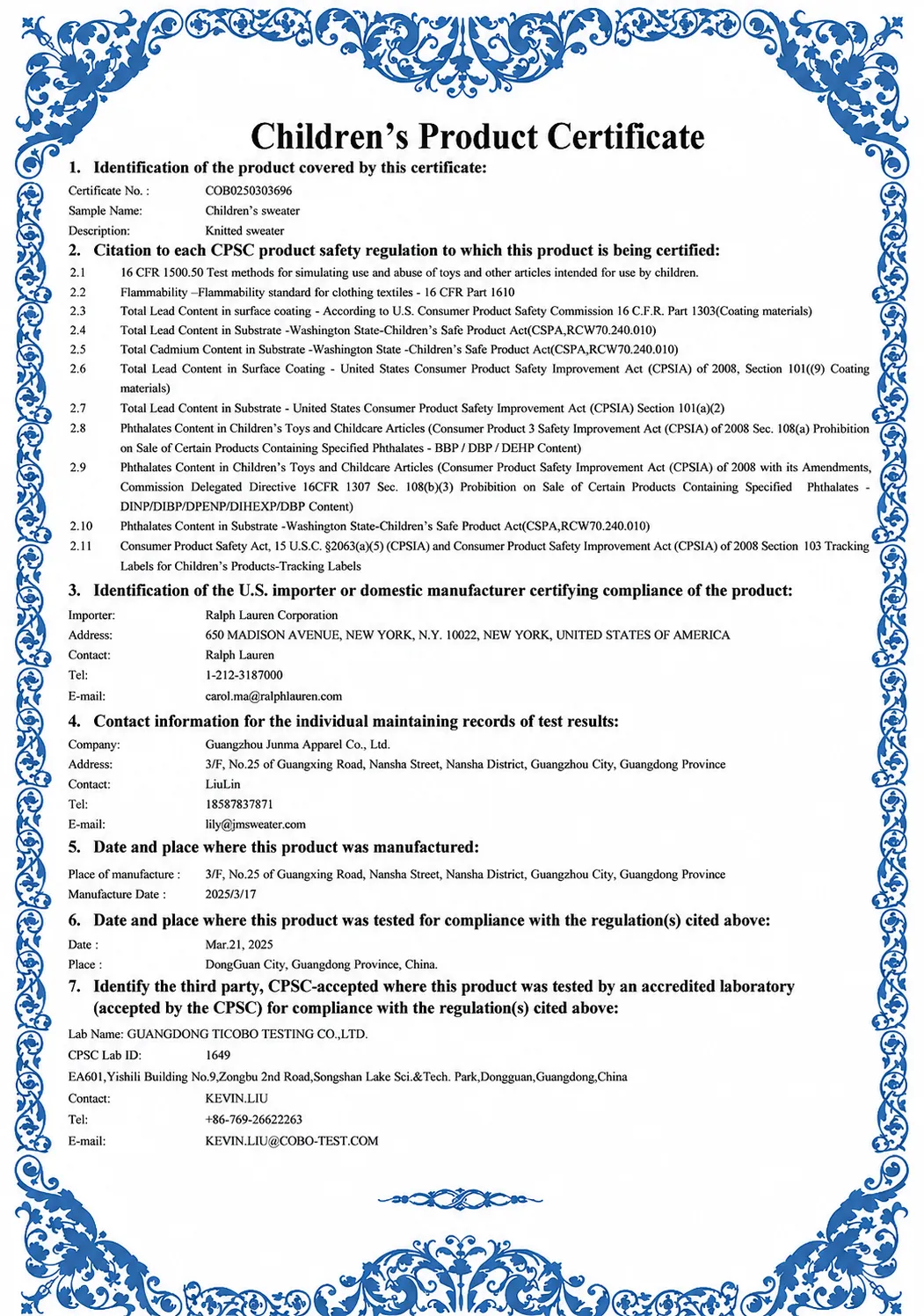
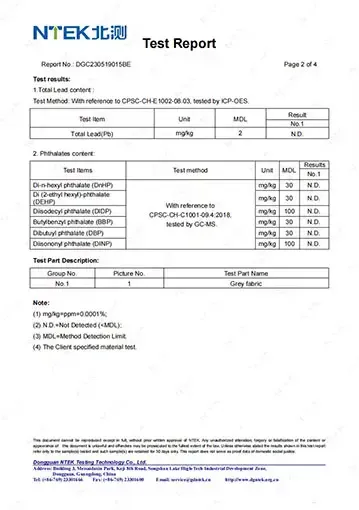
Sweater Manufacturer Certificates
Frequently Asked Questions
- Are you a direct sweater factory?
- Yes, we are a direct original sweater factory and flatbed knitwear producer since 2004. We own complete lines—no middlemen—offering competitive prices and flexible customization.
- What is your MOQ? Can I mix styles?
- As a leading sweaters manufacturer, our MOQ is normally 50pcs per style per color. Yes, you can mix styles. We support Private Label & White Label services, with flexibility depending on your quantity and other requirements.
- Can I do my own style?
- Sure, we provide OEM/ODM services as a vertical yarn-to-garment manufacturer, offering various styles fully customizable to your requirements.
- Can I custom my own logo, label, tag and packing?
- Sure, as a contract manufacturer, we support private label and white label services. Just send us your logo, label, tag, and packaging designs with details like size and color, and we'll customize them on your sweaters.
- Can we make our own logo on the sweater?
- Yes, as a direct source and production house, we can print or embroider logos on sweaters based on your requirements.
- What is your good price?
- It depends on yarn materials, weight, and quantities. When making an inquiry, please let us know your order quantities. We are a custom, export-oriented sweaters manufacturer.
- How to place a sample order?
- After we confirmed the design you want for the sample, our sweater mill can move forward with more details. For a simple sample, we charge $50 per piece; while for a more complicated sample, we may charge up to $80 per piece. After payment has been made, it takes about 7-12 working days to receive your sample.
- What is the production process?
- 1. Proto Sample Development A sweater sample is made based on your tech pack, reference photos, or physical sample (10–14 days). This step confirms style, fit, and basic technology as your trusted solution provider. 2. Order Confirmation Once the sample is approved, we confirm order quantity, color, size breakdown, and provide a quotation with lead time as a premier sweaters manufacturer. 3. Deposit Payment A 50% deposit (30% for returning customers) via T/T is required to begin production, ensuring commitment to premium quality. 4. Fabric & Trim Sourcing Materials are sourced from our reliable suppliers based on your approved sample; fabric swatches can be confirmed before bulk ordering. 5. Bulk Production Our vertically integrated sweaters factory ensures production takes 28–35 days depending on style and quantity, with consistent quality control. 6. Final Payment The remaining 50% (70% for returning customers) is paid before shipment. 7. Shipping Orders are packed and shipped by air or sea according to your logistics preference.
- What is your packing?
- Our knitwear mill ensures each piece is packed into a polybag and then into master cartons.
- What makes you the leading sweater manufacturer in Guangzhou, China?
- Yes, we’re a leading direct OEM/ODM sweater manufacturer in Guangzhou, China—and we’ve earned that position by doing things differently than the typical factory. We’ve been manufacturing knitwear in-house for over 21 years. Our 3,000㎡ facility runs 110 advanced knitting machines, giving us an annual capacity of 1.2 million pieces.
Sweater Factory Video
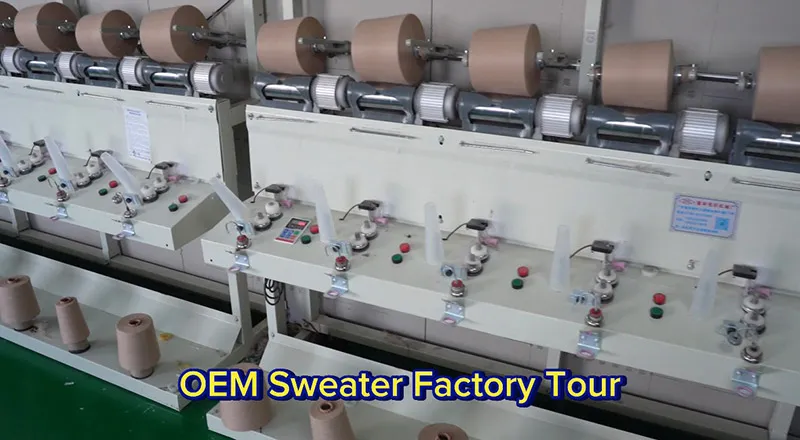
Inside a Leading Knitwear Manufacturer in China – Factory Tour & Behind the Scenes
Duration: 58sUpdated: August 10th, 2026Welcome to our knitwear manufacturing facility in Guangzhou, China. This video takes you behind the scenes of our 12,000-square-meter factory, where we produce high-quality knitted garments for brands worldwide. As a leading knitwear manufacturer in China, we specialize in custom OEM and ODM production across five core categories: men's knitwear, women's knitwear, children's knitwear, pet knitwear, and a full range of knitwear accessories. Men's Knitwear & Women's Knitwear Our factory is equipped with over 110 advanced STOLL computerized flat-knitting machines, capable of producing everything from classic crewneck sweaters and V-neck pullovers to fashion-forward cardigans and knit tops for men and women. With a gauge range of 1.5GG to 18GG, we can handle chunky cable knits as well as fine-gauge lightweight styles. Whether you need a bulk order for a retail chain or a small batch for a startup brand, our flexible production lines ensure consistent quality and on-time delivery. We work closely with fashion brands, wholesalers, and importers across North America, Europe, and Australia, offering full-service support from yarn selection to finished garment inspection. Children's Knitwear & Pet Knitwear Our expertise extends to children's knitwear and pet knitwear – two fast-growing segments in the global apparel market. For kids, we produce soft, durable, and safe sweaters in a wide range of colors and styles, from school uniforms to casual wear. All children's garments are crafted from certified materials that meet international safety standards. For pets, we are a trusted manufacturer of custom dog and cat sweaters, offering breed-specific sizing, premium yarns, and creative designs that keep pets warm and stylish. Whether you are launching a pet apparel line or expanding your children's collection, our low MOQ and fast sampling service make it easy to get started. Knitwear Accessories Beyond sweaters, we are also a leading manufacturer of knitwear accessories – including beanies, scarves, gloves, headbands, and knit hats. These accessories are produced using the same high-quality yarns and precision knitting techniques as our garments, ensuring a cohesive look and feel across your entire product line. With our in-house design team, we can develop custom patterns, colors, and branding elements to match your collection's aesthetic. Behind the Scenes: Our Process In this video, you will see every stage of our production process – from yarn intake and quality inspection to computerized knitting, linking, washing, and final quality control. Our facility is certified under GRS, BSCI, WRAP, ISO 9001, and OEKO-TEX, reflecting our commitment to ethical manufacturing and environmental responsibility. We also maintain a dedicated sample showroom where clients can review fabric swatches, gauge samples, and finished prototypes before placing bulk orders. Why Choose Us? As a direct knitwear manufacturer in China, we offer factory-direct pricing, transparent communication, and a dedicated account management team for every project. Whether you need men's knitwear, women's knitwear, children's knitwear, pet knitwear, or knitwear accessories, we are your one-stop partner for reliable, high-quality production. Book Your Factory Tour Today We welcome international buyers to visit our factory and see our operations firsthand. Schedule a visit to meet our team, review our capabilities, and discuss your next collection. Contact us now to arrange your factory tour!
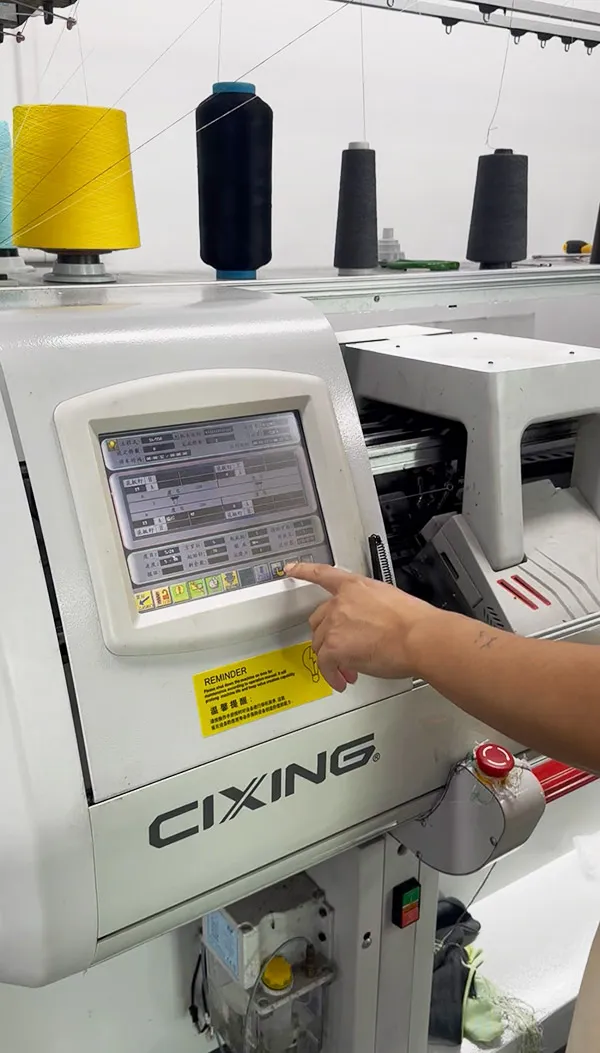
JM Sweater Sample Room Tour: OEM/ODM Sampling, Pattern Making, Knitting Programming in Cotton, Wool & Cashmere
Duration: 29sUpdated: September 23rd, 2026A detailed walkthrough of our knitwear sample room, illustrating the complete development cycle from client tech pack interpretation to finished prototype approval. The video highlights skilled technicians creating computerized flat knitting programs on German STOLL and Japanese Shima Seiki software, alongside patternmakers calculating stitch density, yarn tension, and shrinkage allowances. Key sampling operations featured include automated panel knitting across 3G, 5G, 7G, 12G, and 14G gauges, precision hand-linking for seamless collar and shoulder joining, manual thread trimming, and steam framing for dimensional stability. Designed to support B2B buyers and fashion designers, this sample development center handles custom proto samples, fit samples, color lab dips, and pre-production samples (PPS) utilizing organic cotton, merino wool, fine cashmere blends, and recycled yarns.
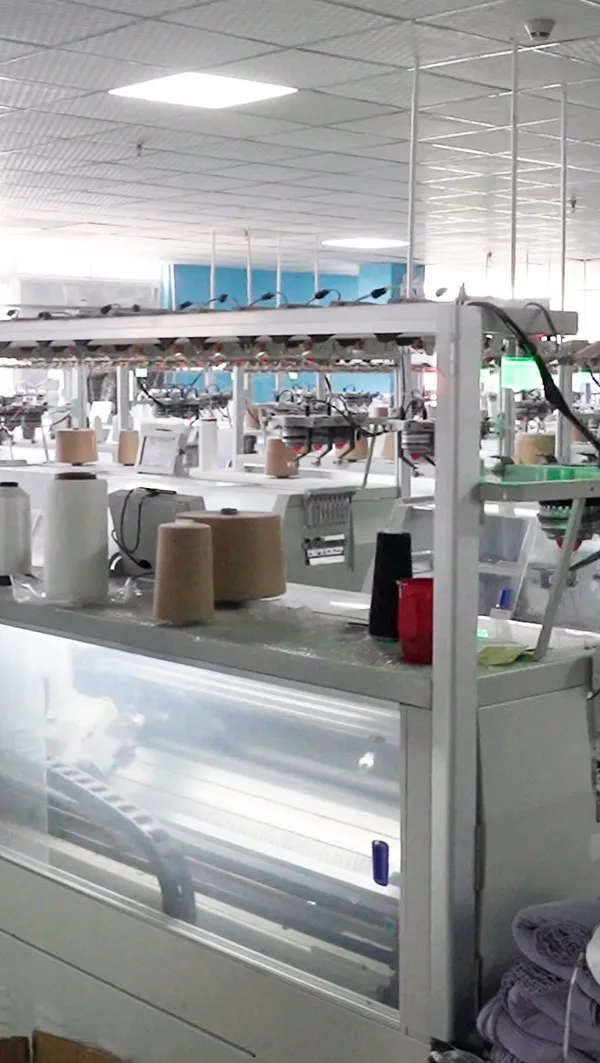
JM Sweater Factory Tour: OEM/ODM Knitting Manufacturing, STOLL Machines & Quality Control in Cotton, Wool & Cashmere
Duration: 27sUpdated: September 23rd, 2026A detailed factory tour video demonstrating the complete OEM sweater manufacturing process, from raw yarn preparation to finished garment packing. The footage captures automated flat knitting machine operations using German STOLL and Japanese Shima Seiki technology across various gauges, including fine 12G/14G and heavy 3G/5G knit structures. Key production stages featured include precise panel knitting, manual hand-linking and collar joining, seam reinforcement with Mobilon tape, sample thread trimming, and industrial steam pressing. Every step incorporates rigorous quality control checkpoints, including needle detector safety scans and dimensional tolerance inspections. Ideal for private label clothing brands, corporate apparel buyers, and distributors, this overview highlights manufacturing capabilities in processing organic cotton, merino wool, cashmere blends, and recycled sustainable yarns.
Sweater Manufacturer News
- Fashion InStyle Hong Kong 2026:China Sweater Manufacturer Showcases Technical Knitting Innovation
-
We joined Fashion InStyle Hong Kong 2026 from April 27 to 30, and it turned out to be an incredible opportunity to catch up with our long-term partners and connect with new brand buyers from all over the world. As a technology-driven knitwear manufacturer, we’ve always valued face-to-face interactions—and this event really reinforced why that matters.
Technical Precision & New Collections
Our booth put our full range of knitwear engineering on display, covering everything from heavy-gauge 2G textures to ultra-fine 18GG luxury pieces—showcasing just how versatile our production capabilities are for every season. Many visitors stopped to run their hands over our pieces: they were especially impressed by the sharp, clean details of our complex Intarsia patterns, as well as the soft, skin-friendly hand-feel of our eco-friendly yarn series.
With over 15 years of OEM & ODM experience, we walked visitors through how we turn creative design concepts into workable, high-quality products—no more gaps between vision and production.
Face-to-Face with Global Brands
The best part of the fair? Sitting down with designers and sourcing leads from Europe and North America for in-depth technical chats. In a world where most communication happens digitally, there’s still no replacement for feeling the texture of a knit, examining stitch details up close, and bouncing ideas off each other in real time.
These conversations helped us better understand their needs—and solidify partnerships that will carry forward.
Looking Ahead
A big thank-you to everyone who took the time to stop by our booth—your interest and feedback meant a lot to our team. If you missed us in Hong Kong, don’t worry: you can explore our technical white papers online, or reach out to our engineering team directly via our website, jmsweater.com. We’re already looking forward to connecting with you, whether in person at the next show or virtually.
- Decoding 2026 Knitwear Trends: What to Expect at the 139th Canton Fair Phase 3
-
Here’s the thing: the global apparel trade is about to hit its busiest rhythm, and everyone’s eyes are on Guangzhou.
The 139th Canton Fair (Spring 2026) is right around the corner. For those of us in knitwear, the real action happens in Phase 3 (May 1–5) . That’s when buyers stop browsing and start placing orders for the next season.
To be honest,working as a sweater manufacturer has put in enough factory meetings to know that “eco-friendly” can sound like a checkbox. But this year feels different. This canton fair just launched a new “Functional & Technical Fabrics Zone” under the green low-carbon theme — and over 22% of the displayed products are now certified green materials. That’s not a side note anymore. That’s the table stakes.
So let me walk you through what’s actually moving the needle for 2026 — not as a sales pitch, but as a conversation between people who know how tricky it is to turn a trend into a shipment.
Sustainable Recycled Cashmere Sweaters Wholesale 2026
I had a buyer from Copenhagen tell me last month: “I don’t want another sustainability deck. I want the certificate and the traceability.”
That’s exactly why Sustainable Recycled Cashmere has become the most-searched term heading into this canton fair. Brands aren’t asking if you use recycled fibers — they’re asking how you sort, spin, and validate them.
We’ve been refining our GRS-certified recycled cashmere line for three seasons now. The trick isn’t just reclaiming the fiber; it’s keeping that buttery handfeel that makes cashmere worth the price. Through precision sorting and a modified spinning process, we’ve cut the carbon footprint significantly — without turning the sweater into something that feels like cardboard.
If you’re sourcing for Fall 2026, this is the material transition to watch. Not because it’s trendy, but because it’s becoming the baseline for every serious luxury program.
Modern Chinese Style Knitwear — Without the Costume Vibe
Here’s a personal observation: “Chinese style” used to mean dragon embroidery and heavy silk. Not anymore.
The new wave is Light Chinese Style, and it’s exploding on social media under the #Chinamaxxing trend. Think minimalist knot buttons, a subtle stand collar, or ink-wash jacquard that reads as abstract art rather than a postcard.
As a Modern Chinese Style Knitwear Manufacturer, we’ve pushed our 18-gauge ultra-fine knitting to the limit. The result? A sweater that drapes almost like silk but knits up on a standard machine. No extra weight. No stiff embellishments. That’s the sweet spot for 2026 — and exactly the kind of piece getting circled in Canton Fair order books right now.
Washable Merino Wool Jumpers for Commuter Wear
Let’s be real: no one has time for hand-washing wool anymore.
The “commuter wear” category is blowing up because people want one sweater that works for the 8 AM train, a 2 PM client presentation, and Saturday’s farmers’ market. That means washable, wrinkle-resistant, and breathable.
From what we’re hearing, Canton Fair buyers are prioritizing washable merino over traditional wool this season. Our Washable Merino Wool Jumpers use a shrink-proof fiber-wrapping technology — not a chemical coating that washes out after three cycles. You can toss it in the machine on gentle, and it comes out looking like it did on day one.
This isn’t a niche anymore. It’s becoming the default for any brand targeting urban professionals who move fast and don’t want to think about laundry — and Canton Fair is where that conversation is happening right now.
Custom Intarsia Logo Sweaters with Low MOQ 2026
Here’s a pain point I hear from smaller brands every single week: “I love the idea of custom intarsia, but I don’t have the volume for a 500-piece minimum.”
I get it. Inventory risk is real.
That’s why we’ve restructured our production scheduling to offer low-MOQ custom intarsia — down to 50 per color and design. The trick is digital pattern-making. We can now translate your logo into an intarsia knit that has zero hand feel on the inside (no more bulky embroidery backing) and sharp definition on the outside.
For 2026, supply chain flexibility isn’t a nice-to-have. It’s how you test new designs without betting the farm.
When Phase 3 of the 139th Canton Fair opens on May 1, these four trends aren't predictions — they're what buyers are circling in their order books. Walk the aisles with this list, ask the extra question about process details, and remember: sustainability, restrained design, and real functionality are no longer optional. Here's to a smart, productive Canton Fair.
- Junma Apparel Awarded Gold Manufacturer Status by Alibaba for Knitwear Excellence
-
Recognition for production capability and delivery track record in knitwear manufacturing
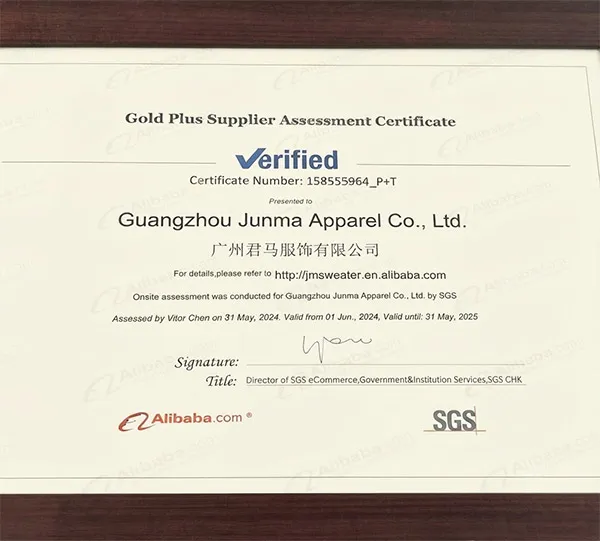
Junma Apparel has been awarded Gold Manufacturer status on Alibaba International Station, following a verification process that covered production scale, factory audits, R&D capability, order fulfillment rates, and customer satisfaction metrics.
The Gold Manufacturer badge—often referred to as Gold Supplier—requires a paid membership and verification of business licenses, with on-site inspections conducted by Alibaba.com staff to confirm operations exist at the claimed premises. For mainland China-based suppliers, the process includes third-party verification from firms such as Bureau Veritas, TÜV Rheinland, or SGS.
"We're pleased with the recognition, but more importantly, it reflects what we've been doing day in and day out—controlling quality across the production line and delivering on time for our customers," said the General Manager of Junma Apparel. "The knitwear market is demanding faster turnarounds and better fabric consistency. This certification doesn't change our approach; it validates it. We'll keep investing in process refinement and flexible manufacturing capacity to stay responsive to client needs."
Junma operates integrated production lines for knitted garments, from raw material selection and fabric development to seamless stitching and quality control. The company's in-house sampling team and automated equipment support its export business across North America, Europe, and Australia, where it supplies established brands and e-commerce partners.
Looking ahead, the company plans to continue developing sustainable knitting technologies and streamlining production workflows. "Our job is to make our clients' supply chain simpler and more reliable," the General Manager added. "That's what we're built for."
About Junma Apparel
Junma Apparel is a manufacturer specializing in premium knitwear, casual wear, and seamless knitted products. The company provides integrated services from design and development through to production and export, with automated manufacturing facilities supporting one-stop supply chain solutions for global clients.
Sweater Manufacturer Blog
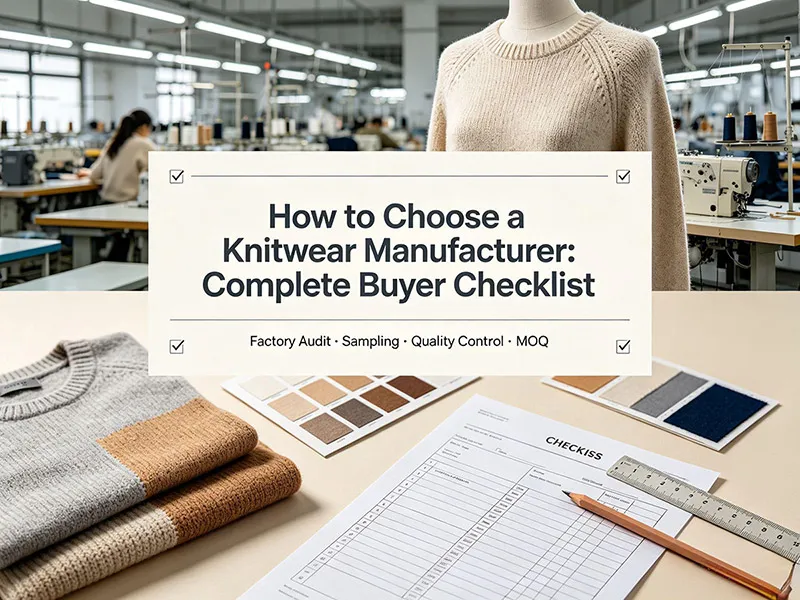
How to Choose a Knitwear Manufacturer: Complete Buyer Checklist
How to Choose a Knitwear Manufacturer: Complete Buyer Checklist A Step-by-Step Sourcing Guide for Brands — Even Without a Tech Pack With the global knitwear market projected to surpass $1 Trillion by 2035, the demand for high-quality sweaters is exploding. But for brand founders, capturing this growth isn't easy. Let’s cut the flattery. Finding a sweater factory isn’t about winning a lowball bidding war. In my experience, the cheapest quote usually comes with hidden costs: missed ship dates, inconsistent sizing, pilling after two washes, and a communication blackhole that makes you want to pull your own hair out. Smart sourcing isn’t about price. It’s about finding a manufacturing partner that’s responsive, transparent, and technically competent. Even if you don’t have a technical designer on staff or a fully built-out tech pack, you can screen factories quickly using these four core criteria. Here’s exactly how. 1. Hardware & Process: What’s Actually on the Floor Forget the glossy sales pitch. A factory’s real capability comes down to two things: the knitting machines they run and how they stitch the pieces together. Gauge (GG) Selection & Machine Capability Gauge refers to the number of needles per inch on the knitting bed. Higher GG = finer, lighter fabric. But here’s the catch: a factory needs the native machine for each gauge. You’re looking for STOLL (Germany) or SHIMA SEIKI (Japan) equipment, not knockoffs. Here’s how the gauges break down: Coarse Knit (3GG – 5GG): Heavyweight fall/winter sweaters, cable knits, cardigans. This gauge tests a factory’s tension control on wide-gauge beds. Mid-Gauge (7GG – 9GG): Your bread-and-butter spring/fall styles. This is the volume sweet spot. The key metric here is stitch uniformity across bulk production. Fine & Superfine (12GG – 18GG): Base layers, fine merino, and cashmere blends. This is where the factory’s climate control and finishing processes get scrutinized. Temperature and humidity swings wreck fine-gauge production. Red flag: A factory that claims they can run 7GG on a 12GG machine by "modifying" the settings. That’s a fancy way of saying your sweater will stretch out and lose its shape after one wear. Walk away. The Joining Process: What Determines Garment Durability This is the single biggest differentiator between a premium sweater and fast-fashion garbage. Hand-Linking (Looping): Each stitch from the knitted panels is looped onto a linking machine, one by one. The result? Seams that are flat, elastic, and almost invisible against the skin. This is how you build garments that last. Cut-and-Sew (Overlock): The cheaper, faster route. Panels get cut with scissors and stitched together with an overlock machine. The seams are bulky, have zero give, and will start fraying at the edges after a few wash cycles. Bottom line: if you’re selling a premium product, hand-linking is non-negotiable. If you’re chasing ultra-low cost, just know the trade-offs. 2. Decoding MOQ: How to Test the Waters Without Breaking the Bank Here’s a truth most brand founders learn the hard way: the MOQ bottleneck usually isn’t the factory’s knitting machines. It’s the dye house. Most mills set dye-lot minimums at 100–300 kg per color. That translates to roughly 300–1,000 finished garments, depending on weight. So how do you get started with 100–200 pieces? Stock service yarns. Stock Service vs. Custom Dyeing If you insist on a specific Pantone match, be prepared to pay for custom dyeing—and wait an extra 2–3 weeks for lab dips and strike-offs. But if you’re willing to work from the factory’s stock yarn color cards, everything changes. Criteria Stock Service Yarns Custom Dyeing MOQ Low (100–200 pcs/design) High (300–1,000+ pcs/design) Lead Time Fast (3–7 days for strike-offs) Slow (adds 2–3 weeks for color development) Risk Low—test multiple colors easily High—you’re sitting on leftover yarn Pro tip: When you send your RFQ, ask this exact question: “What’s your MOQ if we use your stock service yarns?” The answer will tell you immediately if they’re set up for agile, small-batch production or if they’re still operating in the old-school volume model. 3. Sampling Without a Tech Pack & Rigorous Quality Control A good OEM/ODM factory is essentially a development partner. They don’t need a perfect tech pack to start working with you. How to Kick Off Sampling Send them any one of these: High-res reference images or sketches—clearly mark the silhouette and pattern details you want. A physical sample garment—this is the gold standard. Even if it’s the wrong fabric or a different brand, they can reverse-engineer the measurements and build a new pattern from it. The Three Critical Samples Before Production Don’t skip these. Each one protects you from expensive mistakes. Knit-down (Yarn Swatch): This is your first sanity check. It confirms the actual yarn hand-feel, the true color, and how the stitch pattern renders. Approve this before the factory cuts a single panel. Proto Sample (First Fit Sample): This is your first look at actual garment silhouette and construction. Check the fit, the drop, the armhole depth. This is where you catch pattern issues. PPS (Pre-Production Sample): This is the non-negotiable gatekeeper. The PPS must be made with 100% production yarn, trims, and finishing processes. That means the same dye lot, the same wash, the same steam-setting. Do not—under any circumstances—authorize bulk production without a signed-off PPS in hand. The Quality Benchmarks That Matter (AQL 2.5) Hold your factory to these three metrics during the final inspection: Size tolerance: Within ±1.5 cm of the spec sheet. Pilling resistance: ISO/AATCC rating of 3–4 or higher. Anything below that and your customers will complain within weeks. Washing shrinkage: Must fall within ±3% to ±5% after the standard wash-and-set finishing process. 4. Sending a Smart RFQ & Spotting Supplier Red Flags You don’t need a novel. You need a concise, information-rich inquiry that gets you a real quote on the first pass. The Four Components of a High-Conversion RFQ Include these four elements, and you’ll get a useful response—not a generic brochure. Estimated quantity: Total pieces AND breakdown per color. (Example: 200 total, 100 pcs in Navy, 100 pcs in Charcoal) Visual reference: Either a high-quality photo or simply state: “Sample garment available for shipping.” Yarn & gauge preferences: Be specific. (Example: “7GG mid-gauge, cotton-blend, using your stock service yarns.”) Target market & delivery deadline: (Example: “US market—must hit warehouse by October 15th.”) Factory Red Flags: Three to Walk Away From I’ve seen these patterns repeat across dozens of factory audits. If you hit any of these, keep looking. Slow sampling response: If they can’t turn a proto sample around on time, they’re telling you—loudly—that they can’t manage production schedules. Bulk will be worse. Pushing custom dyeing exclusively: If they refuse to show you a stock yarn color card and insist on high-MOQ custom dyeing, they don’t have a service model for emerging brands. They’re still hunting whales. No industrial steam-setting equipment: If they’re finishing sweaters with a hand iron instead of a proper steam tunnel or press, your garments will shrink and deform after the customer’s first wash. That’s a chargeback waiting to happen. Final Take: Build a Supply Chain, Not a One-Off Deal Choosing a knitwear factory isn't a transaction. It’s the foundation of your brand’s supply chain. The playbook is simple: Use stock service yarns to de-risk your initial order. Lock down your PPS before bulk production starts. Send a tight, data-driven RFQ to filter out time-wasters. Do that, and you’ll operate like a seasoned sourcing pro—regardless of your team’s size. Ready to Skip the Sourcing Headaches? Finding a knitwear partner who balances flexible MOQs, rigid quality control, and transparent communication shouldn’t feel like a gamble. At JM Sweater (Guangzhou Junma Apparel Co., Ltd.), we’ve spent 21 years perfecting custom knitwear manufacturing for growing global brands. With a 3,000 m² facility and annual capacity of 1.2M garments, we bridge the gap between high-end craftsmanship and flexible production—whether you need low-MOQ stock yarn development or full-scale OEM/ODM runs. Need help reviewing a Tech Pack or calculating yarn yield? [Get a Free Production Assessment & Quote within 24 Hours]
view more
France Knitwear Compliance Checklist: A Practical Guide for Importers
Why Traditional Factory Audits Fail in France Today For years, buying teams operated on a simple assumption: a valid OEKO-TEX certificate or an ISO 9001 factory badge was enough to sail through European customs. That assumption will now cost you containers. French customs and the DGCCRF have shifted their inspection focus. The target is no longer just physical sweater quality—it's environmental compliance and full-chain traceability. With PFAS restrictions now enforceable, AGEC Article 13-I traceability actively audited, and Refashion eco-contributions under strict collection, non-compliant sweaters and knit accessories face detention and heavy fines. Warning for Importers A generic factory audit or a single yarn certificate does not cover France-specific AGEC Article 13-I traceability or Triman sorting labels. Legally, the brand owner and importer placing goods on the French market carry full liability for violations. The legal responsibility sits with the importer, but the first line of defense is always at the manufacturing source. Before you wire a deposit or cut a bulk PO, you need a custom knitwear OEM ODM manufacturer who understands both knit engineering and current French regulations—one that can control compliance at the component level: yarn, trims, and coatings. That is the baseline for smooth clearance and avoiding violation losses. Navigating France's Strict Environmental & Traceability Laws France has layered its own environmental legislation on top of EU-wide rules. These laws hit directly at production history, chemical coatings, and end-of-life responsibility. Any single gap can trigger customs seizure, forced delisting, or fines. AGEC Article 13-I: 3-Tier Traceability, Microplastic Warnings, and Anti-Greenwashing AGEC (Anti-Waste and Circular Economy) Article 13-I demands radical transparency for apparel sold in France. Importers must publish the following on the product page or via QR code: 3-Tier Geographic Traceability You must clearly identify the countries for three key production stages: Knitting / Weaving Dyeing / Printing Sewing / Making-up Microplastic Release Warning If synthetic fiber content—polyester, polyamide, acrylic—exceeds 50% (> 50%), you must add this fixed French warning on the label or information page: "Le produit rejette des microfibres plastiques dans l'environnement lors du lavage" (This product releases plastic microfibers into the environment during washing.) Banned Greenwashing Terms Do not use vague marketing claims like "Biodégradable," "Éco-responsable," or "Respectueux de l'environnement" on packaging, hangtags, or promotional materials unless you hold verifiable data. PFAS Restrictions: The Danger Zone for Windproof and Stain-Resistant Knits The recently enforced PFAS (per- and polyfluoroalkyl substances) restriction sets hard detection limits for "forever chemicals" in textiles: Parameter Limit Individual target PFAS ≤ 25 μg/kg (ppb) Sum of target PFAS ≤ 250 μg/kg (ppb) Total Fluorine ≤ 50 mg/kg (ppm) High-Risk Alert: Outdoor windproof sweaters, DWR-treated wool sweaters, and stain-repellent knits are the primary offenders. During yarn sourcing and dyeing, your factory must use fluorine-free / Zero-PFCs repellents and supply targeted test reports. If your current PFAS-free sweater supplier cannot produce these documents, you are exposed. EPR, Refashion Registration, and the IDU Code French law requires any entity selling textiles (TLC – Textiles, Linge de maison, Chaussures) in France to fulfill Extended Producer Responsibility (EPR) obligations: What is IDU (Identifiant Unique): Importers must register with Refashion and obtain a Unique Identifier from ADEME (French Agency for Ecological Transition). Why it matters: Customs and market inspectors randomly check IDU status. Products without a valid IDU or with unpaid eco-contributions cannot be listed online or sold in stores—and will face administrative penalties. French Care Labels, Triman Marking, and Fiber Naming Rules In France, the care label is not just washing instructions. It is a legal identity document checked at customs and by market surveillance. The label is small, but it carries language, fiber naming, animal-origin declarations, and mandatory recycling marks. French Fiber Names and Animal-Origin Disclosure Standard French fiber names are mandatory. Under EU Regulation No 1007/2011, products entering France must use legal French names: Coton, Laine, Cachemire, Élasthanne. Do not substitute trademark names like Lycra or Teflon for the standard chemical fiber name. Animal-origin non-textile parts warning. If the sweater has a genuine leather patch, real shell buttons, horn buttons, or down accessories, the care label must include: "Contient des parties non textiles d'origine animale" (Contains non-textile parts of animal origin.) Triman Logo and Info-Tri Layout Requirements France enforces strict visual formatting for recycling marks on textile packaging and the garment itself. Missing or incorrectly printed Triman logos are treated as non-compliant. Triman core graphic: Circular arrows with a human figure. Info-Tri disposal guidance: Must combine the "Clothing icon" (knitwear category) with either the "Textile bank icon" (Borne textile) or "In-store recycling icon" (Magasin). French action prompt: Must include a clear directive such as "Donnez vos vêtements" (Donate your clothes). Typical French Care Label / Triman / GPSR Layout (text representation): [Brand Logo] [Style No.] [Batch No.] [Fiber Content in French] [5 GINETEX Care Icons] [Triman Logo] + [Clothing Icon] + [Borne textile Icon] "Donnez vos vêtements" [EU Responsible Person: Name, Address, Email] "Contient des parties non textiles d'origine animale" (if applicable) EU Baseline Safeguards: Chemical Testing & Product Safety (REACH & GPSR) Beyond France-specific laws, knitwear entering France must meet EU REACH and GPSR bottom lines. Yarn dyes, buttons, zippers, and all trims must be tested by component—not just as a finished garment. REACH Annex XVII Chemical Limits for Textiles Before sampling and bulk production, your factory must ensure all yarns and trims meet these limits. This is where REACH testing for apparel imports becomes non-negotiable. Chemical Components Regulatory Limit Azo Dyes Dyed yarn, printed fabric < 30 mg/kg (22 banned aromatic amines) Formaldehyde Knit fabric, finishing coatings Skin contact < 75 mg/kg; infants < 20 mg/kg Lead / Cadmium Zippers, metal buttons, badges Total lead ≤ 500 mg/kg; total cadmium ≤ 100 mg/kg Phthalates (7P) Rubberized prints, plastic buttons, coatings Sum of 7 ≤ 0.1% (1000 mg/kg) Nickel Release Skin-contact metal zipper pulls, buttons < 0.5 μg/cm²/week GPSR Traceability Requirements GPSR requires all knitwear placed on the French and EU markets to be traceable: EU Responsible Person: The care label or outer packaging must clearly show the name, physical mailing address, and email/website of an EU-based responsible entity (importer or authorized representative). Production batch ID: Every sweater must carry a style number or batch number for precise tracing and recall if a safety issue arises. Physical Safety Standards for Children's Knitwear Children's sweaters face especially strict scrutiny. Key design and trim requirements: Drawstring anti-strangulation (EN 14682): For 0–7 years, no functional or decorative drawstrings in the head, neck, or chest area. Waist drawstrings must not exceed 7.5 cm when laid flat. Small parts detachment (EN 71-1): Buttons, zipper pulls, and decorative pom-poms on sweaters for children under 3 must pass a 90 N pull test held for 10 seconds without detaching—preventing choking hazards. Customs Clearance, HS Codes, and ISO Quality Benchmarks Getting goods into France depends on correct HS classification and hard physical quality testing. French customs and third-party labs (SGS, BV, Intertek) focus on these core metrics during clearance and spot checks. HS Code Classification French customs scrutinize textile declarations. The declared HS Code must match the fiber that holds the highest weight percentage or defines the product's character: 6110.11: Knitted pullovers, cardigans, vests of wool 6110.12: Of cashmere 6110.20: Of cotton 6110.30: Of man-made fibers (polyester, acrylic, polyamide, etc.) Pitfall: Multi-fiber blends (e.g., wool mixed with acrylic) must be classified by the highest weight percentage or core characteristic. Misdeclaration triggers delays, back duties, and fines. Physical Performance Acceptance Criteria Beyond mandatory certificates, physical durability drives French brand returns and consumer complaints. Bulk production must pass these ISO tests. ISO knitwear shrinkage standards are particularly critical. Test Standard Acceptance Criteria Dimensional stability / Shrinkage ISO 6330 / ISO 5077 After washing per care instructions and flat drying: length and width shrinkage within ± 5% Colorfastness to washing ISO 105-C06 Color change and staining ≥ 3-4 Pilling resistance ISO 12945-1 For 3G–7G chunky knits: ≥ 3; fine-gauge: ≥ 3-4 recommended Factory control: During knitting and finishing, regulate stitch density and use steam pressing pre-shrinking to prevent post-wash deformation. Following correct HS declaration and physical testing helps importers pass both customs compliance and market reputation gates. The Pre-Order Vetting Protocol: 5 Questions to Ask Your Factory Before paying deposits and starting bulk, move compliance checks upstream to the manufacturing source. This is the cheapest and most effective risk control. When reviewing Tech Packs or requesting quotes from knitwear OEM/ODM suppliers, ask these five questions directly. 1. Component-Level Testing "Can you provide component-level REACH testing reports for dyed yarns and trims?" What to look for: Finished-garment testing alone leaves gaps. A qualified factory must provide independent chemical test evidence for each main yarn color, companion yarn, buttons, zippers, and print paste—confirming azo dyes, heavy metals, and phthalates meet limits by component. 2. 3-Tier Origin Tracking "Do you support 3-tier production origin tracking for AGEC Art. 13-I disclosure?" What to look for: Data transparency. The factory must provide specific country and workshop data for knitting, dyeing, and sewing—so you can complete legal disclosure on packaging or online. 3. PFAS-Free Verification "Are your fluorine-free/DWR water-repellent coatings verified under current PFAS limits?" What to look for: For outdoor windproof knits or DWR-functional wool sweaters, the factory must explicitly use fluorine-free / Zero-PFCs repellents and provide quantitative test reports showing total fluorine ≤ 50 mg/kg. 4. Machine Tension & Shrinkage Control "Do your automated knitting machines (e.g., Stoll/Shima Seiki) ensure tight tension control to pass ISO shrinkage limits?" What to look for: Precision determines physical quality. German Stoll or Japanese Shima Seiki computerized flat knitting machines, combined with steam pressing pre-shrinking, control stitch density from the source to keep shrinkage within ± 5%. 5. Custom French Care Label & Packing "Can you apply customized French language care labels with integrated Triman logos before packing?" What to look for: In-house finishing capability. Confirm the factory can sew and pack with French legal fiber names, 5 GINETEX icons, Triman + Info-Tri guidance, and GPSR responsible person code—avoiding costly rework after arrival in Europe. Frequently Asked Questions (FAQ) Q1: Is an OEKO-TEX Standard 100 certificate enough to clear French customs? No. OEKO-TEX covers chemical safety, but it does not satisfy GPSR EU Responsible Person tagging, Triman recycling graphics, or AGEC Article 13-I traceability origin disclosure. Q2: Do ordinary knitwear sweaters require a CE mark in France? No. Standard fashion knitwear does not need a CE mark unless it functions as Personal Protective Equipment (PPE) or thermal protection wear. Q3: Who is responsible for registering with Refashion and paying eco-contributions? The importer or brand owner placing the product onto the French market must obtain the Unique Identifier (IDU) from Refashion. Build a Risk-Free French Knitwear Supply Chain In today's European and French apparel market, compliance is no longer a post-production fix. It is a hard entry gate that must be cleared before yarn selection, technical sampling, and bulk ordering. From AGEC 3-tier geographic traceability and strict PFAS limits to mandatory Triman recycling marks and GPSR EU Responsible Person clauses—any early compliance gap can trigger customs detention, delisting, or heavy fines. To handle France's complex knitwear compliance system, importers and brands need a manufacturing partner who understands yarn science, lab testing workflows, and customized compliance label application. Explore our Custom Knitwear OEM/ODM Services We move compliance testing upstream to raw material screening and knit sampling—helping you control clearance risk from the source. Book a Tech Pack Pre-Production Compliance Review Before bulk production, submit your sweater designs and Tech Pack to our production engineering team. We will provide a one-on-one compliance and process feasibility assessment for the French market.
view more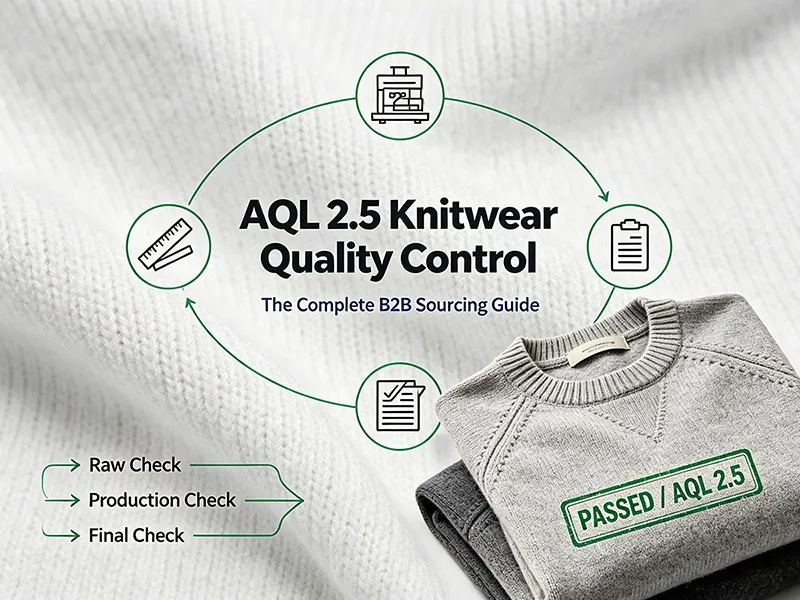
AQL 2.5 Knitwear Quality Control The Complete B2B Sourcing Guide
When Western apparel brands vet a knitwear supplier, the first question from the Sourcing Manager is almost always the same: "What AQL standard does your factory run?" For sweaters and knitwear—categories with notoriously high return rates—AQL 2.5 (Acceptable Quality Limit 2.5) isn't just a number. It's the benchmark brands use to gauge whether an OEM/ODM factory can deliver consistent bulk production or not. Here's the catch: knitwear doesn't behave like woven fabric. Woven goods have a fixed structure. Knits are built from interlocking loops, which means they stretch, shrink, torque, and distort in ways woven fabric never will. Whether you're running 2G chunky gauge or 30G ultra-fine, every step—hand-linking, loop attachment, steam pressing—can introduce drop stitches, holes, or dimensional drift. That structural complexity is exactly why knitwear QC demands a strict, quantitative inspection protocol. Table of Contents Knitwear Defect Matrix: The Three-Tier AQL Standard Knitwear Defect Classification: Critical, Major & Minor AQL Sampling Table for Apparel: ISO 2859-1 Level II Guide 4 Essential On-Site Quality Tests for Knitwear Inspection How We Ensure AQL 2.5 Compliance: JM Sweater QC System Knitwear Quality Control Sourcing FAQ OEM/ODM Knitwear Manufacturing with AQL 2.5 Compliance 1. Knitwear Defect Matrix: The Three-Tier AQL Standard Defect Class AQL Standard Tolerance Ceiling Typical Knitwear Defects Commercial Impact Critical AQL 0 Zero tolerance (0%) Needle fragments/metal residue, severe mold, drawstring safety violations (childrenswear) Fines, full batch recall, customs seizure Major AQL 2.5 Core control (≤ 2.5%) Drop stitch/holes, seam bursting, excessive spirality, out-of-tolerance dimensions End-consumer returns, brand reputation damage Minor AQL 4.0 Moderate allowance (≤ 4.0%) Untrimmed threads (5–10mm), minor yarn knots in concealed areas, slightly skewed hangtags Cosmetic only; does not affect wearability 2. Knitwear Defect Classification: How Inspectors Draw the Line During bulk inspection, correctly classifying a defect as Critical, Major, or Minor is the entire ballgame. Knitwear's unique loop structure and multi-stage processing (flat-bed knitting, hand-linking, steam setting) mean defect classification follows clear industry definitions: 2.1 Critical Defects — AQL 0: Zero Tolerance These carry legal liability, safety hazards, or render the product completely unsellable. Under any AQL inspection system, one single Critical defect in the sample = unconditional batch rejection (Fail). Knitwear-specific examples: Needle fragments or metal residue left in seams, severe mold growth, drawstring safety violations (e.g., non-compliance with CPSC regulations), excessive restricted substances. 2.2 Major Defects — AQL 2.5: The Buyer's Primary Control Point These directly compromise wearability, structural durability, or visual appeal—the kind of defects that drive end-consumer returns. During bulk sampling, the total count of Major defects must stay within the AQL 2.5 acceptance number (Ac). Knitwear-specific examples: Drop stitch defect in sweaters / holes, broken stitch at hand-linking seams, barre (horizontal banding), spirality/torque beyond tolerance, chest width or body length falling outside dimensional tolerances. 2.3 Minor Defects — AQL 4.0: Workmanship Details These don't affect performance or overall appearance. The average consumer won't return a garment over them. Knitwear-specific examples: Exposed untrimmed threads (5–10mm), small yarn knots in non-structural concealed areas, slightly skewed hangtags or care labels, minor surface stains that can be wiped off. 3. AQL Sampling Table for Apparel: ISO 2859-1 Level II in Practice During Final Random Inspection (FRI), the AQL sampling table (based on ISO 2859-1 / ANSI/ASQ Z1.4) is the legal document both buyer QC and factory use to determine whether a shipment clears for export. 3.1 Why Level II Is the Global Default ISO 2859-1 defines three general inspection levels: Level I (Reduced): Smaller sample size. Only suitable for long-term partners with rock-solid quality history. Higher risk for the buyer. Level III (Tightened): Larger sample, significantly higher inspection cost and time. Reserved for high-risk products or production lines with a history of quality failures. Level II (Standard): The global default for apparel and knitwear export. It strikes the best balance between sampling cost and statistical risk control, which is why Western buyers overwhelmingly specify it. 3.2 AQL 2.5 (Major) / 4.0 (Minor) Sampling Reference Table for Knitwear The most commonly referenced data card for sweater and knitwear bulk procurement under single normal sampling: Lot Size (pcs) Code Letter Sample Size (pcs) AQL 2.5 Major (Ac / Re) AQL 4.0 Minor (Ac / Re) 281 – 500 H 50 3 / 4 5 / 6 501 – 1,200 J 80 5 / 6 7 / 8 1,201 – 3,200 K 125 7 / 8 10 / 11 3,201 – 10,000 L 200 10 / 11 14 / 15 Note: Ac (Accept) = maximum allowed defective pieces (≤ this number passes). Re (Reject) = rejection threshold (≥ this number fails the entire lot). 3.3 Worked Example: 1,000-Piece Sweater Order A Western brand orders 1,000 wool-blend sweaters. A third-party inspector (SGS, Intertek, or brand QC) follows this on-site process: Step 1 — Determine sample size: 1,000 pcs falls in the 501–1,200 range → Code J → pull 80 pieces randomly from packed cartons. Step 2 — Confirm acceptance criteria: AQL 2.5 (Major): Ac = 5, Re = 6 (max 5 Major defects allowed) AQL 4.0 (Minor): Ac = 7, Re = 8 (max 7 Minor defects allowed) AQL 0 (Critical): Ac = 0, Re = 1 (zero tolerance) Step 3 — Verdict: Pass scenario: 3 Major (drop stitch/broken seam) + 4 Minor (untrimmed threads), zero Critical → Pass. Cleared for shipment. Fail scenario: 6 Major (seam bursting/dimensional deviation), even with only 1 Minor → Fail. Factory must 100% re-screen, repair, and apply for re-inspection. 4. Essential On-Site Quality Tests for Knitwear Inspection When executing an AQL 2.5 knitwear inspection, beyond standard appearance and construction checks, inspectors must perform these four tests specific to knitwear's elastic, distortion-prone nature: 4.1 Flat Relaxation & Dimensional Measurements Knitted fabric deforms under carton-packing stress. Before measuring, samples must be laid flat without tension and allowed to relax for 1–2 hours until the loop structure naturally rebounds and stabilizes. Measuring immediately after unpacking—especially with any pulling—will trigger false Out-of-Tolerance readings. 4.2 Spirality / Torque Calculation Yarn twist and weft-knit loop structure cause garments to skew after washing or wear (torque). To measure, lay the garment flat, then measure the offset distance of the side seam from vertical and the total seam length: Spirality %= Offset Distance / Seam Length ×100% Western buyers typically cap spirality at 3%–5%. Anything beyond that is classified as a Major defect. 4.3 Seam Stretchability & Recovery Test Necklines, cuffs, and hand-linking seams endure significant tension during wear. Inspectors must stretch these seams firmly, checking for broken stitch (seam bursting), and observe whether the seam recovers its original shape without puckering. 4.4 Needle Detection Protocol Needle fragments are an AQL 0 Critical defect. All garments exported to Western markets (especially childrenswear and infant knitwear) must pass 100% through a needle detector before packing. During inspection, verify the factory's detection records and run a live pass-through to confirm zero needle or ferrous fragment residue. 5. How JM Sweater Ensures AQL 2.5 Compliance: Our Quality Control System At JM Sweater, we operate on a simple principle: quality is built into production, not inspected in at the end. To consistently meet or exceed AQL 2.5 for every bulk shipment, we embed QC across the entire workflow—from yarn to packed carton. 5.1 Automated Knitting & Gauge Control (2G–30G Precision Manufacturing) We run German STOLL and Japanese Shima Seiki computerized flat-bed machines, with WHOLEGARMENT seamless 3D knitting capability. Digital tension control systems eliminate uneven loop tension at the source, dramatically reducing barre, drop stitch, and laddering—the Major defects that plague lesser factories. 5.2 In-Process Inspection & 100% Light-Box Panel Check Before Linking Before panels enter hand-linking, our inspection team performs a 100% light-box check on every knitted panel. Holes and drop stitches are intercepted at the semi-finished stage. Defective panels never reach the next operation. 5.3 Steam Pressing & Dimensional Stability Control Knitwear shrinks and distorts. After sewing, we use steam-setting pressing to precisely control shrinkage and spirality, locking chest width, body length, and other critical dimensions within AQL tolerance when measured flat and relaxed. 5.4 Final Random Inspection (FRI) & 100% Needle Detection Before packing, every garment passes 100% through a needle detector—eliminating the Critical defect risk of needle fragments. Senior QC then executes AQL 2.5/4.0 Final Random Inspection strictly per ISO 2859-1 Level II. Only passing lots get packed and shipped. 6. Sourcing FAQ Q1: What happens if bulk production fails AQL 2.5? If Major defects reach or exceed the Reject number (Re), the entire lot is failed. The factory must perform 100% re-screening and sorting—identifying and repairing every defective piece. After rework, the lot is re-packed and submitted for re-inspection. Only after passing a second AQL 2.5 inspection can it ship. Q2: Can buyers request a stricter AQL 1.5 standard? Yes. For high-purity cashmere, ultra-fine gauge sweaters, or luxury orders, buyers often specify AQL 1.5 or even AQL 1.0. Stricter standards mean lower defect tolerance and higher scrutiny. Factories must invest more labor hours in knitting, linking, and QC patrol—typically resulting in a reasonable 5%–15% increase in production cost and unit price. Q3: Is AQL 2.5 dimensional tolerance measured before or after wash? FRI measurements under AQL 2.5 are always taken on the final delivered garment in flat, relaxed condition against the spec sheet. Factories already calculate and compensate for shrinkage during knitting and steam setting. If the buyer requires wash-shrinkage testing (standard tolerance: ±3% to ±5%), that test is performed separately during the PP Sample approval stage. 7. Start Your Next Knitwear Program: OEM/ODM Manufacturing with AQL 2.5 Compliance In knitwear sourcing, consistent quality shouldn't depend on luck. It comes from a standardized, quantitative production and QC system. As a specialized custom OEM ODM knitwear manufacturer, JM Sweater applies AQL 2.5/4.0 standards across the entire workflow—from 2G–30G yarn knitting and hand-linking to pressing and packing. Whether you're developing a new knitwear collection or looking for a manufacturing partner with stable quality and transparent delivery, our engineering and QC teams are ready to support you: Get a custom production plan and quote: [Contact Our Engineering Team] to start knitwear development and bulk production fully aligned with AQL 2.5 acceptance standards. Request samples and QC report references: [Submit Inquiry / Contact Us] to receive PP Sample documentation and a sample AQL FRI Report template. Transparent international-standard quality control—protecting your brand reputation and your bulk delivery.
view more