
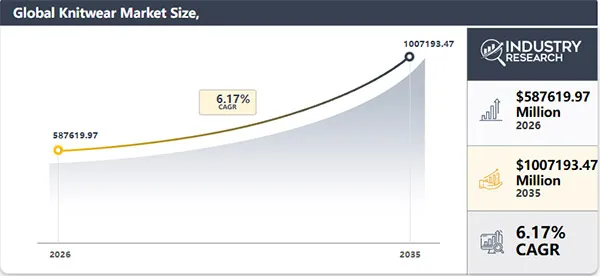
Sweater Manufacturer demand is rising as the global knitwear market is projected to surpass $1 trillion by 2035, with demand for high-quality sweaters continuing to grow. But for brand founders, capturing this growth isn't easy.
Let’s cut the flattery. Finding a sweater factory isn’t about winning a lowball bidding war. In my experience, the cheapest quote usually comes with hidden costs: missed ship dates, inconsistent sizing, pilling after two washes, and a communication blackhole that makes you want to pull your own hair out.
Smart sourcing isn’t about price. It’s about finding a manufacturing partner that’s responsive, transparent, and technically competent.
Even if you don’t have a technical designer on staff or a fully built-out tech pack, you can screen factories quickly using these four core criteria. Here’s exactly how.
1. Hardware & Process: What’s Actually on the Floor
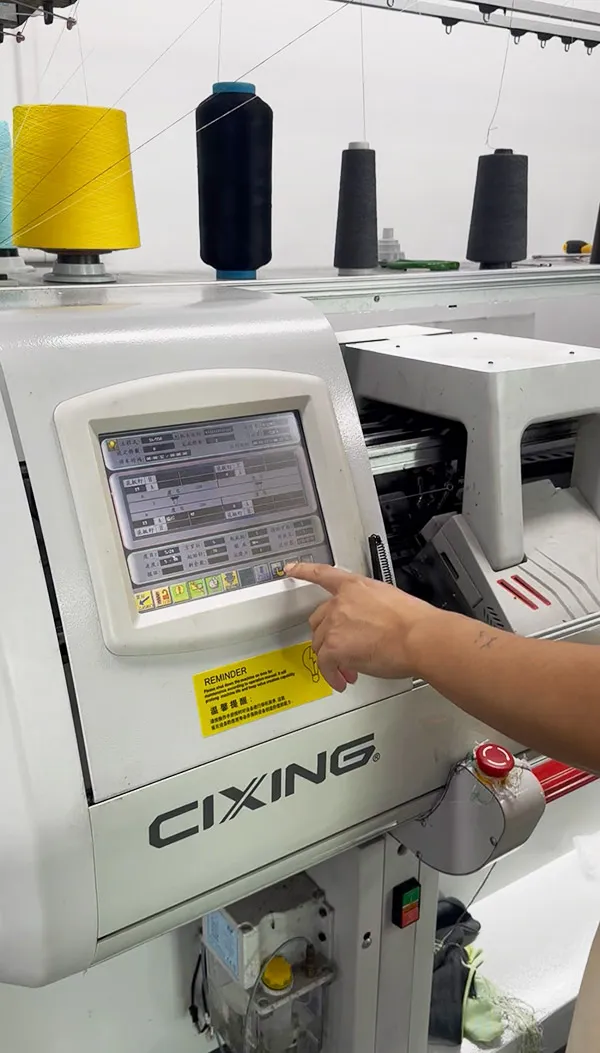
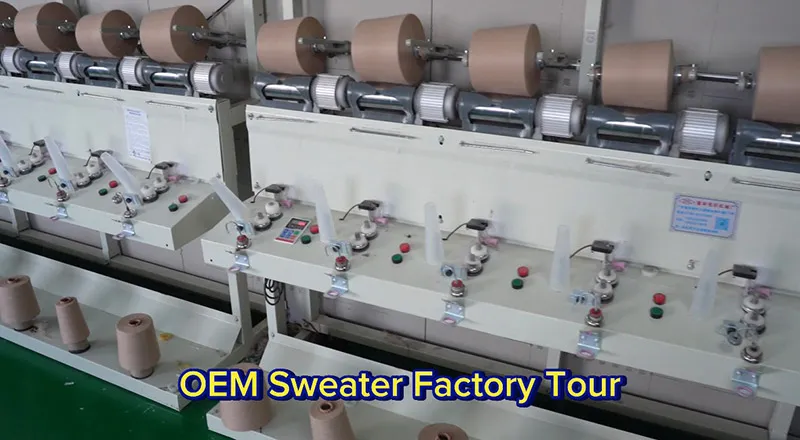
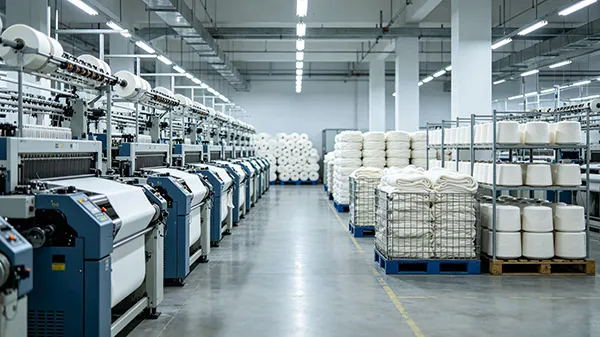
Forget the glossy sales pitch. A factory’s real capability comes down to two things: the knitting machines they run and how they stitch the pieces together.
Gauge (GG) Selection & Machine Capability
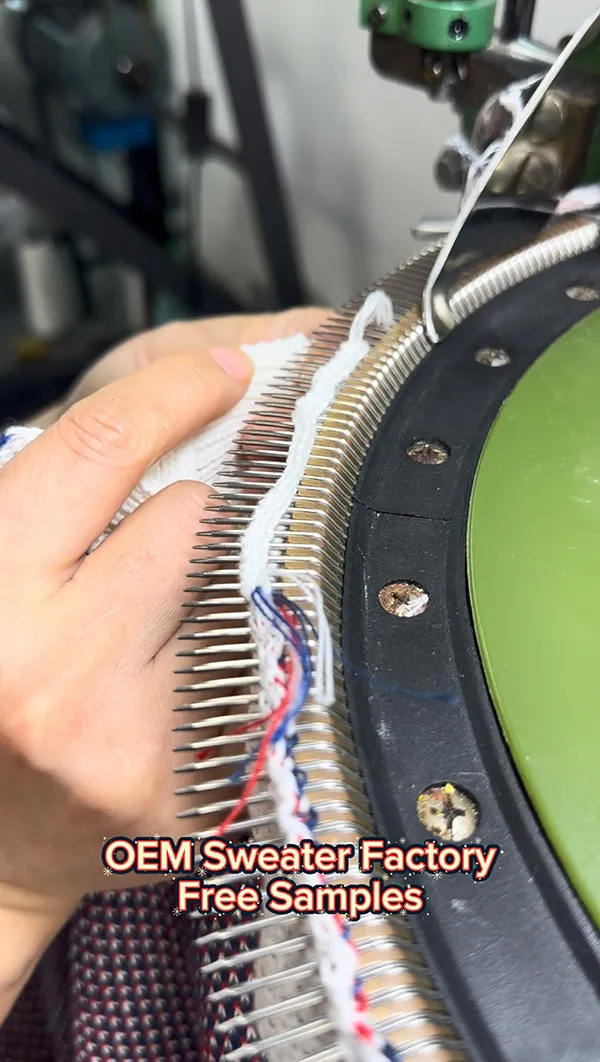
Gauge refers to the number of needles per inch on the knitting bed. Higher GG = finer, lighter fabric. But here’s the catch: a factory needs the native machine for each gauge. You’re looking for STOLL (Germany) or SHIMA SEIKI (Japan) equipment, not knockoffs.
Here’s how the gauges break down:
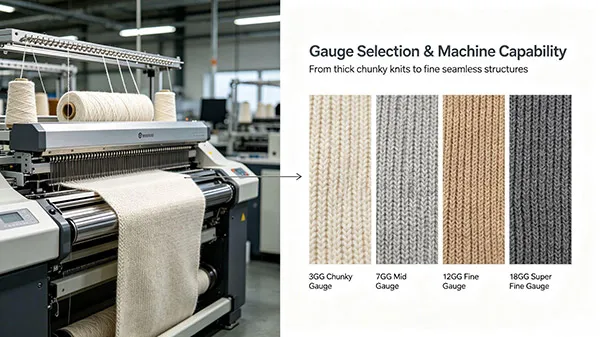
- Coarse Knit (3GG – 5GG): Heavyweight fall/winter sweaters, cable knits, cardigans. This gauge tests a factory’s tension control on wide-gauge beds.
- Mid-Gauge (7GG – 9GG): Your bread-and-butter spring/fall styles. This is the volume sweet spot. The key metric here is stitch uniformity across bulk production.
- Fine & Superfine (12GG – 18GG): Base layers, fine merino, and cashmere blends. This is where the factory’s climate control and finishing processes get scrutinized. Temperature and humidity swings wreck fine-gauge production.
The Joining Process: What Determines Garment Durability
This is the single biggest differentiator between a premium sweater and fast-fashion garbage.
- Hand-Linking (Looping): Each stitch from the knitted panels is looped onto a linking machine, one by one. The result? Seams that are flat, elastic, and almost invisible against the skin. This is how you build garments that last.
- Cut-and-Sew (Overlock): The cheaper, faster route. Panels get cut with scissors and stitched together with an overlock machine. The seams are bulky, have zero give, and will start fraying at the edges after a few wash cycles.
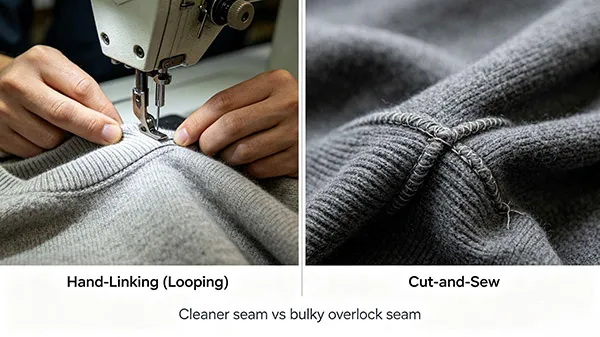
Bottom line: if you’re selling a premium product, hand-linking is non-negotiable. If you’re chasing ultra-low cost, just know the trade-offs.
2. Decoding MOQ: How to Test the Waters Without Breaking the Bank
Here’s a truth most brand founders learn the hard way: the MOQ bottleneck usually isn’t the factory’s knitting machines. It’s the dye house.
Most mills set dye-lot minimums at 100–300 kg per color. That translates to roughly 300–1,000 finished garments, depending on weight.
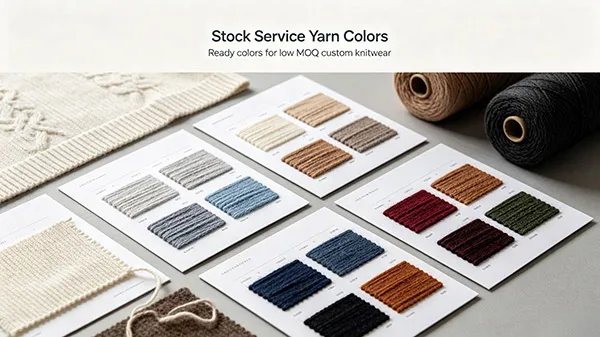
So how do you get started with 100–200 pieces? Stock service yarns.
Stock Service vs. Custom Dyeing
If you insist on a specific Pantone match, be prepared to pay for custom dyeing—and wait an extra 2–3 weeks for lab dips and strike-offs.
But if you’re willing to work from the factory’s stock yarn color cards, everything changes.
| Criteria | Stock Service Yarns | Custom Dyeing |
|---|---|---|
| MOQ | Low (100–200 pcs/design) | High (300–1,000+ pcs/design) |
| Lead Time | Fast (3–7 days for strike-offs) | Slow (adds 2–3 weeks for color development) |
| Risk | Low—test multiple colors easily | High—you’re sitting on leftover yarn |
3. Sampling Without a Tech Pack & Rigorous Quality Control
A good OEM/ODM factory is essentially a development partner. They don’t need a perfect tech pack to start working with you.
How to Kick Off Sampling
Send them any one of these:
- High-res reference images or sketches—clearly mark the silhouette and pattern details you want.
- A physical sample garment—this is the gold standard. Even if it’s the wrong fabric or a different brand, they can reverse-engineer the measurements and build a new pattern from it.
The Three Critical Samples Before Production
Don’t skip these. Each one protects you from expensive mistakes.
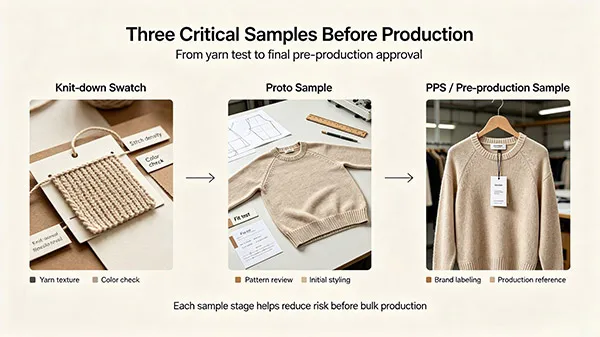
- Knit-down (Yarn Swatch): This is your first sanity check. It confirms the actual yarn hand-feel, the true color, and how the stitch pattern renders. Approve this before the factory cuts a single panel.
- Proto Sample (First Fit Sample): This is your first look at actual garment silhouette and construction. Check the fit, the drop, the armhole depth. This is where you catch pattern issues.
- PPS (Pre-Production Sample): This is the non-negotiable gatekeeper. The PPS must be made with 100% production yarn, trims, and finishing processes. That means the same dye lot, the same wash, the same steam-setting. Do not—under any circumstances—authorize bulk production without a signed-off PPS in hand.
The Quality Benchmarks That Matter (AQL 2.5)
Hold your factory to these three metrics during the final inspection:
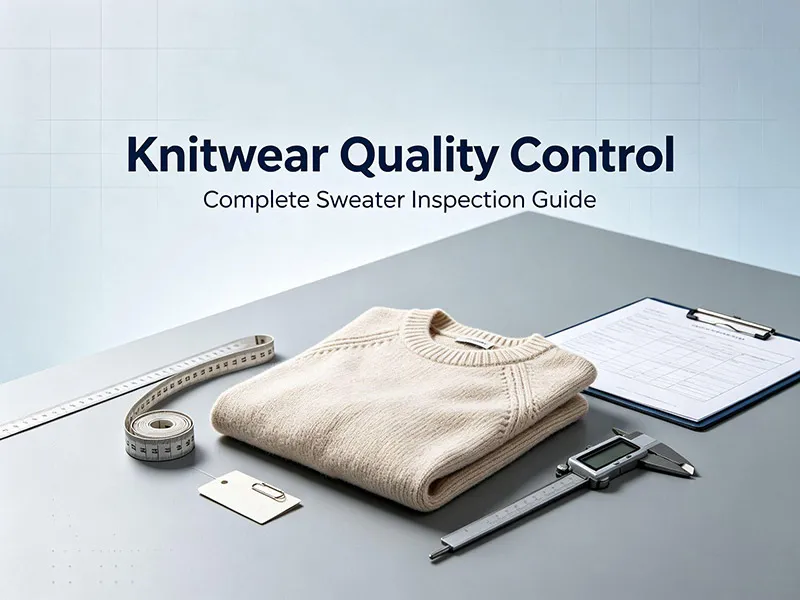
- Size tolerance: Within ±1.5 cm of the spec sheet.
- Pilling resistance: ISO/AATCC rating of 3–4 or higher. Anything below that and your customers will complain within weeks.
- Washing shrinkage: Must fall within ±3% to ±5% after the standard wash-and-set finishing process.
4. Sending a Smart RFQ & Spotting Supplier Red Flags
You don’t need a novel. You need a concise, information-rich inquiry that gets you a real quote on the first pass.
The Four Components of a High-Conversion RFQ
Include these four elements, and you’ll get a useful response—not a generic brochure.
- Estimated quantity: Total pieces AND breakdown per color. (Example: 200 total, 100 pcs in Navy, 100 pcs in Charcoal)
- Visual reference: Either a high-quality photo or simply state: “Sample garment available for shipping.”
- Yarn & gauge preferences: Be specific. (Example: “7GG mid-gauge, cotton-blend, using your stock service yarns.”)
- Target market & delivery deadline: (Example: “US market—must hit warehouse by October 15th.”)
Factory Red Flags: Three to Walk Away From
I’ve seen these patterns repeat across dozens of factory audits. If you hit any of these, keep looking.
- Slow sampling response: If they can’t turn a proto sample around on time, they’re telling you—loudly—that they can’t manage production schedules. Bulk will be worse.
- Pushing custom dyeing exclusively: If they refuse to show you a stock yarn color card and insist on high-MOQ custom dyeing, they don’t have a service model for emerging brands. They’re still hunting whales.
- No industrial steam-setting equipment: If they’re finishing sweaters with a hand iron instead of a proper steam tunnel or press, your garments will shrink and deform after the customer’s first wash. That’s a chargeback waiting to happen.
Final Take: Build a Supply Chain, Not a One-Off Deal
Choosing a knitwear factory isn't a transaction. It’s the foundation of your brand’s supply chain.
The playbook is simple:
- Use stock service yarns to de-risk your initial order.
- Lock down your PPS before bulk production starts.
- Send a tight, data-driven RFQ to filter out time-wasters.
Do that, and you’ll operate like a seasoned sourcing pro—regardless of your team’s size.
Ready to Skip the Sourcing Headaches?
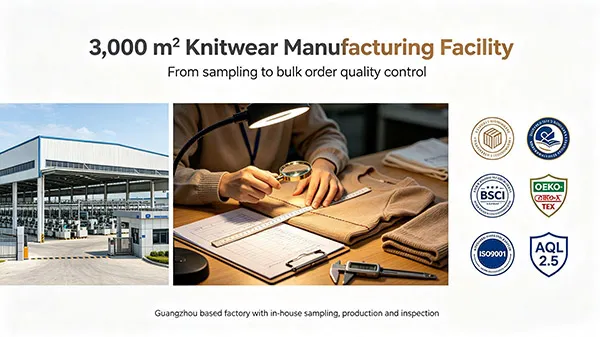
Finding a knitwear partner who balances flexible MOQs, rigid quality control, and transparent communication shouldn’t feel like a gamble.
At JM Sweater (Guangzhou Junma Apparel Co., Ltd.), we’ve spent 21 years perfecting custom knitwear manufacturing for growing global brands. With a 3,000 m² facility and annual capacity of 1.2M garments, we bridge the gap between high-end craftsmanship and flexible production—whether you need low-MOQ stock yarn development or full-scale OEM/ODM runs.
Need help reviewing a Tech Pack or calculating yarn yield?