

Leading China Factory
Streetwear Distressed Mohair Oversized Sweater Manufacturer
Streetwear distressed mohair oversized sweaters are crafted using textured yarns and advanced knitting techniques to achieve unique finishes and relaxed silhouettes. As a professional factory, we develop custom knitwear for fashion brands, combining mohair blends, distressed effects and oversized fits. Our production supports creative streetwear collections with flexible development and consistent bulk manufacturing quality.
- Home
- Custom Men's Sweater
- Streetwear Knitwear / Urban Oversized Sweaters
Custom Men's Sweater
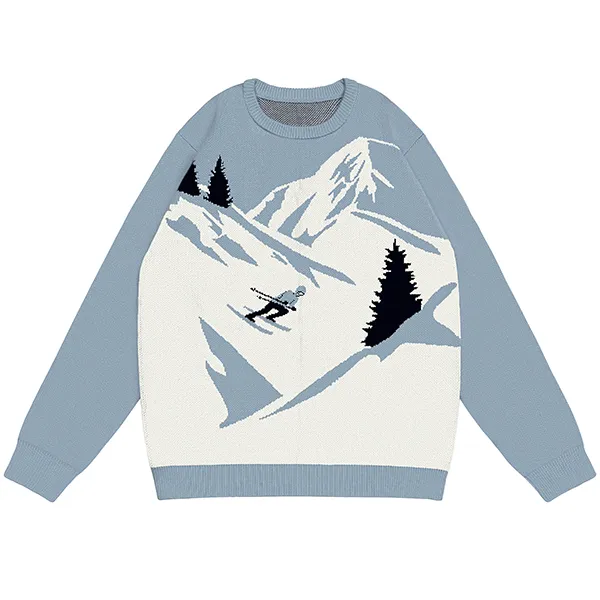
Ski Mountain Winter Scene Jacquard Knitted Pullover Sweater OEM Manufacturer Relaxed Fit Graphic Crewneck Jumper
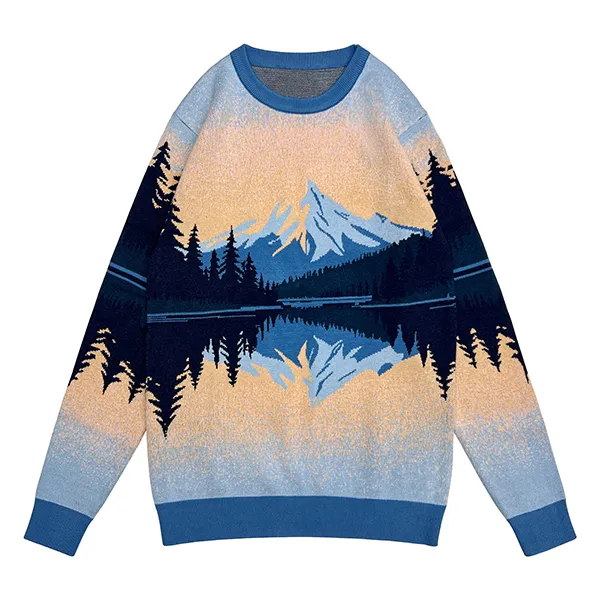
Scenic Mountain Jacquard Knit OEM Crewneck Sweater Manufacturer Relaxed Drop Shoulder Outdoor Graphic Pullover Jumper
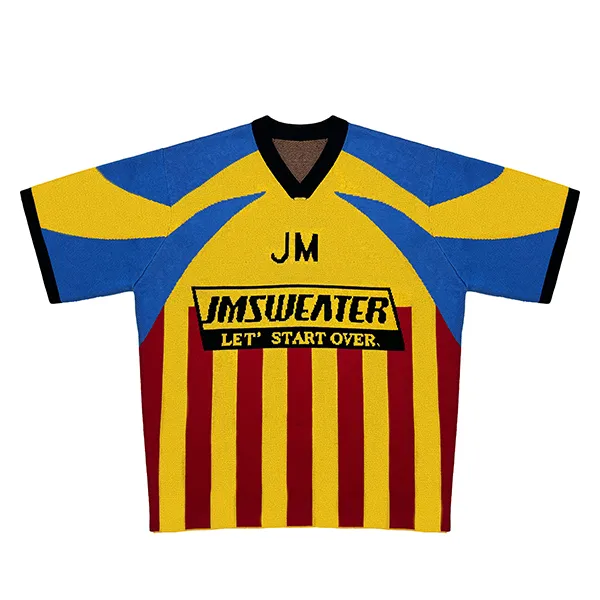
Short Sleeve V-Neck Color Block Stripe Knit Jersey T-Shirt with Graphic Text Pattern and Ribbed Trim OEM Manufacturer
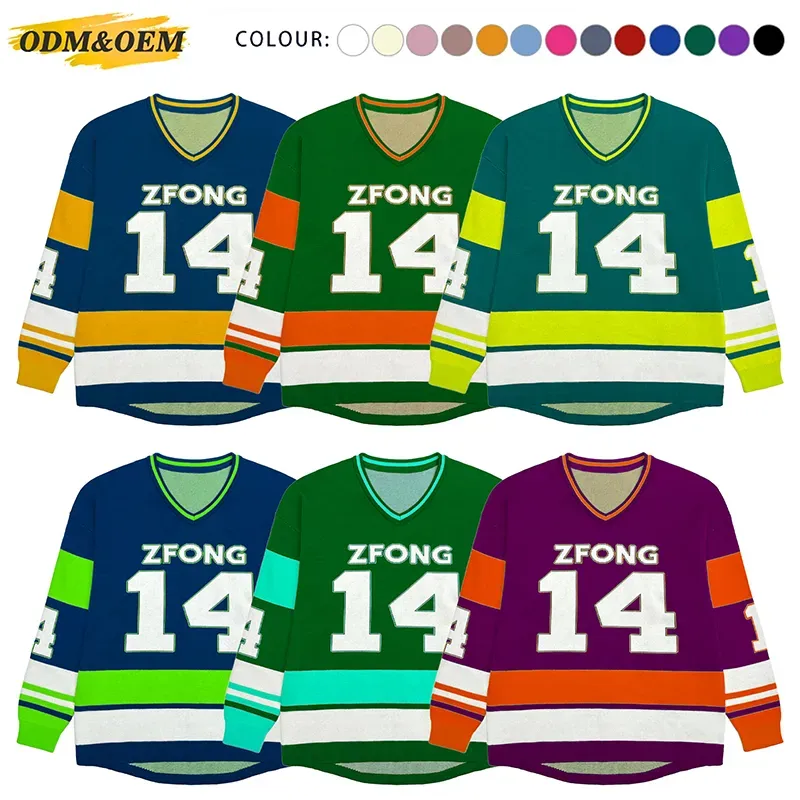
Varsity Sports Jacquard Sweater: Oversized Hockey Jersey Style Knitwear from Premium Manufacturer with Contrast Stripes
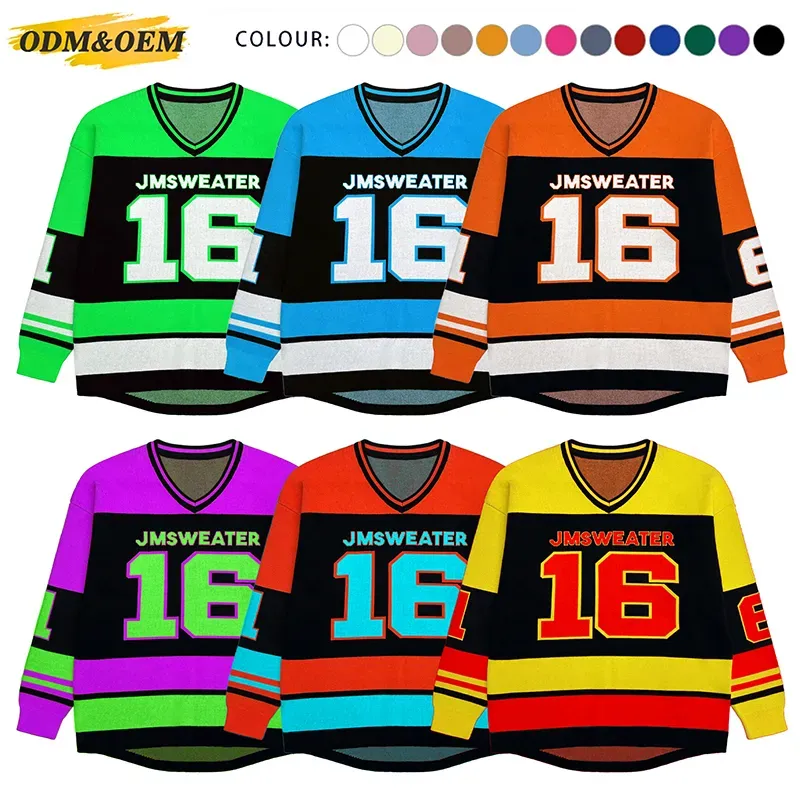
Varsity Sports Jacquard Sweater: Oversized Hockey Jersey Style Knitwear from OEM Manufacturer with Contrast Stripes
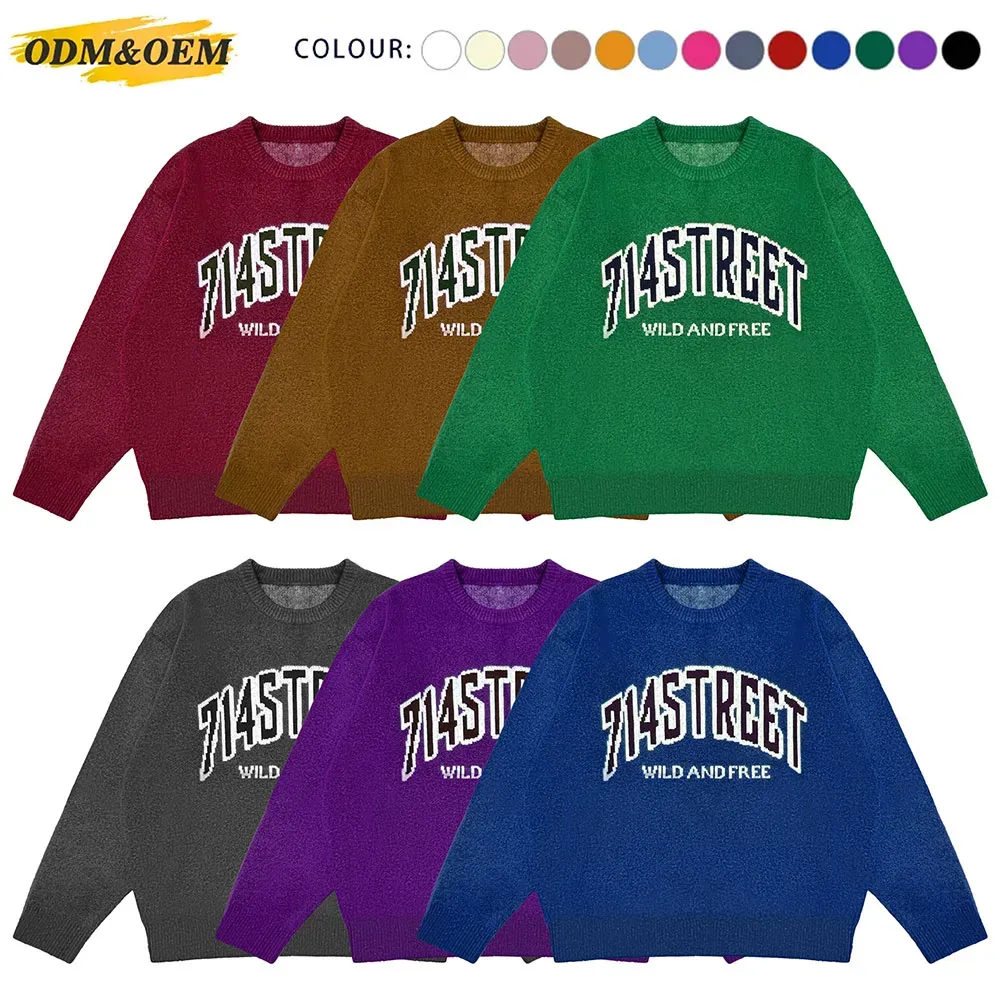
American Retro Jacquard Sweater from OEM Supplier: Chunky Crewneck Streetwear Pullover with Lettering & Drop Shoulder
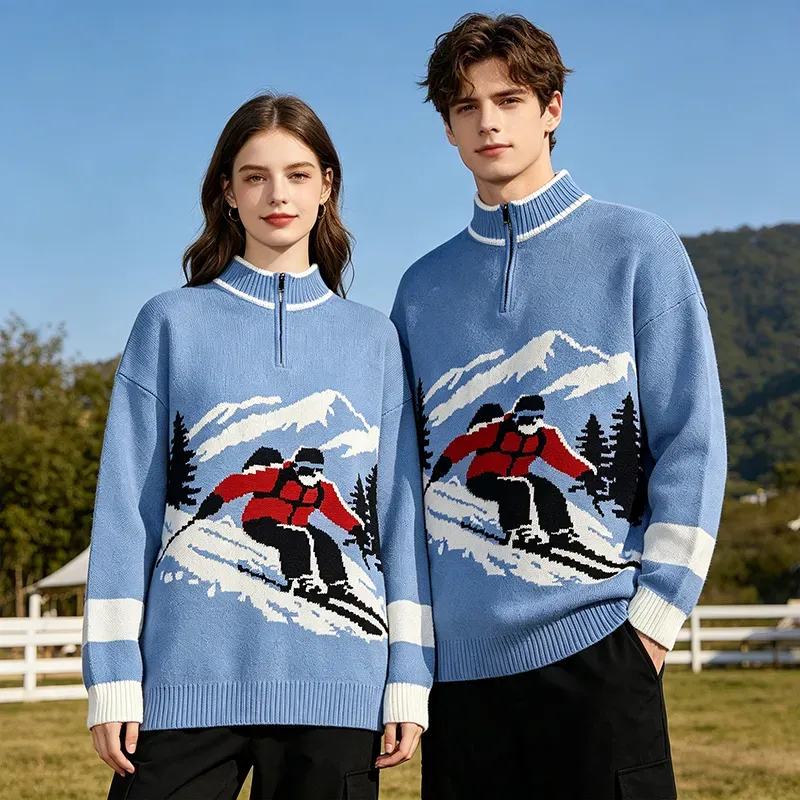
Alpine Skier Intarsia Quarter-Zip Sweater from Premium Factory: Relaxed Fit Graphic Mountain Motif Sporty Knit Jumper
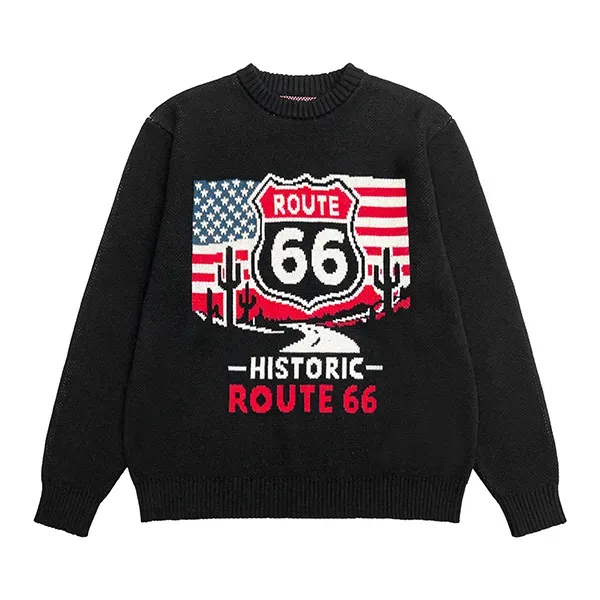
Vintage Route 66 Intarsia Knit from Premium OEM Manufacturer: Heavyweight 7GG Americana Streetwear Sweater
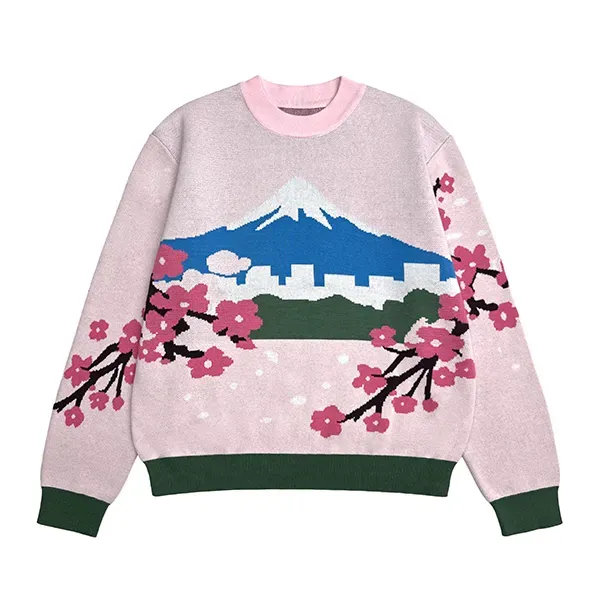
Aesthetic Snow Mountain Scenic Intarsia Knit from Premium Manufacturer: Heavyweight Streetwear Sweater
Manufacturing Process
-
Project Consultation
Tell us what you’re building. We’ll review your tech pack or ideas, clarify specs, and advise on fabrics, fit, minimums, and estimated costs—everything you need to get started with confidence. -
Sourcing Materials
Reliable sourcing tailored to your needs. We work with trusted fabric suppliers to source the best quality materials within your budget. Choosing in-stock fabrics can help reduce lead time significantly. -
Sample Making
Your first product, handcrafted. Our skilled sampling team will cut and sew your sample for fit testing, design verification, and internal evaluation before send to you for review. -
Proto Revisions
We fine-tune, you approve. Need changes? We’ll revise based on your feedback quickly—most projects only take 1–2 rounds thanks to our experience and attention to detail. -
Bulk Production & QC
Mass production with full quality control. Once approved, your design goes into production. Our QC team monitors each stage to ensure consistency, durability, and compliance with your standards. -
On-time Delivery
Reliable shipping, wherever you are. We coordinate the packaging, documentation, and logistics to ensure your order is shipped on time, whether by sea, air, or express courier.
Trending Knits
-
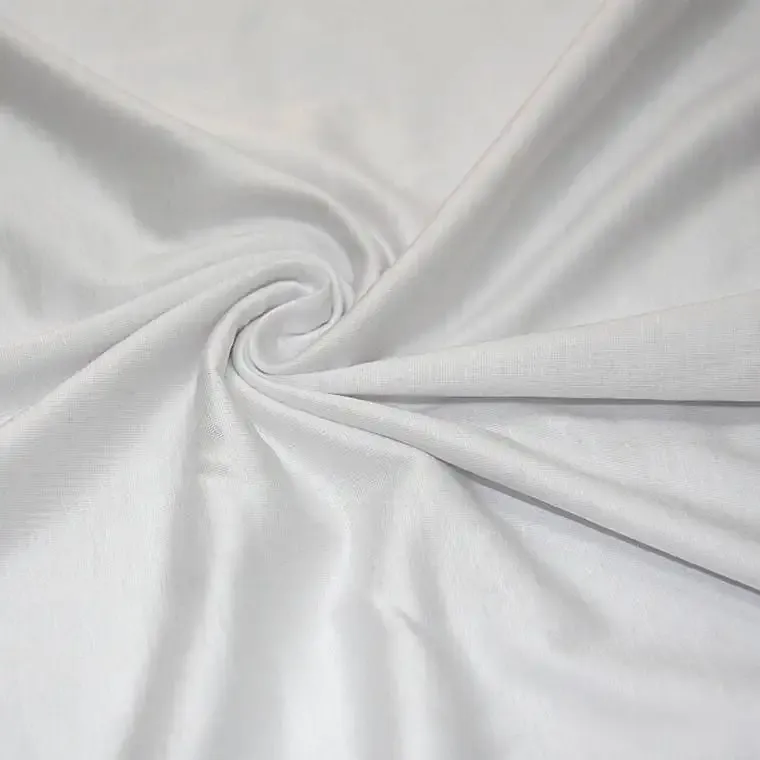
Double Mercerized Cotton
Our men's sweater factory utilizes premium cotton subjected to a dual-tension treatment. Upon expansion, its fibers exhibit a silky luster, boast a 20% increase in strength. Cool to the touch and highly breathable, it's the perfect foundation for creating luxurious, comfortable apparel.
-
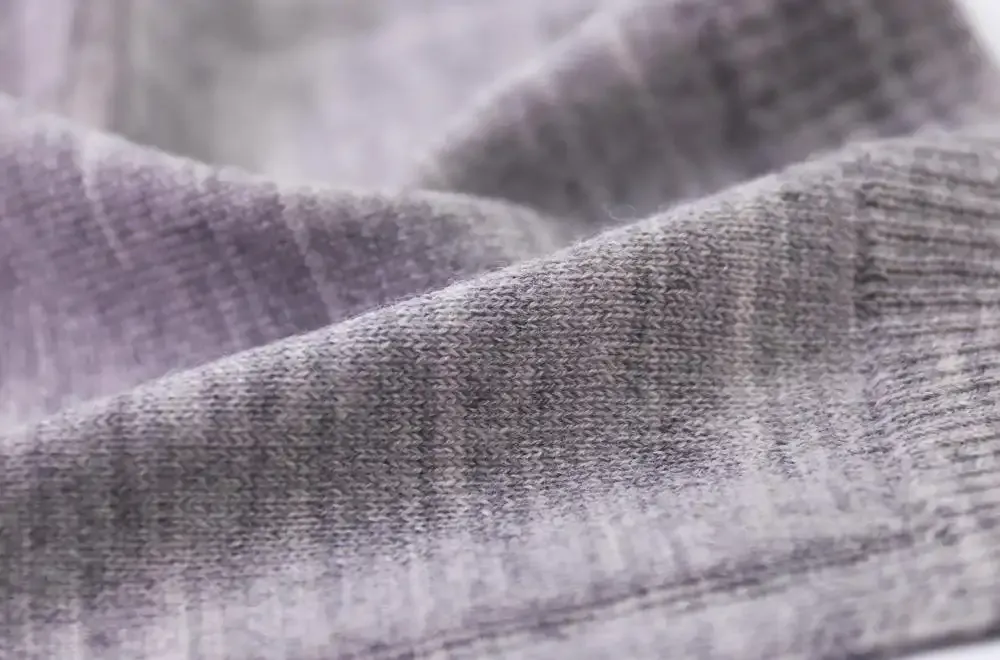
Superfine Merino Wool
We offer premium Merino wool treated with the Total Easy Care® process. As men's sweater manufacturers, we've eliminated itchiness by smoothing the fiber scales, while its natural crimp ensures elasticity and breathability—ideal for premium close-fitting knitwear.
-
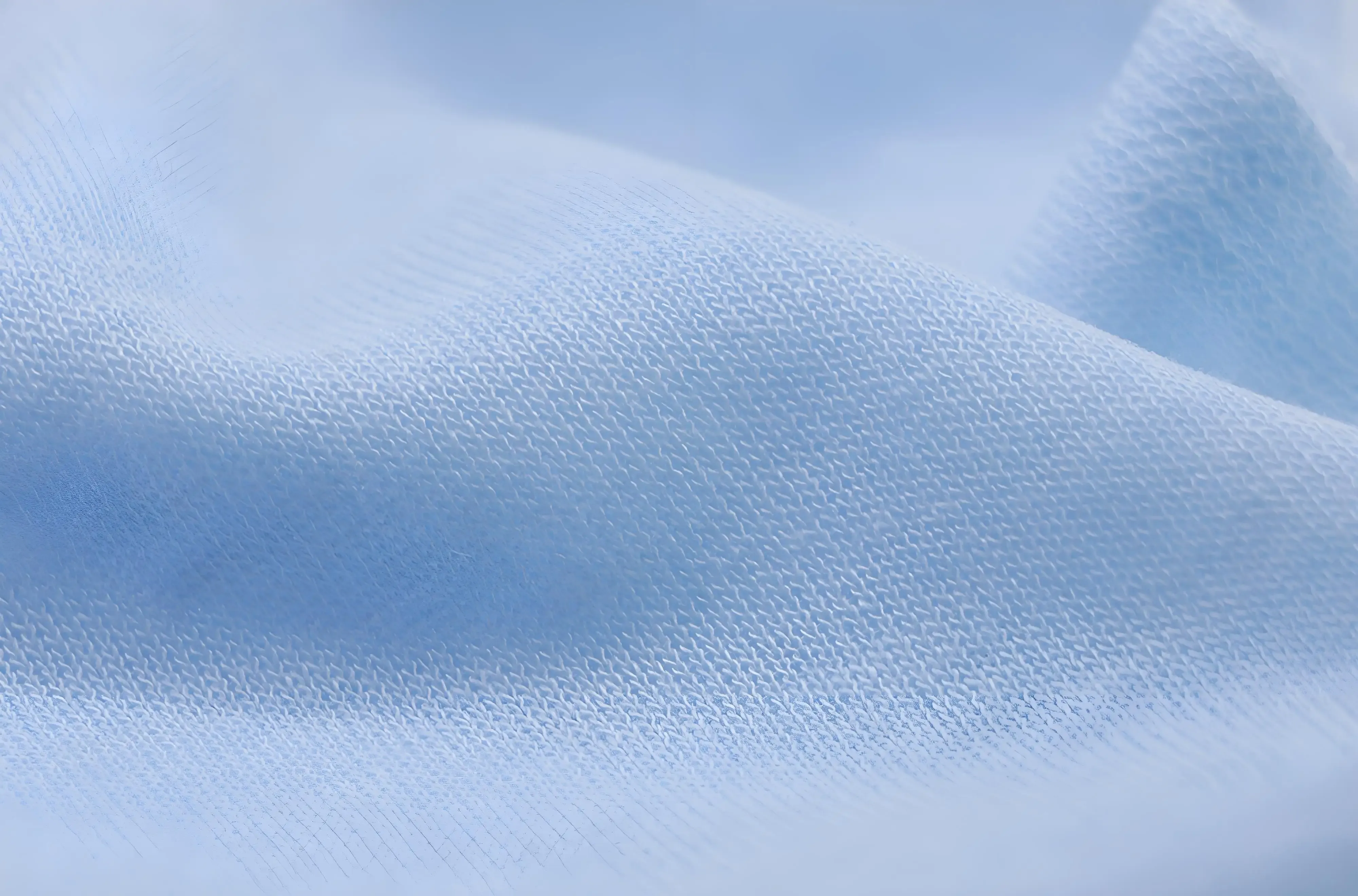
Anti-pilling Acrylic Blend
As a trusted men's sweater wholesale supplier, we offer an Anti-pilling Acrylic Blend that combines durability with easy care. This fiber resists pilling, retains vibrant color, and stays smooth wash after wash — a reliable choice that meets the demands of volume production.
Streetwear Knitwear & Urban Oversized Sweaters: Boxy Fit Production Guide
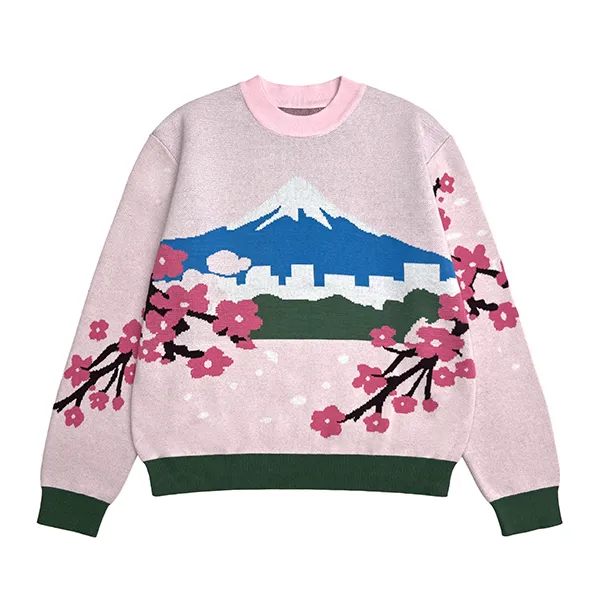
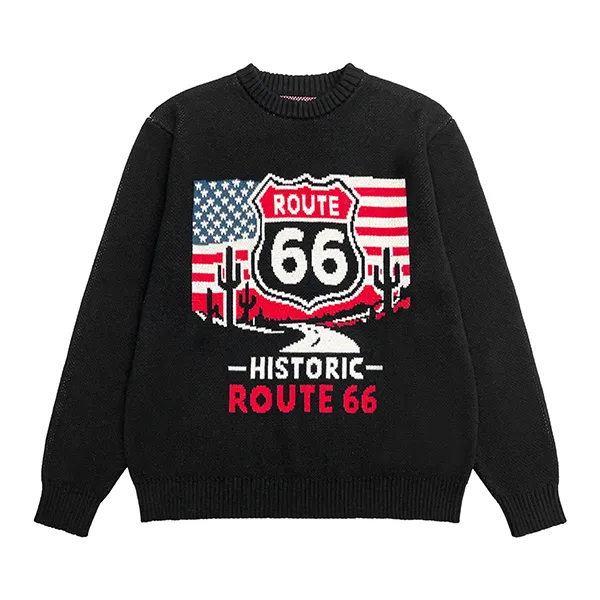
Look, I’ve been in the knitwear game as a profeshional sweater manufacturer for fifteen years. Dongguan, Guangzhou—I’ve run production lines for brands you’ve definitely heard of and startups that went bust before their second drop. And if there’s one thing I’ve learned, it’s this: streetwear knits look simple, but they’ll eat your margin alive if you don’t respect the physics.
Let’s cut the marketing fluff. Urban oversized sweaters—3GG, 5GG, boxy cropped cuts—they’re not just “bigger versions” of your dad’s crewneck. Get the drop shoulder wrong and that 800-gram monster stretches two inches on the hanger within three days. Your overseas buyer flags it, the QC report comes back, and you’re eating air freight both ways. Been there, paid the invoice.
So here’s the real talk—from sampling to bulk, no theory, just the scars.
I can’t count how many design packs land on my desk where the spec sheet is literally a size Large with +2cm added everywhere. That’s not a fit. That’s a tent.
The urban boxy silhouette—the one that sells—runs on three numbers: chest, shoulder drop, and body length. Mess with one without adjusting the other two and the whole thing collapses.
Drop Shoulder: Where Gravity Fights Your Seam
Drop shoulder means the shoulder seam sits 12 to 18 cm down the arm. On a 3GG heavyweight sweater—we’re talking L-size that scales at 720g minimum—that’s a serious load hanging off two seams. Without reinforcement, two things happen:|
Horn effect—that ugly little bump that pops up at the shoulder point like a tent pole.
Progressive stretch—the garment creeps longer every time it’s hung. After a week in a store display, it’s a dress.
What works on our floor: Mobilon tape—high-elasticity anti-stretch webbing—embedded into the back shoulder seam and armhole junction. Not stitched on top. Embedded. And we double-needle the shoulder attachment on the Stoll 530 programming to distribute the hang weight. Takes an extra forty seconds per piece. Worth every second.
Standard US L: chest 112–116cm, length 74–76cm, weight 400–500g. That’s a standard sweater.
Urban boxy L: chest 126–134cm, length 68–72cm. Wider, shorter, heavier.
Here’s the factory reality—if your L-size sample doesn’t hit at least 720 grams on the scale, the chest won’t hold its shape. The yarn needs mass to drape with that architectural stiffness. 3GG or 5GG, no shortcuts. Anything under 650g and you get a limp, sad sweater that hugs the belly instead of standing off the body.
Return #1 reason from overseas buyers? Collar stretched into a potato-sack opening after three wears.
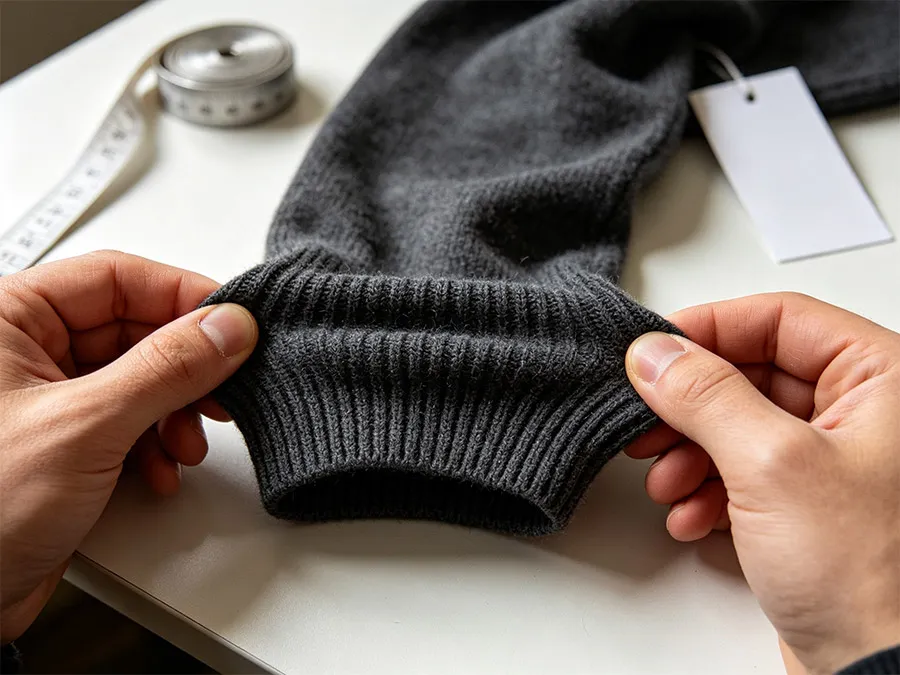
We run 1x1 or 2x2 thickened ribs on collar and hem—and here’s the non-negotiable: 70D or 100D spandex covered yarn knitted directly into the rib structure, not just added in finishing. Post-wash recovery test at 500 stretches cycles—we hold 95%+ every time. Anything less and you’re fielding complaints from Berlin to Brooklyn.
| Yarn Blend | Gauge Match | Key Advantage | Production Pain Point + Factory Fix |
|---|---|---|---|
| 100% Combed Cotton | 3GG / 5GG | Crisp stitch definition, vintage workwear weight | Stretches in wet wash → flat-bed dry + heat-set at 85°C to lock dimensions |
| Mohair Blend | 3GG / 7GG | Signature fuzzy halo, premium texture | Shedding + pattern blur → 2 light brushing passes + softener bath (no over-brush) |
| Cotton-Acrylic 50/50 | 5GG / 7GG | Cost-effective, strong for complex jacquards | Cardboard-stiff handfeel → 15-min cationic softening bath at 40°C |
Streetwear knits live and die by texture, but every fiber mix brings its own production hurdles.
100% Combed Cotton (3GG/5GG): Delivers crisp stitch definition and a vintage American workwear weight. However, heavy pieces (800g+) raise air freight costs and stretch during wet wash—we flat-bed dry and heat-set at 85°C to lock dimensions.
Mohair Blend (3GG/7GG): Gives that signature fuzzy halo effect. To control shedding and protect jacquard patterns, we run two to three light passes on the brushing machine followed by a softener bath, rather than aggressive over-brushing.
Cotton-Acrylic 50/50 (5GG/7GG): The cost-effective workhorse for complex jacquards. To prevent the cardboard-stiff handfeel typical of synthetic blends, we run a 15-minute cationic softening bath at 40°C to keep the fabric plush yet structured.
Designers send me mood boards with holes, abrasions, brushed surfaces. They think it's destructive chaos. It’s not. It’s engineering.
Intarsia vs. Jacquard – Choose Wrong, Cry Later
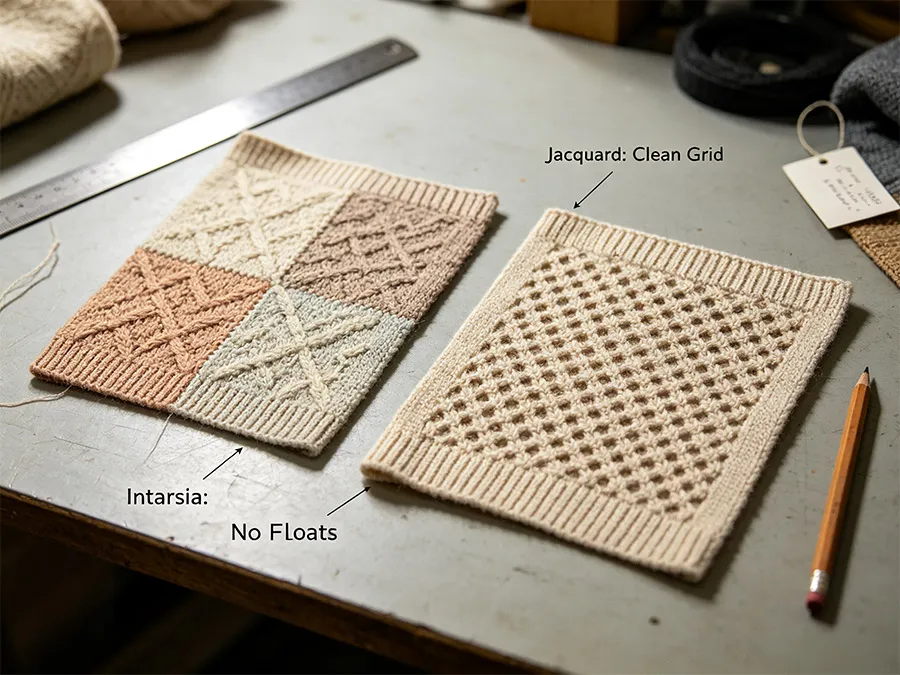
Big graphic panels—think a logo block across the chest. Young brands spec single-jersey jacquard because it's cheaper. Then the back of the sweater looks like a bowl of spaghetti—floating yarns everywhere. Customer puts it on, their watch catches a float thread, and the whole structure pulls.
Our rule:
Hard-edged color blocks: Intarsia. No floats on the reverse, single-layer thickness, retains vertical stretch. Yes, it’s slower to knit. Yes, it costs more. But the wearability is night and day.
Photographic or complex multi-color imagery: Double-bed jacquard (full-needle). Reverse side has a clean, grid-like backing—doubles the fabric density and adds that structural heft that says "this is a serious garment."
Ripped effects get called "random" in design briefs. But if you cut yarns randomly, the whole thing unravels into a disaster.
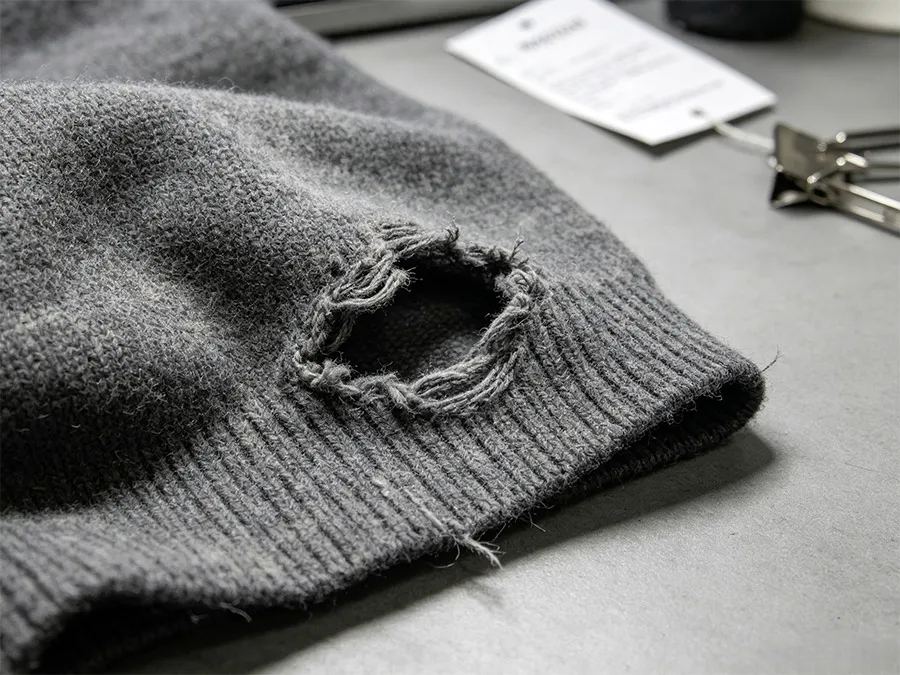
We do two levels:
Knitted-in distressing: Programmed tuck and drop stitches directly in the Cixing 142 or Stoll CAD. Creates controlled holes and laddering at collar edges, cuffs. The edges are locked—they won't run.
Post-knit distressing: After wash, hand-finishing crew uses angle grinders with special metal abrasives on seams and high-wear zones. Then the whole garment hits the wash cylinder with pumice stones for a mineral wash. You get that graduated, vintage fade that looks organic—but it's a controlled process. Every piece gets checked for structural integrity. No holes where they shouldn't be.
After knitting and washing, the sweater goes through the brushing machine—metal pin rollers or teasel rods. This lifts the surface fibers to create that soft, hazy halo.
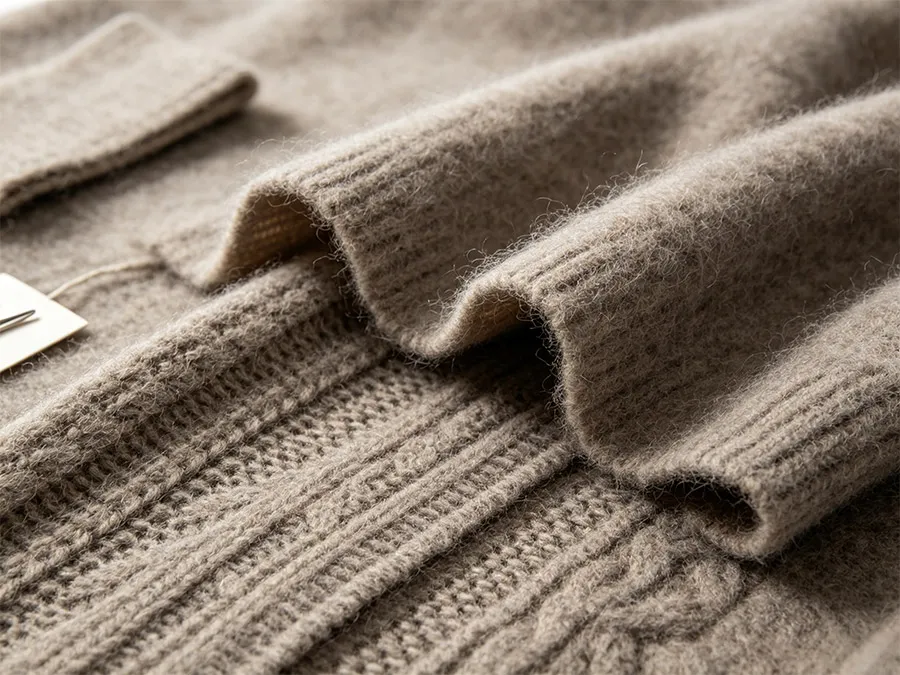
One pass isn't enough—edges look messy, pattern definition suffers.
Three passes is overkill—fibers start matting and the fabric loses clarity.
We settled on two passes. First at moderate intensity to lift primary fibers. Second at lower intensity to even out the surface. Pattern stays crisp. Halo stays fluffy. We've been running this protocol for five years now.
To founders and procurement leads who want to sleep at night—here's the playbook.
Sampling: Swatch First, Sweater Second
I see brands go straight to full garment sampling on jacquard designs. That’s a $300-$500 mistake per round. If the gauge scaling is off or the color reproduction doesn't match the Pantone, you're re-knitting the whole thing.
Strike-off swatches first. 30cm x 30cm. We match the dye batch, check the stitch density, confirm pattern size at the actual gauge. This one step—I swear on my MOQ—slashes development lead time by 40%. Do the math on your calendar.
3GG and 5GG yarns are space-dyed or package-dyed—minimums are real. 100-300 pieces per color, per style is where most mills land. Below that, you pay penalty rates.
Workaround: Ask mills about their stock-service yarn program. We run a library of 50+ standard colors already dyed and ready to go. You pick from those, no dye minimum, no wait time. It’s how small brands get off the ground without compromising on quality.
Standard AQL 2.5 is fine for woven. For heavy knits, I add specific checkpoints:
Drop shoulder symmetry: Left and right drop points must stay within 0.8cm of each other. Anything more and the whole silhouette tilts. Measure on a flat table with a steel ruler—no guessing.
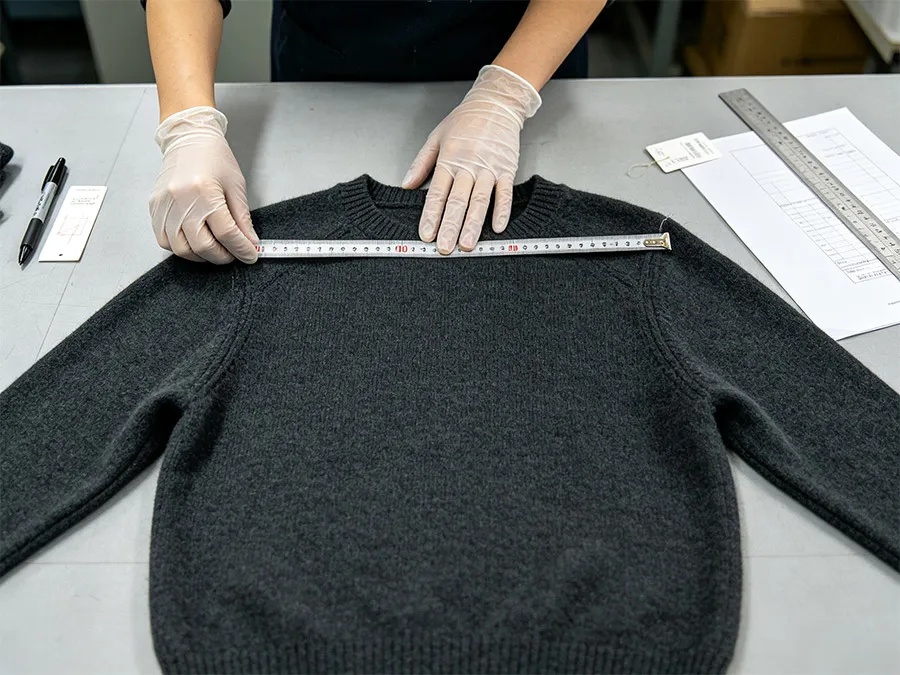
Shrinkage tolerance: After a 30°C wash cycle, body length and chest must land within ±3% of the spec. We run two wash tests per batch—one during production, one on the finished goods. If either fails, the whole lot stays in the factory for re-processing.
Needle detection: 100% of production goes through the needle detector before cartoning. Broken needles in heavy-gauge knitting happen—caught two last week alone. But none ship. That’s non-negotiable.
Urban oversized knits aren't a trend—they're a category. But they punish sloppy development, ignorant spec sheets, and cost-cutting on construction details.
I've seen beautiful designs die in production because the developer didn't understand drop-shoulder physics. I've watched brands lose six figures on air freight because their length spec was off by 3cm and the buyer refused the batch.
Get your swatches right. Reinforce your shoulders. Respect your yarn's behavior in the wash. And for god's sake, if you're spec'ing a 720-gram sweater, make sure your factory actually weighs it—on a calibrated scale, not a guess.
We keep physical swatches, color cards, and CAD knitting programs on file for everything mentioned here—3GG, 5GG, mohair brush finishes, jacquard patterns, you name it. If you’re working on a development project and want to cross-check your spec against real production parameters, reach out to our technical team. We’ll walk through the numbers, the risks, and the realistic lead times—no sales pitch, just factory floor reality.
We can customize sweaters of various categories.
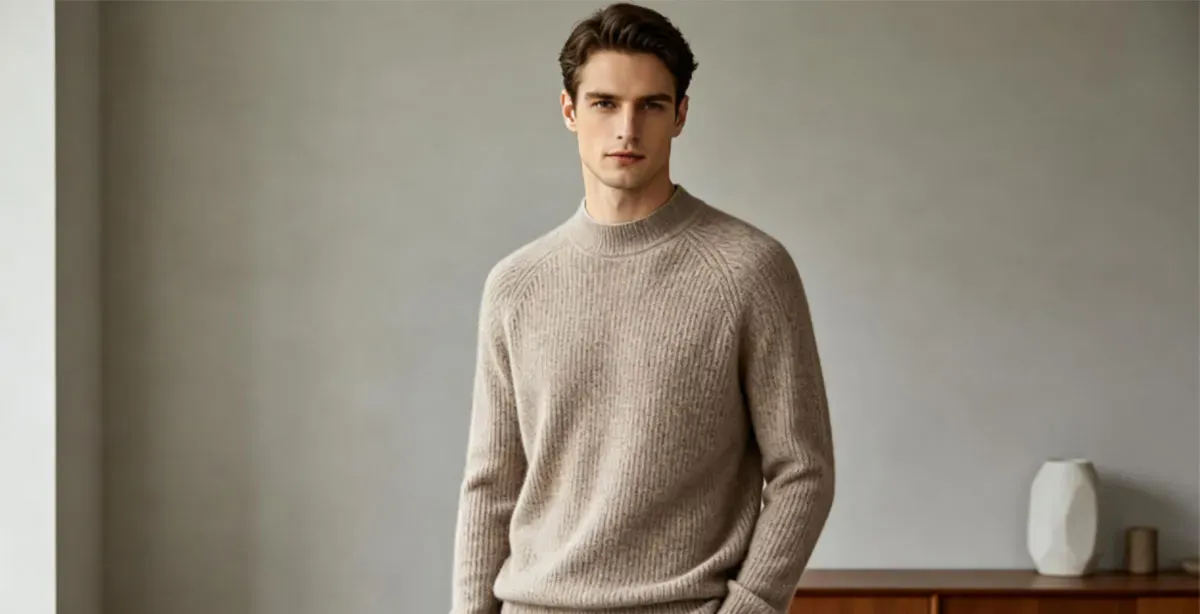
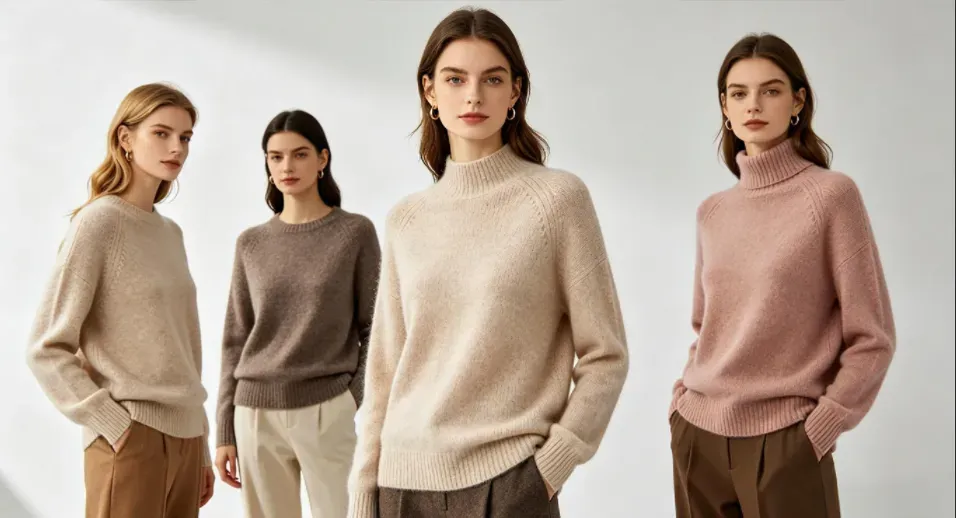

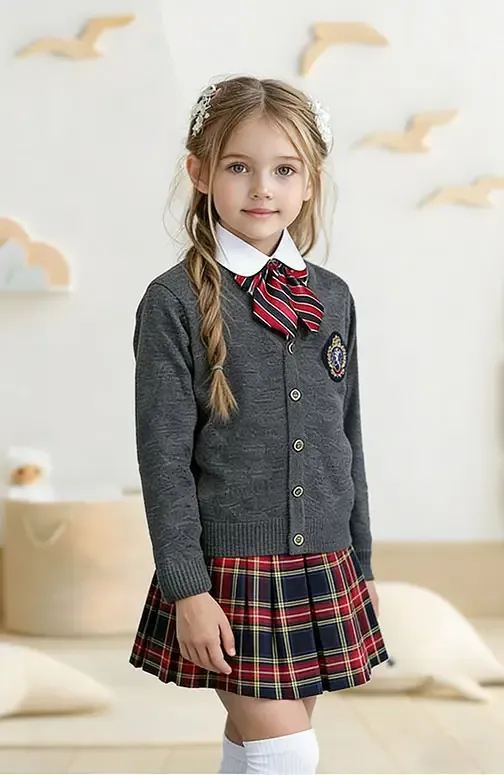

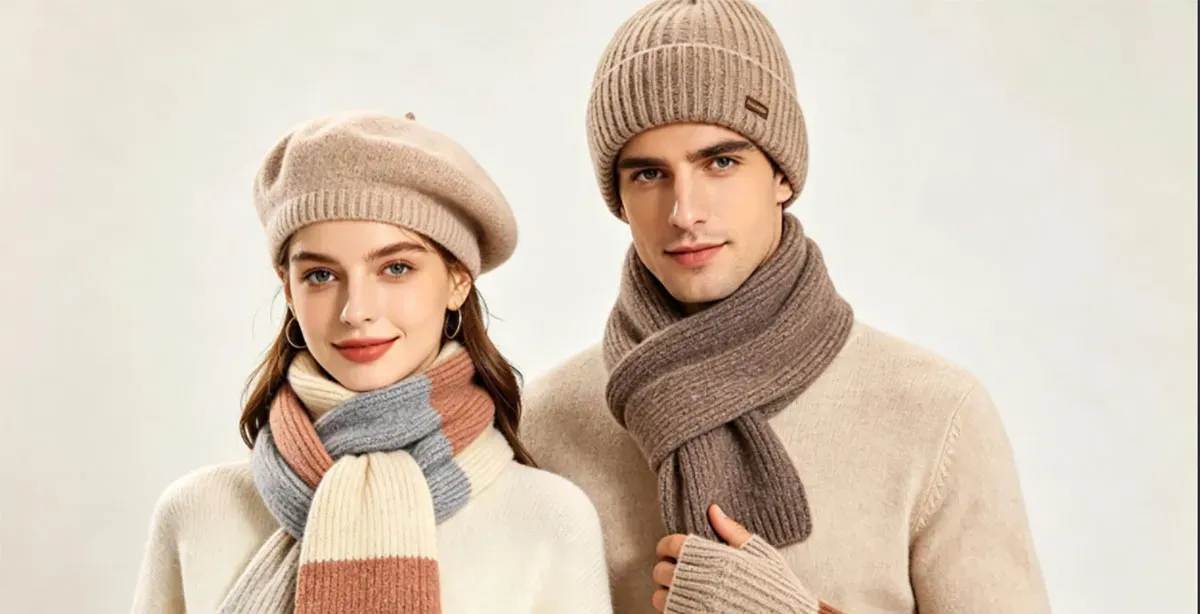
Sweater Factory Video
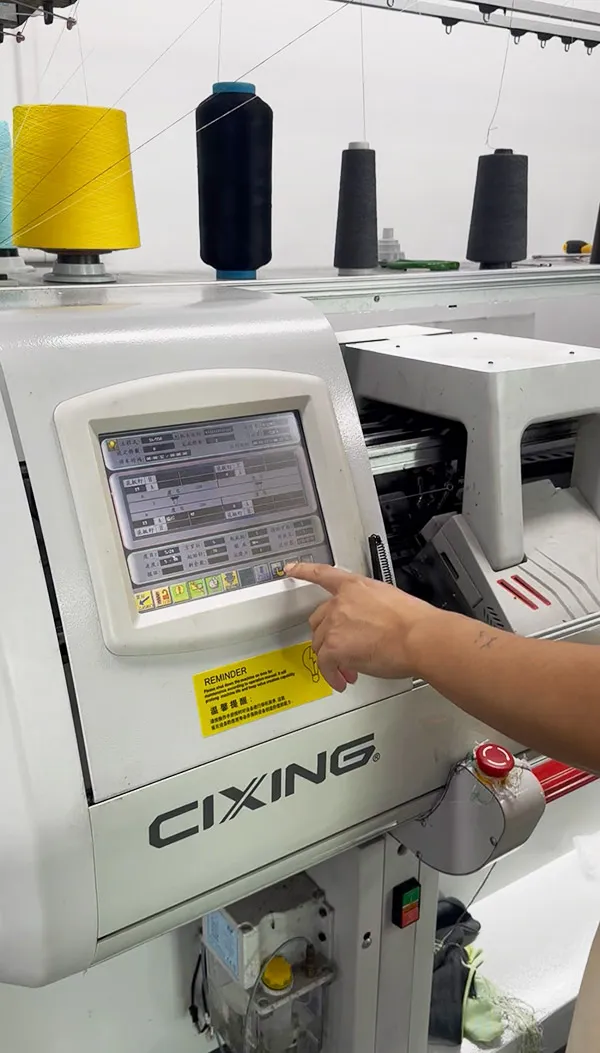
Sweater Manufacturer Sample Room: OEM/ODM Sampling, Pattern Making & Knitting Programming
Duration: 29sUpdated: September 23rd, 2026A detailed walkthrough of our knitwear sample room, showcasing how a professional Private Label Sweaters Manufacturer manages the complete development cycle from client tech pack interpretation to finished prototype approval. The video highlights skilled technicians creating computerized flat knitting programs on German STOLL and Japanese Shima Seiki software, alongside patternmakers calculating stitch density, yarn tension, and shrinkage allowances. Key sampling operations featured include automated panel knitting across 3G, 5G, 7G, 12G, and 14G gauges, precision hand-linking for seamless collar and shoulder joining, manual thread trimming, and steam framing for dimensional stability. Designed to support B2B buyers and fashion designers, this sample development center handles custom proto samples, fit samples, color lab dips, and pre-production samples (PPS) utilizing organic cotton, merino wool, fine cashmere blends, and recycled yarns.
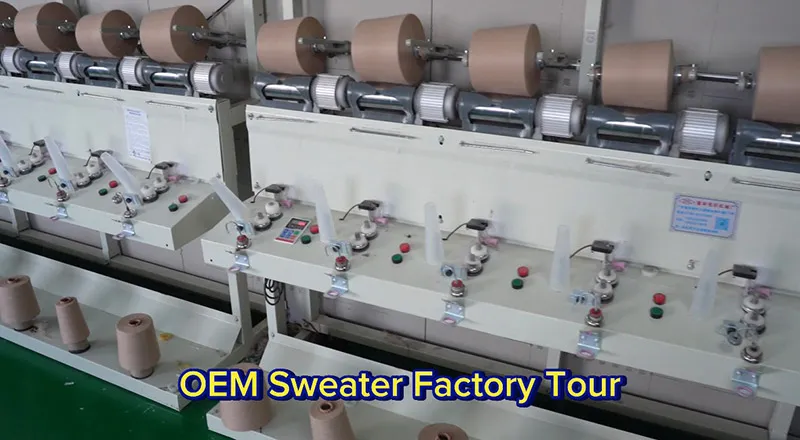
Inside a Leading Knitwear Manufacturer in China – Factory Tour & Behind the Scenes
Duration: 58sUpdated: August 10th, 2026Welcome to our knitwear manufacturing facility in Guangzhou, China. This video takes you behind the scenes of our 3,000-square-meter factory, where we produce high-quality knitted garments for brands worldwide. As a leading sweater manufacturer in China, we specialize in custom OEM and ODM production across five core categories: men's knitwear, women's knitwear, children's knitwear, pet knitwear, and a full range of knitwear accessories. Men's Knitwear & Women's Knitwear Our factory is equipped with over 110 advanced STOLL computerized flat-knitting machines, capable of producing everything from classic crewneck sweaters and V-neck pullovers to fashion-forward cardigans and knit tops for men and women. With a gauge range of 1.5GG to 18GG, we can handle chunky cable knits as well as fine-gauge lightweight styles. Whether you need a bulk order for a retail chain or a small batch for a startup brand, our flexible production lines ensure consistent quality and on-time delivery. We work closely with fashion brands, wholesalers, and importers across North America, Europe, and Australia, offering full-service support from yarn selection to finished garment inspection. Children's Knitwear & Pet Knitwear Our expertise extends to children's knitwear and pet knitwear – two fast-growing segments in the global apparel market. For kids, we produce soft, durable, and safe sweaters in a wide range of colors and styles, from school uniforms to casual wear. All children's garments are crafted from certified materials that meet international safety standards. For pets, we are a trusted manufacturer of custom dog and cat sweaters, offering breed-specific sizing, premium yarns, and creative designs that keep pets warm and stylish. Whether you are launching a pet apparel line or expanding your children's collection, our low MOQ and fast sampling service make it easy to get started. Knitwear Accessories Beyond sweaters, we are also a leading manufacturer of knitwear accessories – including beanies, scarves, gloves, headbands, and knit hats. These accessories are produced using the same high-quality yarns and precision knitting techniques as our garments, ensuring a cohesive look and feel across your entire product line. With our in-house design team, we can develop custom patterns, colors, and branding elements to match your collection's aesthetic. Behind the Scenes: Our Process In this video, you will see every stage of our production process – from yarn intake and quality inspection to computerized knitting, linking, washing, and final quality control. Our facility is certified under GRS, BSCI, WRAP, ISO 9001, and OEKO-TEX, reflecting our commitment to ethical manufacturing and environmental responsibility. We also maintain a dedicated sample showroom where clients can review fabric swatches, gauge samples, and finished prototypes before placing bulk orders. Why Choose Us? As a direct knitwear manufacturer in China, we offer factory-direct pricing, transparent communication, and a dedicated account management team for every project. Whether you need men's knitwear, women's knitwear, children's knitwear, pet knitwear, or knitwear accessories, we are your one-stop partner for reliable, high-quality production. Book Your Factory Tour Today We welcome international buyers to visit our factory and see our operations firsthand. Schedule a visit to meet our team, review our capabilities, and discuss your next collection. Contact us now to arrange your factory tour!
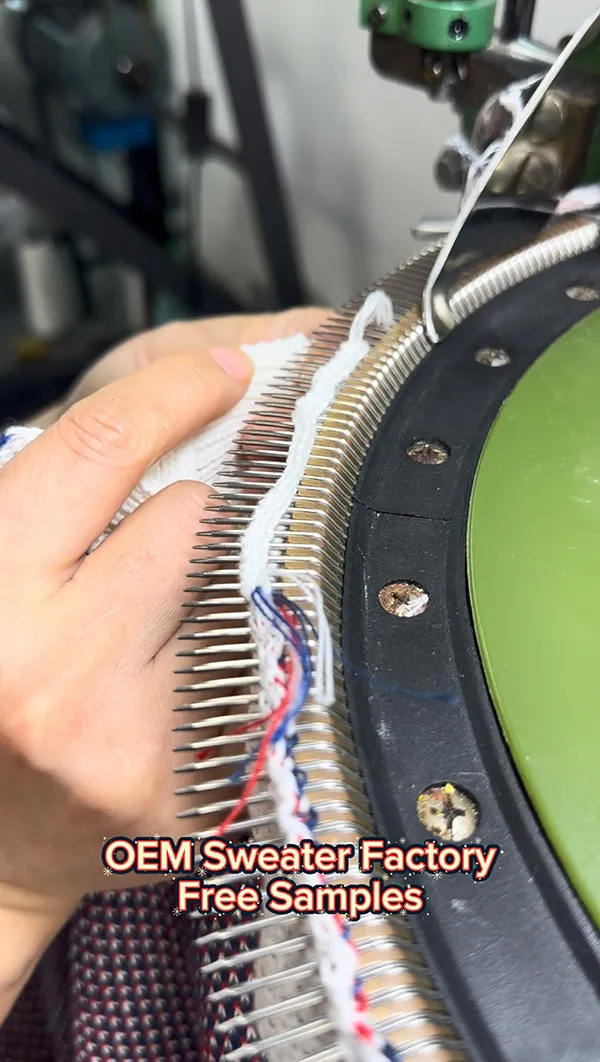
Custom Pullover Sweater: White Striped Ribbed Collar Linking Video Highlights Flat Seams and Free Sample Options
Duration: 21sUpdated: October 7th, 2026This custom pullover sweater video demonstrates how flat, clean seams are assembled for classic crewneck jumpers featuring red, white, and blue striped rib collar trims. Crafted from soft cotton or fine wool blend yarns, the elastic ribbed collar provides comfortable stretch recovery, shape retention, and a neat neckline fit. The timeless contrast tipping style adds a sporty preppy aesthetic, making it an ideal choice for casual daily wear, university streetwear, and collegiate fashion collections. Designed for independent clothing brands, our direct factory setup delivers full OEM/ODM manufacturing for every custom pullover sweater line. We offer flexible low MOQ orders, custom yarn color dye matching, private woven label integration, and free physical samples so design teams can evaluate fabric softness, weight, and seam strength before placing bulk wholesale orders.
Sweater Manufacturer Blog
Knitwear Quality Control: Complete Sweater Inspection Guide
Subtitle:Sweater Manufacturer AQL 2.5, Torquing Prevention, Gauge‑Specific Checks, and Tolerances That Hold Up on the Measuring Table In cross-border knitwear sourcing and custom production, your Quality Control (QC) setup isn't just an inspection checkpoint—it’s the single biggest factor dictating your brand’s margin and survival. Unlike standard wovens, fully-fashioned knits are built loop by loop. Variable yarn tension, moisture regain, unpredictable relaxation shrinkage, and complex panel linking make knitwear inherently dynamic on the factory floor. Over the years, as a professional sweater manufacturer I’ve seen too many brands watch their profits burn over preventable finishing errors: distorted necklines, twisted side seams, premature pilling, or a dropped loop that unravels an entire panel in transit. Left unchecked at the mill, these micro-defects land squarely on the retail side—driving up return rates, damaging retailer relationships, and triggering costly chargebacks. To protect your shipments, we’ve broken down our factory-floor inspection framework into a practical playbook for international sourcing directors, technical designers, and buyers. Below is a breakdown of the core operational protocols covered in this guide: Why standard woven inspections fail on knitwear: How yarn mechanics, gauge tension, and structural elasticity force a completely different inspection approach. The five defects that actually cost you money – and how we stop them: Root causes and real-world countermeasures for spiralling, pilling, shading, and open seams before bulk packing. AQL 2.5/4.0 – thresholds that actually get used: A breakdown of sampling sizes, defect classification (Critical, Major, Minor), and pass/fail rules on the measuring table. Gauge-specific checks: 3GG is not 12GG: Tailoring inspection parameters to match the structural risks of coarse-gauge chunkies versus fine-gauge knits. Measurement POMs and the tolerance trap: Practical flat-lay protocols and realistic tolerance sheets that eliminate stretch disputes between buyers and factory QC teams. Tech Pack must-haves + handling third-party inspectors (SGS/ITS/BV): Aligning your spec sheets and factory SOPs to guarantee clean third-party field reports and zero-defect deliveries. Whether you're an established private-label brand scaling up seasonal bulk orders or a sourcing engineer tightening up your supplier quality agreement, this guide outlines the exact protocols needed to de-risk your knitwear supply chain from cone to carton. Why standard woven inspections fail on knitwear If your QC team uses a woven‑garment checklist on sweaters, you’re effectively writing off a percentage of your order before it leaves the factory. Wovens are cut from stable cloth; knits are loops that move. Tension, moisture regain, and yarn twist behave differently on every batch. I’ve personally watched S‑twist yarns wreck a 12GG production run in our Guangzhou facility simply because the steaming cycle wasn’t adjusted for that specific lot. The side seams spiralled so badly we had to pull the whole batch at the lightboard. The structural shift is simple: a broken thread in a woven stays local; a dropped loop in a knit can ladder the entire panel. So we measure different things: Tension & stress release – if the knitting stress isn’t steamed out, the garment shrinks or twists in the first home wash. Moisture regain – batch‑to‑batch humidity changes shift finished dimensions more than most buyers realise. Torquing – unbalanced single‑ply twist creates that ugly spiral effect. You can’t iron it out, and you can’t press it flat. We run three dynamic tests on every style: neck/cuff recovery (stretch it and see if it snaps back), light‑board scanning (every piece, no exceptions), and shade matching under D65/TL84 before linking. That last one catches dye‑lot mismatches that would otherwise only show up after packing. The five defects that actually cost you money – and how we stop them Defect What causes it Our fix on the floor Torquing / seam twist Over‑twisted yarn or uneven steam setting Pre‑knit reaming to relax twist; we slow the feed tension on the machine if the yarn feels tight; high‑temp steam set after knitting Pilling Short‑staple fibres or too much softener in the wash Switch to long‑staple/combed yarn; run a Martindale test at sample stage – if it scores below 3.5, we don’t cut Dropped stitches / holes Worn latch needles or poor linking Daily needle changes; 100% light‑board scan – zero tolerance. One hole, out of the shipment. Shading / dye‑lot variation Different dye batches or unstable vat temp Strict dye‑lot control; we hold back trims and body panels until they’re matched side‑by‑side under the lightbox Wash‑induced shrink No pre‑shrink allowance or mismatched blend rates Build 3‑5% shrink into the knitting programme; wash‑test the pilot sample and adjust before bulk Here’s a dirty little secret that doesn’t make it into the textbooks: some factories over‑stretch the rib during finishing just to hit the chest measurement on the table. That rib snaps back in transit, and suddenly your spec sheet is worthless. We check the relaxed state specifically to catch that – not the stretched number the production line wants to show you. AQL 2.5/4.0 – thresholds that actually get used We run General Inspection Level II for final random inspection. Critical defects are AQL 0 – one broken needle or a missing fibre label and the whole order stops. For a 2,000‑piece order, we pull 125 pieces. If we find 7 Majors and 10 Minors, the batch rolls. If Majors hit 8, we reject it on the spot. No debate. Real‑world classification (knits only): Major – dropped stitch, open linking seam, side‑seam twist >3%, measurement out of spec, obvious shading. Minor – loose thread >1cm inside, misplaced hang‑tag, light press mark. I’ve had third‑party inspectors flag a 2cm length difference on a heavy 5GG cable knit. We stopped the inspection, let that sweater relax flat for the full 24 hours, and re‑measured. It came back within tolerance. They signed the field report. That’s why we always build a relaxation hold into the FRI schedule – and we insist the inspector watches the re‑measure. Gauge‑specific checks: 3GG is not 12GG Coarse (3‑5GG) – gravity is your enemy. We never hang these; we measure after 24 hours flat. Linking strength gets a hard pull test at the shoulder. Mid (7‑9GG) – torquing and rib recovery are the trouble spots. We check side‑seam twist (must be ≤3%) and stretch neck/cuffs to verify snap‑back. If the rib doesn’t return, we add spandex in the next run. Fine (12‑14GG) – micro‑holes and density. 100% lightboard scan; we use a density glass to check courses and wales per inch and hold ±3% across the batch. Measurement POMs and the tolerance trap Never measure straight out of the polybag. That’s a rookie mistake that costs buyers thousands in false chargebacks. Our protocol: flat‑lay for 2‑4 hours (24 hours for coarse gauges), no stretching, non‑stretch steel tape. Core POMs we actually use: Body length – HPS to hem (including rib) Chest width – half measure, 1” below armhole Shoulder – seam to seam Sleeve length – from CB neck to cuff Neck width/depth – at seam and from back neck to front dip Tolerance sheet (by gauge): POM Fine (12‑14GG) Mid (7‑9GG) Coarse (3‑5GG) Heavy texture Body length ±1.0 cm ±1.2 cm ±1.5 cm ±2.0 cm Chest (half) ±0.8 cm ±1.0 cm ±1.5 cm ±1.5 cm Shoulder ±0.8 cm ±1.0 cm ±1.2 cm ±1.5 cm Sleeve ±1.0 cm ±1.2 cm ±1.5 cm ±2.0 cm Neck ±0.5 cm ±0.8 cm ±1.0 cm ±1.0 cm If the yarn has high spandex content, we add 0.3‑0.5cm on horizontal measures – but we flag that in the Tech Pack before production, never after the fact. Tech Pack must‑haves + handling third‑party inspectors (SGS/ITS/BV) Over 40% of disputes we mediate come down to one thing: the Tech Pack doesn’t specify the relaxed state. Yours must include: Yarn blend and count (e.g. 2/28NM) plus dye method Gauge and stitch structure, with a max float‑length limit A clear POM diagram – not just text Pantone reference and light‑source priority (D65 > TL84) Label position, thread spec, and packing details Performance numbers: pilling ≥3.5, colourfastness ≥4, shrink ≤3% For the 3rd‑party inspector: we give them a dedicated table, lightbox, and lightboard. The checklist they use must match the approved PP sample to the letter – no last‑minute tolerance changes. If they flag an out‑of‑spec measurement, our QC lead has the right to stop the process, re‑relax the piece, and re‑measure on the spot. We photograph the disputed point, sign the field report together, and keep a sealed sample for appeal. Final word (straight to the point) Knitwear quality isn’t inspected in at the end – it’s built into the yarn tension, the relaxation time, and the gauge‑specific checkpoints. If your Tech Pack doesn’t already specify the relaxed state and the recovery test, we’ve got a gap to close before we cut a single cone of yarn. If you’re sourcing knitwear and want a partner who runs these protocols daily – and who will flag the risks before they become chargebacks – send your Tech Pack over. Our technical team will give you a no‑cost feasibility read, a tolerance sample to check our finishing standards, and a supply‑chain risk review specific to your next season.
view more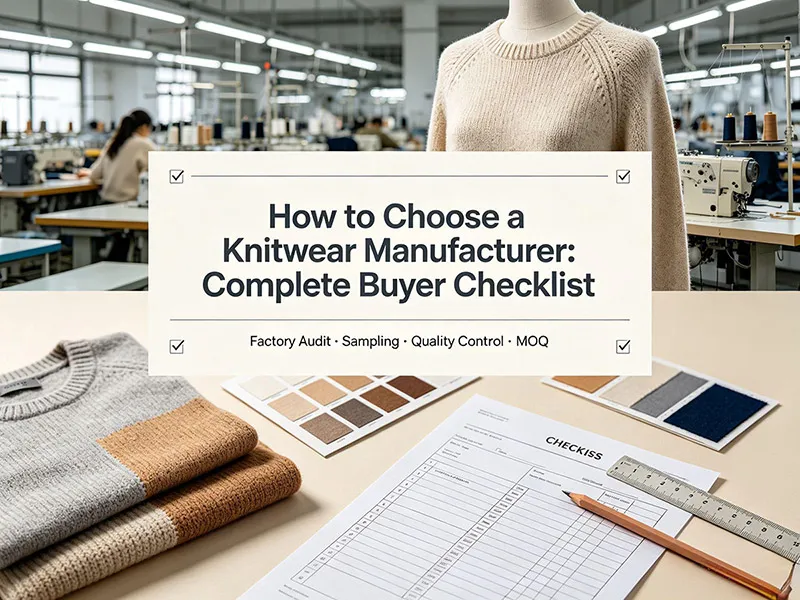
How to Choose a Knitwear Manufacturer: Complete Buyer Checklist
How to Choose a Knitwear Manufacturer: Complete Buyer Checklist A Step-by-Step Sourcing Guide for Brands — Even Without a Tech Pack Sweater Manufacturer demand is rising as the global knitwear market is projected to surpass $1 trillion by 2035, with demand for high-quality sweaters continuing to grow. But for brand founders, capturing this growth isn't easy. Let’s cut the flattery. Finding a sweater factory isn’t about winning a lowball bidding war. In my experience, the cheapest quote usually comes with hidden costs: missed ship dates, inconsistent sizing, pilling after two washes, and a communication blackhole that makes you want to pull your own hair out. Smart sourcing isn’t about price. It’s about finding a manufacturing partner that’s responsive, transparent, and technically competent. Even if you don’t have a technical designer on staff or a fully built-out tech pack, you can screen factories quickly using these four core criteria. Here’s exactly how. 1. Hardware & Process: What’s Actually on the Floor Forget the glossy sales pitch. A factory’s real capability comes down to two things: the knitting machines they run and how they stitch the pieces together. Gauge (GG) Selection & Machine Capability Gauge refers to the number of needles per inch on the knitting bed. Higher GG = finer, lighter fabric. But here’s the catch: a factory needs the native machine for each gauge. You’re looking for STOLL (Germany) or SHIMA SEIKI (Japan) equipment, not knockoffs. Here’s how the gauges break down: Coarse Knit (3GG – 5GG): Heavyweight fall/winter sweaters, cable knits, cardigans. This gauge tests a factory’s tension control on wide-gauge beds. Mid-Gauge (7GG – 9GG): Your bread-and-butter spring/fall styles. This is the volume sweet spot. The key metric here is stitch uniformity across bulk production. Fine & Superfine (12GG – 18GG): Base layers, fine merino, and cashmere blends. This is where the factory’s climate control and finishing processes get scrutinized. Temperature and humidity swings wreck fine-gauge production. Red flag: A factory that claims they can run 7GG on a 12GG machine by "modifying" the settings. That’s a fancy way of saying your sweater will stretch out and lose its shape after one wear. Walk away. The Joining Process: What Determines Garment Durability This is the single biggest differentiator between a premium sweater and fast-fashion garbage. Hand-Linking (Looping): Each stitch from the knitted panels is looped onto a linking machine, one by one. The result? Seams that are flat, elastic, and almost invisible against the skin. This is how you build garments that last. Cut-and-Sew (Overlock): The cheaper, faster route. Panels get cut with scissors and stitched together with an overlock machine. The seams are bulky, have zero give, and will start fraying at the edges after a few wash cycles. Bottom line: if you’re selling a premium product, hand-linking is non-negotiable. If you’re chasing ultra-low cost, just know the trade-offs. 2. Decoding MOQ: How to Test the Waters Without Breaking the Bank Here’s a truth most brand founders learn the hard way: the MOQ bottleneck usually isn’t the factory’s knitting machines. It’s the dye house. Most mills set dye-lot minimums at 100–300 kg per color. That translates to roughly 300–1,000 finished garments, depending on weight. So how do you get started with 100–200 pieces? Stock service yarns. Stock Service vs. Custom Dyeing If you insist on a specific Pantone match, be prepared to pay for custom dyeing—and wait an extra 2–3 weeks for lab dips and strike-offs. But if you’re willing to work from the factory’s stock yarn color cards, everything changes. Criteria Stock Service Yarns Custom Dyeing MOQ Low (100–200 pcs/design) High (300–1,000+ pcs/design) Lead Time Fast (3–7 days for strike-offs) Slow (adds 2–3 weeks for color development) Risk Low—test multiple colors easily High—you’re sitting on leftover yarn Pro tip: When you send your RFQ, ask this exact question: “What’s your MOQ if we use your stock service yarns?” The answer will tell you immediately if they’re set up for agile, small-batch production or if they’re still operating in the old-school volume model. 3. Sampling Without a Tech Pack & Rigorous Quality Control A good OEM/ODM factory is essentially a development partner. They don’t need a perfect tech pack to start working with you. How to Kick Off Sampling Send them any one of these: High-res reference images or sketches—clearly mark the silhouette and pattern details you want. A physical sample garment—this is the gold standard. Even if it’s the wrong fabric or a different brand, they can reverse-engineer the measurements and build a new pattern from it. The Three Critical Samples Before Production Don’t skip these. Each one protects you from expensive mistakes. Knit-down (Yarn Swatch): This is your first sanity check. It confirms the actual yarn hand-feel, the true color, and how the stitch pattern renders. Approve this before the factory cuts a single panel. Proto Sample (First Fit Sample): This is your first look at actual garment silhouette and construction. Check the fit, the drop, the armhole depth. This is where you catch pattern issues. PPS (Pre-Production Sample): This is the non-negotiable gatekeeper. The PPS must be made with 100% production yarn, trims, and finishing processes. That means the same dye lot, the same wash, the same steam-setting. Do not—under any circumstances—authorize bulk production without a signed-off PPS in hand. The Quality Benchmarks That Matter (AQL 2.5) Hold your factory to these three metrics during the final inspection: Size tolerance: Within ±1.5 cm of the spec sheet. Pilling resistance: ISO/AATCC rating of 3–4 or higher. Anything below that and your customers will complain within weeks. Washing shrinkage: Must fall within ±3% to ±5% after the standard wash-and-set finishing process. 4. Sending a Smart RFQ & Spotting Supplier Red Flags You don’t need a novel. You need a concise, information-rich inquiry that gets you a real quote on the first pass. The Four Components of a High-Conversion RFQ Include these four elements, and you’ll get a useful response—not a generic brochure. Estimated quantity: Total pieces AND breakdown per color. (Example: 200 total, 100 pcs in Navy, 100 pcs in Charcoal) Visual reference: Either a high-quality photo or simply state: “Sample garment available for shipping.” Yarn & gauge preferences: Be specific. (Example: “7GG mid-gauge, cotton-blend, using your stock service yarns.”) Target market & delivery deadline: (Example: “US market—must hit warehouse by October 15th.”) Factory Red Flags: Three to Walk Away From I’ve seen these patterns repeat across dozens of factory audits. If you hit any of these, keep looking. Slow sampling response: If they can’t turn a proto sample around on time, they’re telling you—loudly—that they can’t manage production schedules. Bulk will be worse. Pushing custom dyeing exclusively: If they refuse to show you a stock yarn color card and insist on high-MOQ custom dyeing, they don’t have a service model for emerging brands. They’re still hunting whales. No industrial steam-setting equipment: If they’re finishing sweaters with a hand iron instead of a proper steam tunnel or press, your garments will shrink and deform after the customer’s first wash. That’s a chargeback waiting to happen. Final Take: Build a Supply Chain, Not a One-Off Deal Choosing a knitwear factory isn't a transaction. It’s the foundation of your brand’s supply chain. The playbook is simple: Use stock service yarns to de-risk your initial order. Lock down your PPS before bulk production starts. Send a tight, data-driven RFQ to filter out time-wasters. Do that, and you’ll operate like a seasoned sourcing pro—regardless of your team’s size. Ready to Skip the Sourcing Headaches? Finding a knitwear partner who balances flexible MOQs, rigid quality control, and transparent communication shouldn’t feel like a gamble. At JM Sweater (Guangzhou Junma Apparel Co., Ltd.), we’ve spent 21 years perfecting custom knitwear manufacturing for growing global brands. With a 3,000 m² facility and annual capacity of 1.2M garments, we bridge the gap between high-end craftsmanship and flexible production—whether you need low-MOQ stock yarn development or full-scale OEM/ODM runs. Need help reviewing a Tech Pack or calculating yarn yield? [Get a Free Production Assessment & Quote within 24 Hours]
view more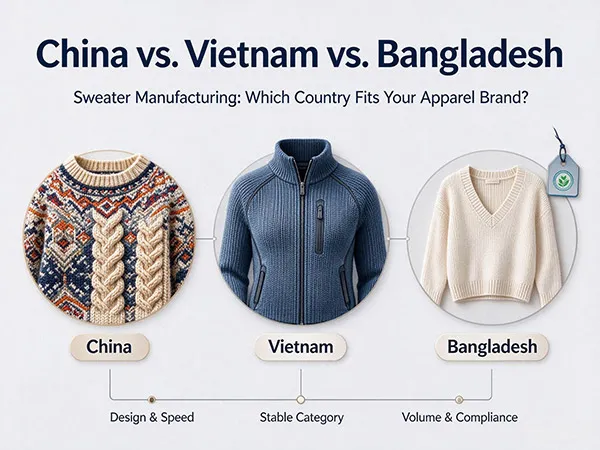
China vs. Vietnam vs. Bangladesh Sweater Manufacturing: Which Country Fits Your Apparel Brand?
Introduction: The Era of Diversified Sourcing (China +1 Strategy) Beyond the Price Tag: Why the "China +1" Strategy is the New Normal For today's overseas apparel brands, sweater sourcing is no longer a simple numbers game of who offers the lowest FOB quote. With Western tariff policies in constant flux, shifting labor costs across Southeast Asia, and mounting inventory pressure at retail, betting your entire knitwear program on a single country is a recipe for margin erosion. This is precisely why the "China +1" supply chain diversification strategy has become the new normal for global sourcing directors. As someone who has spent years on the factory floor of oem knitwear manufacturing, I'll be upfront with brands: there is no such thing as a perfect sweater factory—only the source that best fits your brand's business model. Is your core need hundreds of thousands of units of value-priced bulk production, or a few dozen pieces to test a trend? Different needs demand entirely different answers. In this guide, we'll strip away surface-level price sheets and take a strategic look at Knitwear Total Cost of Ownership (TCO) to objectively compare the three major sweater manufacturing hubs: China, Vietnam, and Bangladesh. We'll examine five critical dimensions: Real FOB unit prices and tariff barriers ESG and green sustainability Gauge capabilities and craftsmanship ceilings MOQ thresholds and supply chain agility The hidden costs everyone overlooks By the end, you'll have a clear picture of how the global knitwear supply chain actually works—and the clarity to make the right sourcing decision for your next season's collection. Table of Contents: Executive Summary: At-a-Glance Comparison Matrix Cost, Tariffs & The Geopolitical Landscape Technical Upgrades, ESG & Craftsmanship MOQ, Agility, and Inventory Risk Control The Decision Tree: Which Hub Fits Your Brand? The JM Sweater Approach: Agile Manufacturing Frequently Asked Questions (FAQ) Executive Summary: At-a-Glance Comparison Matrix For quick evaluation, the table below summarizes the key metrics and data across China, Vietnam, and Bangladesh for sweater manufacturing. Use it to establish a panoramic view of each country's supply chain positioning before diving into the details: Sourcing Metric Bangladesh (The Volume King) Vietnam (The Balanced Haven) China (The Agile Specialist) Primary Strength Lowest Cost, 0% EU Tariff, ESG/LEED US Tariff De-risking, High Quality Complex Craftsmanship, Low MOQ Average FOB Cost Low ($) Medium ($$) Medium-High ($$$) US Tariff Rate ~16.5% ~16.5% 24% – 41.5% (incl. Section 301) EU Tariff Rate 0% (EBA) 0% (EVFTA) 12% Standard MOQ 2,000 – 5,000+ pcs 800 – 2,000 pcs 50 – 500 pcs (Agile factories) Production Lead Time 70 – 100 days 60 – 75 days 25 – 45 days Best For (Apparel Type) Basic Sweaters, High-volume plain knits Mid-to-high end blends, Steady basics Intarsia, Jacquard, 2G-18G, Quick-response Key Takeaway: If your brand prioritizes unit cost and tariff exposure above all else, Southeast Asia is your first stop. But if your business model depends on rapid sampling, multi-style testing, complex stitch structures, and minimizing deadstock risk—China's agile factories remain an irreplaceable strategic asset. Deep Dive 1: Cost, Tariffs & The Geopolitical Landscape When evaluating sweater supply chains, sourcing teams typically look at FOB unit price first. But focusing only on ex-factory cost means you're likely overlooking the hidden expenses tied to tariffs and supply chain coordination. Here's the real financial and geopolitical breakdown across the three hubs: Bangladesh: The Unbeatable Champion of Volume & EU Duty-Free For ultra-high-volume basic sweaters, Bangladesh enjoys a cost moat that no other country can match. Rock-bottom labor costs: As the world's second-largest apparel exporter, Bangladesh offers highly competitive labor rates—ideal for standardized orders starting at tens of thousands of units. Europe's duty-free safe harbor: Thanks to the EU's EBA (Everything But Arms) preferential trade agreement, Bangladesh exports to the EU enjoy 0% tariffs (compared to China's 12% rate). For high-volume brands targeting European markets with solid-color, plain-knit pullovers, this cost advantage is untouchable. Vietnam: The Strategic Safe-Haven for US Brands For brands focused on the US market, Vietnam has become the core de-risking destination in recent years. Clear tariff advantage: With Section 301 tariffs adding to US-China trade friction, China's combined export tariff to the US has climbed to 24%–41.5%, while Vietnam's rate to the US holds steady at around 16.5%. Mature mid-tier category management: Vietnam boasts solid port infrastructure and a quality control culture deeply influenced by Japanese and Korean capital. For mid-range synthetic blend sweaters and standard cardigans, Vietnam delivers remarkably consistent output. China: Navigating High Tariffs with "Hidden Cost" Savings As a Chinese oem knitwear manufacturer, I'll be candid: China's labor costs now exceed Southeast Asia's, and export tariffs to the US are substantial. Yet many sophisticated brands still keep a significant share of orders in China after running the TCO (Total Cost of Ownership) math. The reason comes down to hidden costs that Southeast Asian supply chains can't easily avoid: Upstream raw material dependency and longer lead times: Bangladesh and Vietnam have relatively thin local supply chains for specialty yarns. When brands need GRS-certified recycled yarns, high-count merino wool, or specialized functional blends, factories in Southeast Asia typically still source yarn from China (Guangdong, Zhejiang industrial belts) and import by sea. Just the yarn transfer and customs clearance adds 2–3 weeks and extra logistics costs. Sampling iteration and rework losses: Complex stitch structures (like high-difficulty jacquards or intarsia) often require multiple rounds of sample revisions at Southeast Asian factories. The time spent on back-and-forth sample shipping, plus potential defect rates in bulk production, quickly eats away at the few cents saved on the initial FOB quote. When brands factor in stock-service yarn availability, first-pass sampling success rates, and deadstock risk into their financial calculations, the "hidden costs" saved by China's mature industrial ecosystem often effectively offset the tariff premium. Deep Dive 2: Technical Upgrades, ESG & Craftsmanship When discussing knitwear manufacturing, equipment sophistication and worker experience directly determine the quality ceiling of your sweaters. On this dimension, each country has evolved along distinctly different paths: The Rise of Bangladesh's LEED Green Factories (ESG Focus) Many buyers still picture Bangladesh as a purely manual-labor era operation. That's outdated. In recent years, Bangladeshi factories have aggressively adopted German STOLL and Japanese Shima Seiki computerized flat knitting machines, achieving international-standard automation for 7G-12G standard gauges. More notably, Bangladesh now hosts the world's densest concentration of LEED-certified green factories. For clients who put ESG (Environmental, Social, and Governance) at the heart of their brand messaging, Bangladesh offers compelling supply chain credentials. China's Irreplaceable Moat: 2G to 18G & Extreme Complexity But when styles move beyond basic knits into the deep end of craftsmanship, China's technical moat remains insurmountable. Whether it's the rich texture of 2G/3G heavy-gauge vintage chunky knits, or the machine-precision-demanding 16G/18G lightweight fine-gauge knits, Southeast Asian factories often can't deliver. For multi-color Intarsia and Jacquard knitwear, fine hand-linking seams, and 3D seamless garment knitting, China remains the only solution with the highest density of advanced equipment and the deepest pool of skilled technicians. For mid-to-high-end brands chasing design ceilings and premium hand-feel, China is still the irreplaceable place where designs become reality. Deep Dive 3: MOQ, Agility, and Inventory Risk Control In today's fast-moving apparel retail market, MOQ thresholds and supply chain agility often determine a brand's survival and cash flow more than the unit processing quote. The Traditional Mega-Factory vs. The Agile Specialist Let's clear up a common misconception: not all Chinese factories do small-batch quick-response. Many traditional Chinese mega-factories still enforce strict MOQs of 2,000+ pieces per style. However, alongside the rise of D2C brands and emerging designers, China has cultivated a new breed of knitwear suppliers specializing in agile manufacturing—built specifically to solve modern brands' inventory pain points. Sample-to-Market Speed: Beating the Trend Clock When chasing fashion trends, sampling speed is your lifeline. Constrained by upstream material availability and port infrastructure, Bangladesh or Vietnam typically need 3-4 weeks from sampling to approval, followed by 40+ days of ocean freight. By contrast, leveraging highly concentrated stock-service yarn markets, China's agile factories can compress first-sample turnaround to 7-10 days—helping brands convert sketches into shelf-ready inventory at maximum speed. How "Small Order, Quick Response" (SOQR) Saves Margins Many sourcing teams fall into a financial blind spot: chasing a $1 per-unit processing savings by placing massive overseas orders. The truth is, the biggest killer of brand margins is deadstock inventory risk. The core business logic of a modern agile supply chain is this: test the market with initial MOQs as low as 50-100 pieces per style, identify winners with precision, then rapidly reorder. Rather than dumping inventory at 50% off at season's end, using SOQR to protect healthy margins is the advanced play for mature brands. The Decision Tree: Which Sourcing Hub Fits Your Brand? Finding the perfect sweater manufacturer was never about finding the absolute lowest price—it's about finding the supply chain piece that best fits your brand's business model. Setting aside all subjective bias, here's a brand-profile decision tree to help you quickly identify your match: When You Should NEVER Choose China (Go to Bangladesh/Vietnam Instead) The best way to build trust is honesty. As a China-based knitwear manufacturer, here's our most straightforward advice: if your order volume per style exceeds 5,000 pieces, your designs are solid-color plain knits with zero complex craftsmanship, your target customers are extremely price-sensitive mass-market consumers, and you have a comfortable 6-9 month lead time—book your flight to Bangladesh or Vietnam. In a pure labor-cost volume war, Chinese factories can't offer you the best margins. Model A: The Volume & ESG Brand (Match: Bangladesh) Core needs: Rock-bottom pricing, 0% EU tariffs, green factory credentials. Brand profile match: Large fast-fashion retailers or big-box stores targeting the European market. Your business depends on massive volume runs and extremely low per-unit FOB costs. Meanwhile, Bangladesh's dense concentration of LEED-certified green factories perfectly supports your ESG compliance audits and sustainability marketing strategy for Europe. Model B: The US-Market Balancer (Match: Vietnam) Core needs: US tariff mitigation, mid-to-upper order volumes, a stable quality-cost compromise. Brand profile match: Traditional American mid-tier commercial brands. Your typical order per style runs 800-2,000 pieces. Given Section 301 tariffs, you need a de-risked alternative in Asia. Vietnam's mature port infrastructure and Japanese-Korean-influenced quality control make it an ideal safe haven for your evergreen basics. Model C: The Trend-Chaser & High-Crafter (Match: China Agile Specialists) Core needs: Complex jacquard/intarsia designs, full gauge range (2G-18G), low MOQ testing, stock-service premium and sustainable yarns for quick response. Brand profile match: Modern D2C brands, mid-to-high-end designer labels, or boutique buyers. Your sweaters exist to elevate brand equity, and your designs are packed with intricate Intarsia, Jacquard, or refined hand-linking craftsmanship. You need a factory with full equipment coverage from 2G heavy-gauge vintage chunky knits to 18G ultra-fine gauge. More importantly, you care deeply about cash flow and inventory health—you need a low MOQ sweater manufacturer supporting 50-100 piece orders for market testing, with direct access to GRS, GOTS-certified stock-service yarns for rapid production and reorders. This is the absolute home turf of China's new-generation agile factories. Partnering with Agile Specialists: The JM Sweater Approach How JM Sweater Redefines the Sourcing Experience At JM Sweater, we know exactly where we fit—and where we don't. We're not trying to out-compete Southeast Asian factories on the lowest per-unit price for massive basic orders. Instead, we've chosen to be the hardcore technical backbone for Model C brands: mid-to-high-end and quick-response labels. As a representative of China's knitwear manufacturing shift toward agility, we've restructured our factory's fulfillment process around three core capabilities: Extreme Agility: We've broken down the rigid production thresholds of traditional mega-factories, offering genuine MOQs as low as 50-100 pieces per style. Combined with mature stock-service yarn support, this helps emerging brands test the market at minimal risk. Full-Spectrum Mastery: Our facility is equipped with 2G to 18G gauge capabilities across our computerized flat knitting machines. We handle heavy-gauge chunky knits, lightweight fine-gauge, Intarsia and Jacquard knitwear, and hand-linking seams—the high-barrier techniques that define premium knitwear. Speed to Market: Leveraging our deep industrial belt connections, we deliver 7-day rapid sampling and 25-45 day bulk production cycles. This helps clients capture trends while minimizing deadstock inventory risk. Conclusion & FAQ Section Summary Global sweater supply chain selection was never a zero-sum game. Sophisticated apparel brands typically adopt a blended strategy: place stable, high-volume basics with Bangladesh or Vietnam to leverage cost and tariff advantages, while routing high-margin designs, complex gauge craftsmanship, and trend-driven quick-response styles through China's agile manufacturing factories. Through this coordinated approach, brands can dilute Knitwear Total Cost of Ownership (TCO) while maintaining market sensitivity and inventory safety—striking an ideal balance between profitability and risk resilience. FAQ What is the minimum order quantity for custom sweater manufacturing in China? It depends on the factory. Traditional Chinese mega-factories often require 2,000+ pieces per style. However, agile specialists like JM Sweater offer MOQs as low as 50-100 pieces per style, making small-batch custom knitwear viable for emerging brands and trend testing. What gauge capabilities should I look for in a sweater manufacturer? It depends on your design intent. For heavy-gauge vintage looks, you need 2G-5G capability. For standard sweaters, 7G-12G is typical. For lightweight, fine-gauge luxury knits, you need 14G-18G. China's agile factories typically offer the full 2G to 18G gauge range under one roof. How long does sampling take for complex knitwear? Sample turnaround time varies significantly by country. Bangladesh and Vietnam typically require 3-4 weeks. China's agile factories, leveraging concentrated stock-service yarn markets, can compress first-sample turnaround to 7-10 days. What quality control standards should I expect? Reputable manufacturers across all three countries should operate at AQL 1.5 quality control standards or tighter. Always request third-party inspection reports and clarify defect thresholds before placing bulk orders. Can I source GRS-certified recycled yarns from Southeast Asia? It's possible but logistically complex. Most GRS-certified stock-service yarns originate from China's industrial belts. Southeast Asian factories typically import these yarns, adding 2-3 weeks to lead times and extra logistics costs. Sourcing directly from Chinese factories with in-house access to certified yarn stocks is more efficient.
view more