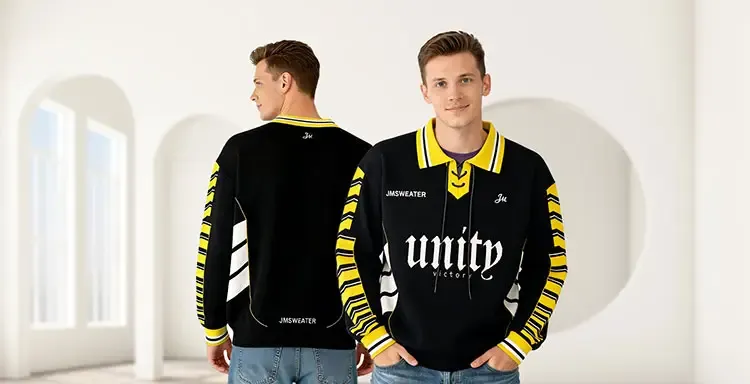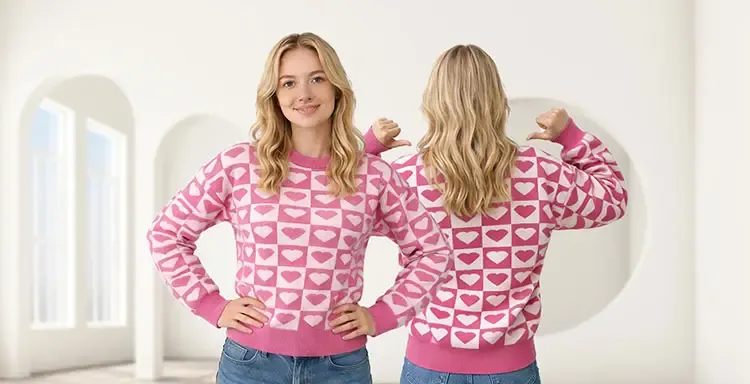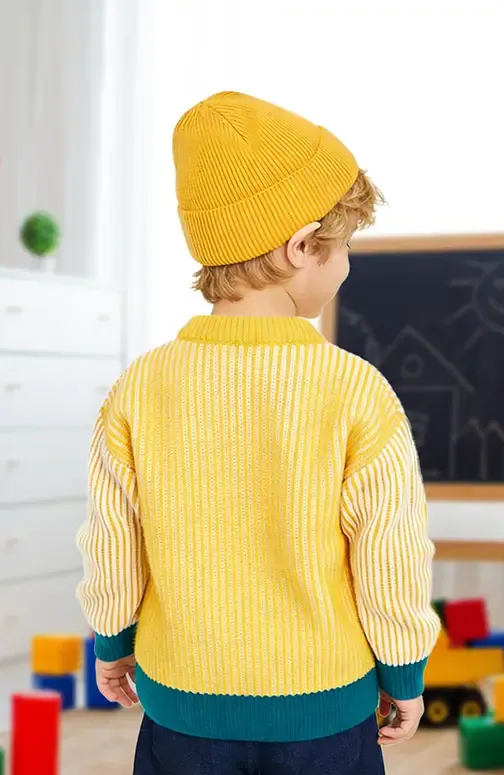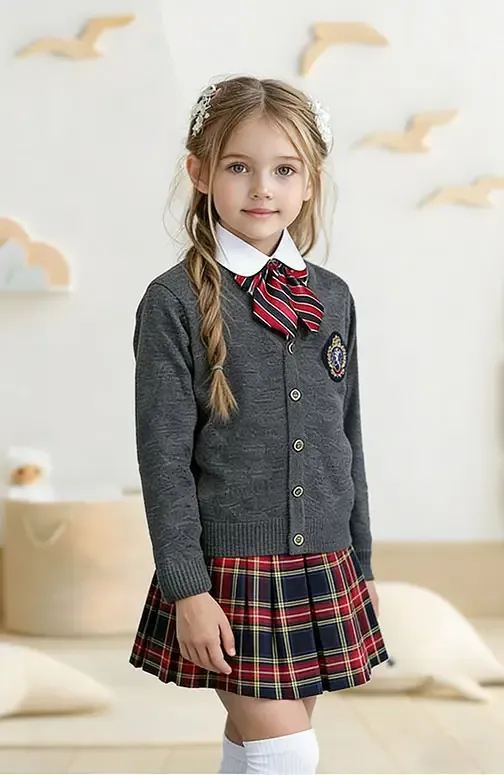

Two competing emotions are shaping the knitwear market for AW 2026.
On one side: a craving for calm, for the clean simplicity of digital-life minimalism.
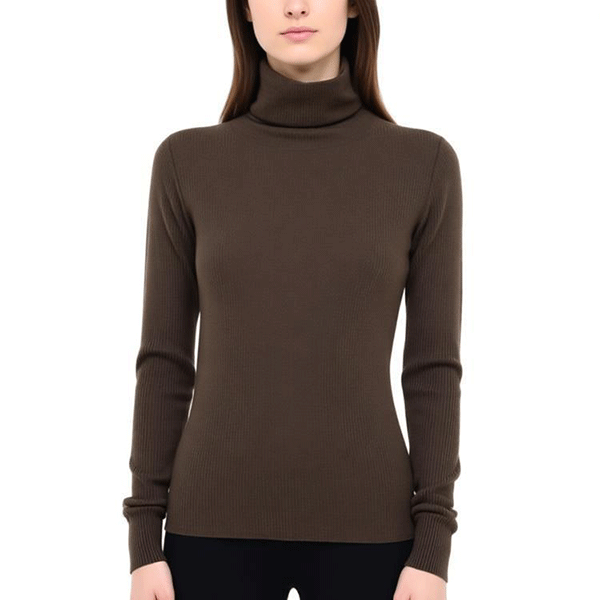
On the other: a pull toward texture that feels touched by human hands—not just programmed by a machine.
Here’s what that means for brands:
Buyers aren’t chasing disposable fast fashion anymore. They’re looking for pieces with emotional weight. Knits that feel personal, intentional, and built to last more than a season.
But let’s be honest—predicting the trend is one thing. Making it real, at scale, without killing the design along the way? That’s where things get messy.
So in this post, I’m breaking down what we’re actually seeing as a manufacturer in production for AW 2026—and how the brands getting it right are balancing creative vision with what’s doable on the factory floor.
1. The new cable knit: architectural, not traditional
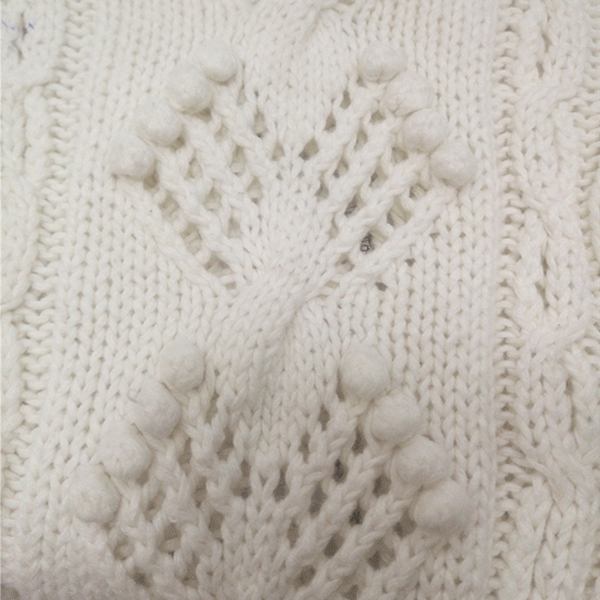
Cable knits aren’t going anywhere, but the look has evolved. Instead of those classic uniform braids, we’re seeing a shift toward irregular, 3D textures—almost sculptural. It gives a sweater real presence. But here’s where it gets tricky: achieving that kind of structure requires precise control over gauge and tension.
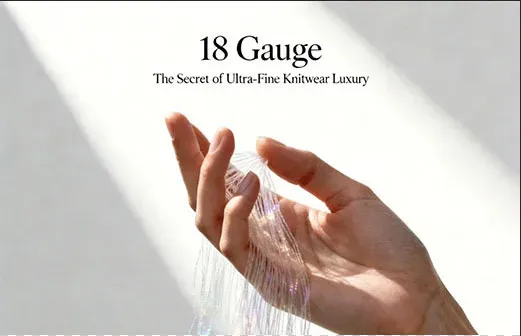
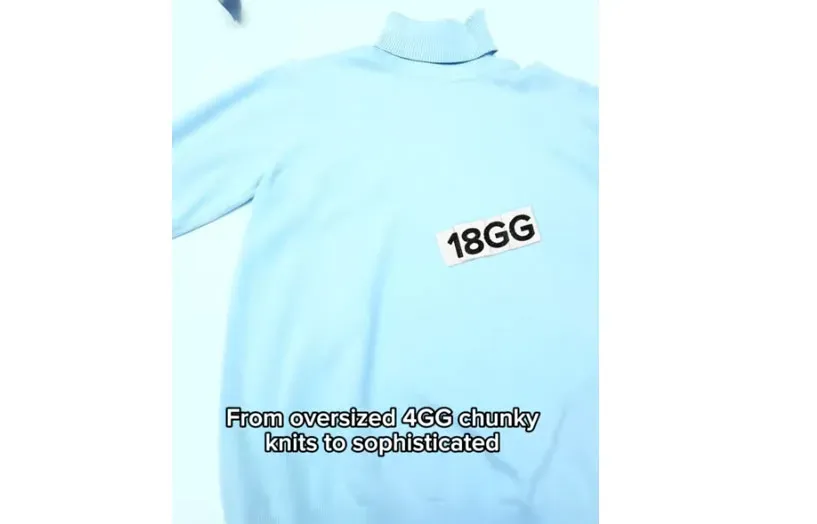
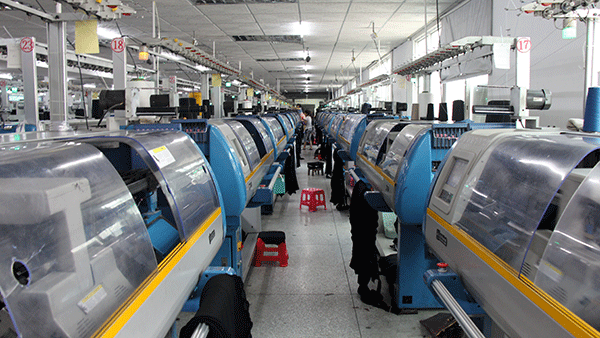
In practice, achieving crisp ribbing and a light fabric comes down to the level of control offered by 18-gauge high-precision machines.
Without it, the same design can easily end up feeling dense and heavy. It becomes more like a weighted blanket than a wearable piece. That kind of control makes a real difference. It gives you clean stitch definition on the outside and comfortable drape on the inside.
That’s the difference between a design that photographs well and one that actually wears well.
For a manufacturer, that’s the standard we aim to meet.
Cable knits aren’t going anywhere, but the look has evolved. Instead of those classic uniform braids, we’re seeing a shift toward irregular, 3D textures—almost sculptural. It gives a sweater real presence. But here’s where it gets tricky: achieving that kind of structure requires precise control over gauge and tension.
In practice, achieving crisp ribbing and a light fabric comes down to the level of control offered by 18-gauge high-precision machines.
Without it, the same design can easily end up feeling dense and heavy. It becomes more like a weighted blanket than a wearable piece. That kind of control makes a real difference. It gives you clean stitch definition on the outside and comfortable drape on the inside.
That’s the difference between a design that photographs well and one that actually wears well.
For a manufacturer, that’s the standard we aim to meet.
2.Oversized cardigans with a blurred, brushed finish
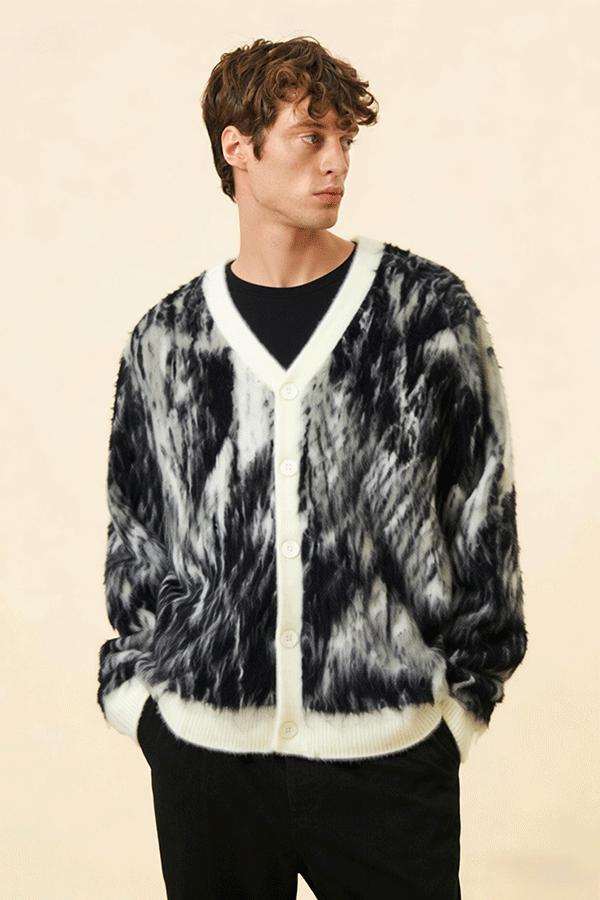
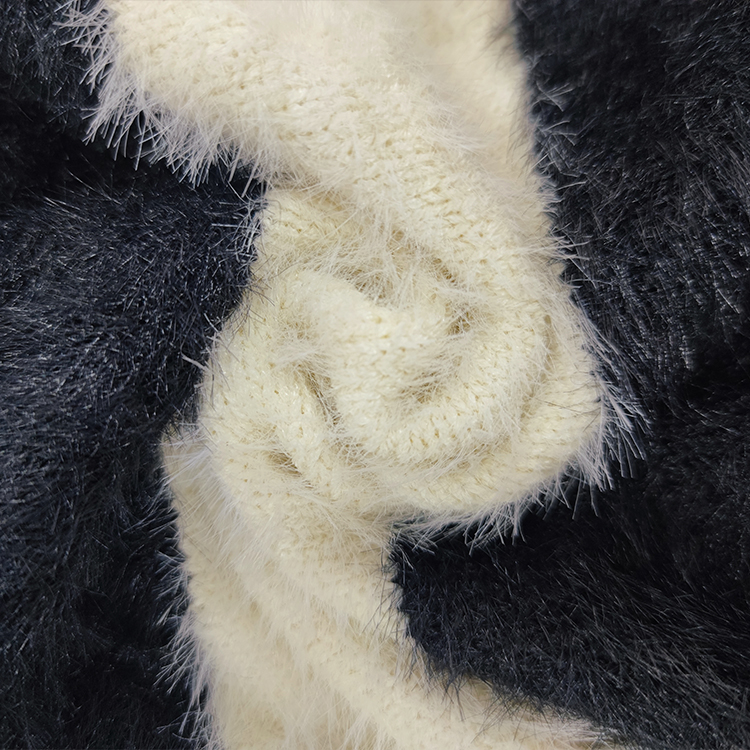
If you’ve been in the market lately, you’ve seen the demand for oversized cardigans with a soft, almost hazy surface. It’s that relaxed, wrapped-up feeling that’s been resonating with consumers.
The challenge is always the mohair. Get the blend or the brushing process wrong, and you end up with shedding issues or a fabric that feels itchy against the skin.
One way manufacturers handle this? RMS-certified mohair blends, plus careful control over the brushing process. That way, you get a plush hand feel—without compromising structural stability.
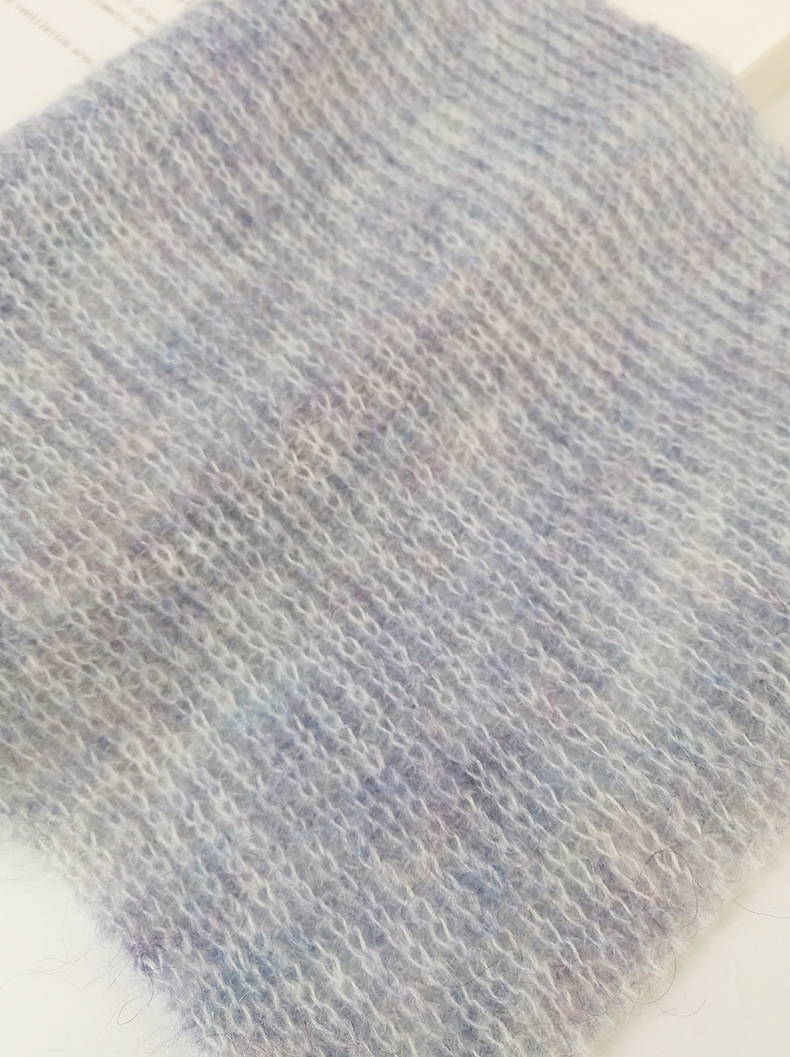
If you’ve been in the market lately, you’ve seen the demand for oversized cardigans with a soft, almost hazy surface. It’s that relaxed, wrapped-up feeling that’s been resonating with consumers.
The challenge is always the mohair. Get the blend or the brushing process wrong, and you end up with shedding issues or a fabric that feels itchy against the skin.
One way manufacturers handle this? RMS-certified mohair blends, plus careful control over the brushing process. That way, you get a plush hand feel—without compromising structural stability.
3. Quiet luxury with traceable fibers
“Quiet luxury” has been a buzzword for a few seasons now, but in AW 2026, it’s not just about looking minimal. It’s about knowing exactly where the materials came from. Traceable cashmere and extra-fine merino are becoming non-negotiable for brands positioning themselves at the higher end.
The catch? Sustainable yarns don’t always behave the same way in production—dye absorption, tension stability, all that. We’ve spent the last couple of years refining our programming and finishing processes to work with these materials efficiently.
And one side benefit I didn’t expect? We’ve cut down on production waste significantly just by optimizing the setup.That’s the kind of efficiency that matters when you’re scaling up for wholesale.
“Quiet luxury” has been a buzzword for a few seasons now, but in AW 2026, it’s not just about looking minimal. It’s about knowing exactly where the materials came from. Traceable cashmere and extra-fine merino are becoming non-negotiable for brands positioning themselves at the higher end.
The catch? Sustainable yarns don’t always behave the same way in production—dye absorption, tension stability, all that. We’ve spent the last couple of years refining our programming and finishing processes to work with these materials efficiently.
And one side benefit I didn’t expect? We’ve cut down on production waste significantly just by optimizing the setup.That’s the kind of efficiency that matters when you’re scaling up for wholesale.
4. Narrative designs: bold graphics with clean execution
On the more expressive side, we’re seeing a continuation of “ugly-cool” and poetcore aesthetics—graphics that actually tell a story. But when you’re working with complex color patterns, the technical execution matters just as much as the design.
Traditional jacquard can leave loose floats on the back, which limits how intricate you can get. If we learn on intarsia instead—it keeps both sides clean and lets us run high-complexity color combos without worrying about snagging or tension issues.
On the more expressive side, we’re seeing a continuation of “ugly-cool” and poetcore aesthetics—graphics that actually tell a story. But when you’re working with complex color patterns, the technical execution matters just as much as the design.
Traditional jacquard can leave loose floats on the back, which limits how intricate you can get. If we learn on intarsia instead—it keeps both sides clean and lets us run high-complexity color combos without worrying about snagging or tension issues.
So here’s the takeaway
Trends are easy. Execution is what separates a collection that lands from one that ends up on the discount rack.
Trends are easy. Execution is what separates a collection that lands from one that ends up on the discount rack.