

Chunky Knitwear Updates from Low Minimum Sweater Manufacturer
This section provides knitwear supplier updates and industry news from a Low Minimum Sweater Manufacturer and chunky knit sweater manufacturer, focusing on production trends, OEM manufacturing and global supply chain insights. It helps brands understand how low MOQ suppliers improve production efficiency, maintain consistent quality and respond quickly to market changes.
Sweater Company Updates
Category
Hot News
- The most popular seven women sweater design
- Have these dress is quite have the entire spring
- High quality army green military field sweater
- If you have an electric clothes that can provide power for old people
- How can always wear the simple style sweater? pattern sweater is the most fashionable
- pullover women sweater casual new styles in 2026 years
Latest News
- Junma Apparel Awarded Gold Manufacturer Status by Alibaba for Knitwear Excellence
- Fashion InStyle Hong Kong 2026:China Sweater Manufacturer Showcases Technical Knitting Innovation
- Engineering the Future: China Sweater Manufacturer at Fashion InStyle 2026
- Decoding 2026 Knitwear Trends: What to Expect at the 139th Canton Fair Phase 3
- Craft Value and Pattern Selection of Embroidered Sweaters
- Version Classification of Sweaters and Body Shape Adaptation Guide
Fashion InStyle Hong Kong 2026:China Sweater Manufacturer Showcases Technical Knitting Innovation
We joined Fashion InStyle Hong Kong 2026 from April 27 to 30, and it turned out to be an incredible opportunity to catch up with our long-term partners and connect with new brand buyers from all over the world. As a technology-driven knitwear manufacturer, we’ve always valued face-to-face interactions—and this event really reinforced why that matters. Technical Precision & New Collections Our booth put our full range of knitwear engineering on display, covering everything from heavy-gauge 2G textures to ultra-fine 18GG luxury pieces—showcasing just how versatile our production capabilities are for every season. Many visitors stopped to run their hands over our pieces: they were especially impressed by the sharp, clean details of our complex Intarsia patterns, as well as the soft, skin-friendly hand-feel of our eco-friendly yarn series. With over 15 years of OEM & ODM experience, we walked visitors through how we turn creative design concepts into workable, high-quality products—no more gaps between vision and production. Face-to-Face with Global Brands The best part of the fair? Sitting down with designers and sourcing leads from Europe and North America for in-depth technical chats. In a world where most communication happens digitally, there’s still no replacement for feeling the texture of a knit, examining stitch details up close, and bouncing ideas off each other in real time. These conversations helped us better understand their needs—and solidify partnerships that will carry forward. Looking Ahead A big thank-you to everyone who took the time to stop by our booth—your interest and feedback meant a lot to our team. If you missed us in Hong Kong, don’t worry: you can explore our technical white papers online, or reach out to our engineering team directly via our website, jmsweater.com. We’re already looking forward to connecting with you, whether in person at the next show or virtually. Junma Apparel Awarded Gold Manufacturer Status by Alibaba for Knitwear Excellence
Recognition for production capability and delivery track record in knitwear manufacturing Junma Apparel has been awarded Gold Manufacturer status on Alibaba International Station, following a verification process that covered production scale, factory audits, R&D capability, order fulfillment rates, and customer satisfaction metrics. The Gold Manufacturer badge—often referred to as Gold Supplier—requires a paid membership and verification of business licenses, with on-site inspections conducted by Alibaba.com staff to confirm operations exist at the claimed premises. For mainland China-based suppliers, the process includes third-party verification from firms such as Bureau Veritas, TÜV Rheinland, or SGS. "We're pleased with the recognition, but more importantly, it reflects what we've been doing day in and day out—controlling quality across the production line and delivering on time for our customers," said the General Manager of Junma Apparel. "The knitwear market is demanding faster turnarounds and better fabric consistency. This certification doesn't change our approach; it validates it. We'll keep investing in process refinement and flexible manufacturing capacity to stay responsive to client needs." Junma operates integrated production lines for knitted garments, from raw material selection and fabric development to seamless stitching and quality control. The company's in-house sampling team and automated equipment support its export business across North America, Europe, and Australia, where it supplies established brands and e-commerce partners. Looking ahead, the company plans to continue developing sustainable knitting technologies and streamlining production workflows. "Our job is to make our clients' supply chain simpler and more reliable," the General Manager added. "That's what we're built for." About Junma Apparel Junma Apparel is a manufacturer specializing in premium knitwear, casual wear, and seamless knitted products. The company provides integrated services from design and development through to production and export, with automated manufacturing facilities supporting one-stop supply chain solutions for global clients. Engineering the Future: China Sweater Manufacturer at Fashion InStyle 2026
China Sweater Manufacturer is heading to Fashion InStyle 2026, taking place at the Hong Kong Convention and Exhibition Centre (HKCEC) from April 27 to 30. With 20 years of knitwear manufacturing under our belt, we’re here to connect with global buyers—no fluff, just real solutions for your sourcing needs. We don’t just knit; we engineer knitwear. Our approach is simple: turn technical precision into practical value for your brand. Our advanced patterning systems analyze every yarn’s physical traits, and with fully fashioned knitting technology, we cut down on waste, craft ergonomic fits, and keep quality consistent—even for large production runs. This isn’t just manufacturing; it’s getting your orders right, every time. Sustainability doesn’t have to mean compromising on quality. We specialize in GRS-certified recycled cashmere and other circular materials that deliver the soft, premium feel your customers expect from high-end knitwear. For 2026’s urban lifestyle, we also offer ready-to-go solutions like washable merino wool jumpers—combining natural performance with easy care, so you can sell sustainable fashion that’s actually practical for everyday wear. As a low-MOQ custom knitwear manufacturer, we’re built for flexibility—perfect for emerging brands or limited capsule collections. We now offer intarsia logo customization starting at just 50 pieces, and even for delicate 18-gauge fine knitwear, we keep minimums low without sacrificing quality or speed. No more being stuck with large, risky orders; we adapt to your needs. At Fashion InStyle 2026, our goal is straightforward: build transparent, efficient partnerships with buyers who value technical expertise. We’re not here to talk big—we’re here to show you what we can do. Come visit our booth, see our samples in person, and let’s discuss how we can support your brand’s growth. Stay tuned for on-site updates during the show—we can’t wait to meet you in Hong Kong! Men fashion knitted cardigan
Men's new fashion knitted sweaters and cardigans in the past 22 years. They are versatile in leisure style. They are necessary sweaters in autumn and winter. They are energetic and warm. They have novel design. They are very suitable for matching clothes. JMSWEATER is a over 15 years professional sweater manufacturer that various sweaters are available to be customized as your requirements. Knitwear ranging from 1.5-18GG in jacquard, intarsia, flat bed knitting, circular knitting, hand knit and crochet. Various kinds of add-on process are available, thousands of material yarn offered with cashmere, merino wool, cotton, viscose, nylon, alpaca, linen, mohair etc. To know more of our procedures please feel free to send inquiry for us. Autumn and winter men daily round neck knitted pullover
Comfort is still the focus of daily T-shirts, and home style continues to promote the quantitative outline of knitwear. Brushed yarn enhances the touch, designers admire eye-catching patterns, while traditional designs are updated with modern and exquisite details to enhance the core pieces. JMSWEATER is a over 15 years professional sweater manufacturer that various sweaters are available to be customized as your requirements. Knitwear ranging from 1.5-18GG in jacquard, intarsia, flat bed knitting, circular knitting, hand knit and crochet. Various kinds of add-on process are available, thousands of material yarn offered with cashmere, merino wool, cotton, viscose, nylon, alpaca, linen, mohair etc. To know more of our procedures please feel free to send inquiry for us. Dynamic women's V-neck cardigan
Cardigans increased by 3% year-on-year on the T-stage, are very attractive in the retail market and social media, and are also reflected in the trend chart. The key factor for their popularity is that they are versatile and can be worn across seasons. After the epidemic, eye-catching and vibrant colors will stand out on double-sided knitting. Greenhouse flower embroidery and pulse wave digital effect pattern mix and match to create a retro look. Bold color stitching presents a lazy holiday atmosphere. The combination of vibrant colors and sustainable materials can enhance the core pieces. You can try lively tie dyeing and pulse wave digital effects. Combine the sharp dance style of the 1980s and 1990s with psychedelic elements to create a happy tone JMSWEATER is a over 15 years professional sweater manufacturer that various sweaters are available to be customized as your requirements. Knitwear ranging from 1.5-18GG in jacquard, intarsia, flat bed knitting, circular knitting, hand knit and crochet. Various kinds of add-on process are available, thousands of material yarn offered with cashmere, merino wool, cotton, viscose, nylon, alpaca, linen, mohair etc. To know more of our procedures please feel free to send inquiry for us. Craft Value and Pattern Selection of Embroidered Sweaters
Embroidered sweaters are a combination of knitting and embroidery technology, with both practical and decorative values. Their processes are divided into three-dimensional embroidery and flat embroidery. Three-dimensional embroidery such as towel embroidery has obvious raised patterns and full texture, suitable for creating a personalized street style; flat embroidery has delicate lines and exquisite patterns, suitable for commuting and light luxury scenarios. Pattern selection should be combined with dressing style. Simple small patterns such as letters and small flowers are versatile and suitable for any scene; large-area complex patterns such as retro patterns and cartoon images are suitable as outerwear items to improve eye-catching degree. In addition, embroidered sweaters can support personalized customization, and exclusive logos or patterns can be embroidered on the garment to meet the customization needs of brands or individuals. JMSWEATER is a over 17 years professional sweater manufacturer that various sweaters are available to be customized as your requirements. Knitwear ranging from 1.5-18GG in jacquard, intarsia, flat bed knitting, circular knitting, hand knit and crochet. Various kinds of add-on process are available, thousands of material yarn offered with cashmere, merino wool, cotton, viscose, nylon, alpaca, linen, mohair etc. To know more of our procedures please feel free to send inquiry for us. Web:https://jmsweater.com WhatsApp:008618520111505 Spring / summer China online fashion piece - two piece suit
This piece is easy to wear and is an update of the form of rich matching suits. Different from the conventional upper and lower matching suits, this layered pairing feels more complex and provides a new way to wear in cross season months. Flexible wearing and taking off can be realized according to the climate and scene, and layered wearing can be carried out from day to night to add value to the product. JMSWEATER is a over 15 years professional sweater manufacturer that various sweaters are available to be customized as your requirements. Knitwear ranging from 1.5-18GG in jacquard, intarsia, flat bed knitting, circular knitting, hand knit and crochet. Various kinds of add-on process are available, thousands of material yarn offered with cashmere, merino wool, cotton, viscose, nylon, alpaca, linen, mohair etc. To know more of our procedures please feel free to send inquiry for us. Version Classification of Sweaters and Body Shape Adaptation Guide
The version of a sweater directly affects the dressing effect, which is mainly divided into five categories: slim fit, loose fit, oversize, short style and long style. The slim fit is close to the body, suitable for people with a well-proportioned or thin figure, can highlight the sense of lines, and is suitable for workplace commuting; the loose fit is slightly wider than the body, friendly to people who are slightly fat, and can cover abdominal fat; the oversize version is wide, creating a lazy and casual style, suitable for matching with tight lower garments to balance the proportion; the short sweater is above the waist line, which can lengthen the leg line and is suitable for small people; the long sweater is over the buttocks, which has both warmth and fat-covering effects, suitable for outer wear in autumn and winter. JMSWEATER is a over 17 years professional sweater manufacturer that various sweaters are available to be customized as your requirements. Knitwear ranging from 1.5-18GG in jacquard, intarsia, flat bed knitting, circular knitting, hand knit and crochet. Various kinds of add-on process are available, thousands of material yarn offered with cashmere, merino wool, cotton, viscose, nylon, alpaca, linen, mohair etc. To know more of our procedures please feel free to send inquiry for us. WhatsApp:008618520111505 Advantages and Material Ratio of Wool Blended Sweaters
Wool blended sweaters combine the warmth of pure wool with the practicality of other fibers, and are cost-effective autumn and winter items. There are three common material ratios: wool + acrylic (mostly 7:3 ratio), which not only retains the softness and warmth of wool, but also improves anti-pilling and easy-care properties with acrylic; wool + cotton (mostly 6:4 ratio), which enhances air permeability and skin-friendliness, suitable for close-fitting wear; wool + nylon (mostly 8:2 ratio), which improves fabric toughness and extends service life. Different ratios are suitable for different scenarios. The 7:3 wool-acrylic blend is suitable for daily commuting, and the 6:4 wool-cotton blend is more suitable for people with sensitive skin, which can be selected according to needs when purchasing. JMSWEATER is a over 17 years professional sweater manufacturer that various sweaters are available to be customized as your requirements. Knitwear ranging from 1.5-18GG in jacquard, intarsia, flat bed knitting, circular knitting, hand knit and crochet. Various kinds of add-on process are available, thousands of material yarn offered with cashmere, merino wool, cotton, viscose, nylon, alpaca, linen, mohair etc. To know more of our procedures please feel free to send inquiry for us. WhatsApp:008618520111505
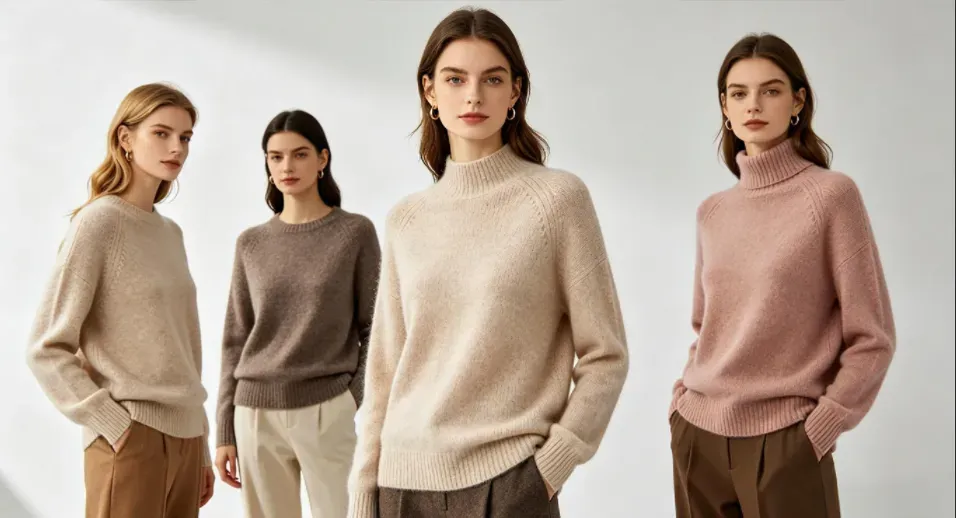
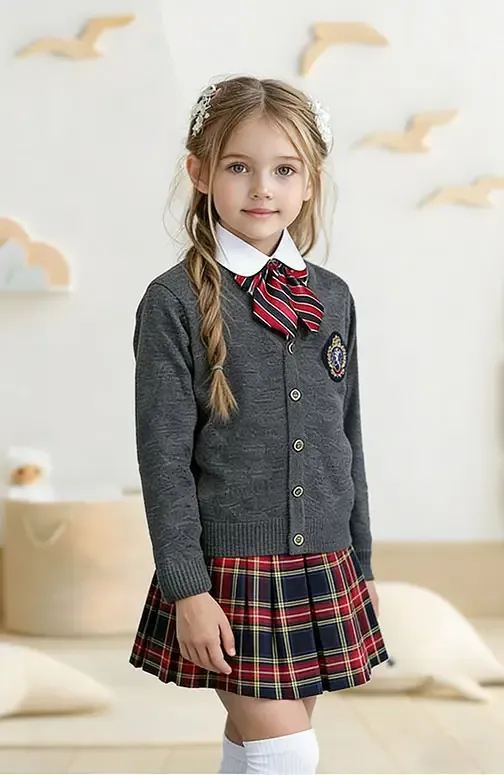
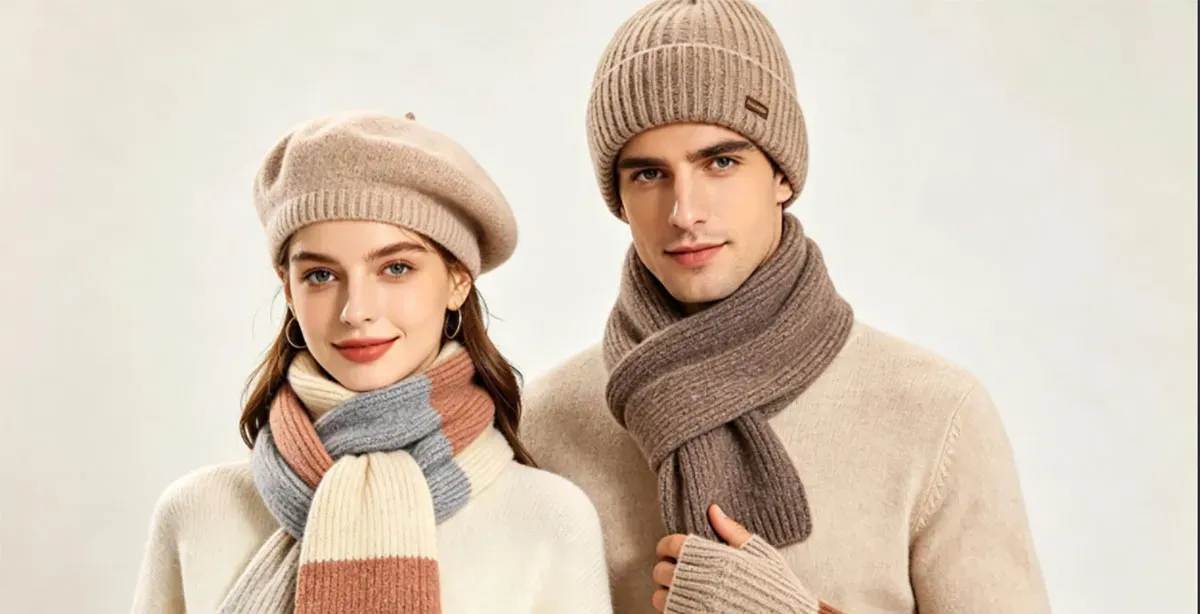
We can customize sweaters of various categories.



Sweater Manufacturer Blog
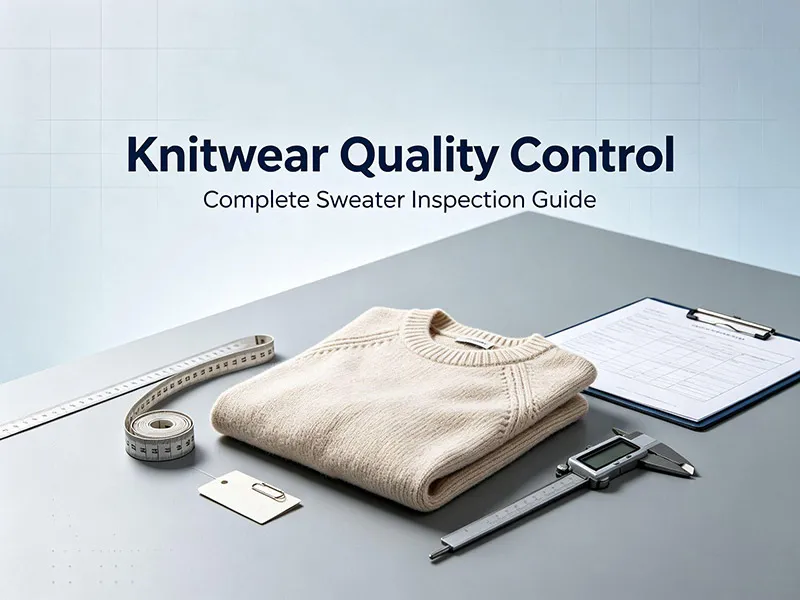
Knitwear Quality Control: Complete Sweater Inspection Guide
Subtitle:Sweater Manufacturer AQL 2.5, Torquing Prevention, Gauge‑Specific Checks, and Tolerances That Hold Up on the Measuring Table In cross-border knitwear sourcing and custom production, your Quality Control (QC) setup isn't just an inspection checkpoint—it’s the single biggest factor dictating your brand’s margin and survival. Unlike standard wovens, fully-fashioned knits are built loop by loop. Variable yarn tension, moisture regain, unpredictable relaxation shrinkage, and complex panel linking make knitwear inherently dynamic on the factory floor. Over the years, as a professional sweater manufacturer I’ve seen too many brands watch their profits burn over preventable finishing errors: distorted necklines, twisted side seams, premature pilling, or a dropped loop that unravels an entire panel in transit. Left unchecked at the mill, these micro-defects land squarely on the retail side—driving up return rates, damaging retailer relationships, and triggering costly chargebacks. To protect your shipments, we’ve broken down our factory-floor inspection framework into a practical playbook for international sourcing directors, technical designers, and buyers. Below is a breakdown of the core operational protocols covered in this guide: Why standard woven inspections fail on knitwear: How yarn mechanics, gauge tension, and structural elasticity force a completely different inspection approach. The five defects that actually cost you money – and how we stop them: Root causes and real-world countermeasures for spiralling, pilling, shading, and open seams before bulk packing. AQL 2.5/4.0 – thresholds that actually get used: A breakdown of sampling sizes, defect classification (Critical, Major, Minor), and pass/fail rules on the measuring table. Gauge-specific checks: 3GG is not 12GG: Tailoring inspection parameters to match the structural risks of coarse-gauge chunkies versus fine-gauge knits. Measurement POMs and the tolerance trap: Practical flat-lay protocols and realistic tolerance sheets that eliminate stretch disputes between buyers and factory QC teams. Tech Pack must-haves + handling third-party inspectors (SGS/ITS/BV): Aligning your spec sheets and factory SOPs to guarantee clean third-party field reports and zero-defect deliveries. Whether you're an established private-label brand scaling up seasonal bulk orders or a sourcing engineer tightening up your supplier quality agreement, this guide outlines the exact protocols needed to de-risk your knitwear supply chain from cone to carton. Why standard woven inspections fail on knitwear If your QC team uses a woven‑garment checklist on sweaters, you’re effectively writing off a percentage of your order before it leaves the factory. Wovens are cut from stable cloth; knits are loops that move. Tension, moisture regain, and yarn twist behave differently on every batch. I’ve personally watched S‑twist yarns wreck a 12GG production run in our Guangzhou facility simply because the steaming cycle wasn’t adjusted for that specific lot. The side seams spiralled so badly we had to pull the whole batch at the lightboard. The structural shift is simple: a broken thread in a woven stays local; a dropped loop in a knit can ladder the entire panel. So we measure different things: Tension & stress release – if the knitting stress isn’t steamed out, the garment shrinks or twists in the first home wash. Moisture regain – batch‑to‑batch humidity changes shift finished dimensions more than most buyers realise. Torquing – unbalanced single‑ply twist creates that ugly spiral effect. You can’t iron it out, and you can’t press it flat. We run three dynamic tests on every style: neck/cuff recovery (stretch it and see if it snaps back), light‑board scanning (every piece, no exceptions), and shade matching under D65/TL84 before linking. That last one catches dye‑lot mismatches that would otherwise only show up after packing. The five defects that actually cost you money – and how we stop them Defect What causes it Our fix on the floor Torquing / seam twist Over‑twisted yarn or uneven steam setting Pre‑knit reaming to relax twist; we slow the feed tension on the machine if the yarn feels tight; high‑temp steam set after knitting Pilling Short‑staple fibres or too much softener in the wash Switch to long‑staple/combed yarn; run a Martindale test at sample stage – if it scores below 3.5, we don’t cut Dropped stitches / holes Worn latch needles or poor linking Daily needle changes; 100% light‑board scan – zero tolerance. One hole, out of the shipment. Shading / dye‑lot variation Different dye batches or unstable vat temp Strict dye‑lot control; we hold back trims and body panels until they’re matched side‑by‑side under the lightbox Wash‑induced shrink No pre‑shrink allowance or mismatched blend rates Build 3‑5% shrink into the knitting programme; wash‑test the pilot sample and adjust before bulk Here’s a dirty little secret that doesn’t make it into the textbooks: some factories over‑stretch the rib during finishing just to hit the chest measurement on the table. That rib snaps back in transit, and suddenly your spec sheet is worthless. We check the relaxed state specifically to catch that – not the stretched number the production line wants to show you. AQL 2.5/4.0 – thresholds that actually get used We run General Inspection Level II for final random inspection. Critical defects are AQL 0 – one broken needle or a missing fibre label and the whole order stops. For a 2,000‑piece order, we pull 125 pieces. If we find 7 Majors and 10 Minors, the batch rolls. If Majors hit 8, we reject it on the spot. No debate. Real‑world classification (knits only): Major – dropped stitch, open linking seam, side‑seam twist >3%, measurement out of spec, obvious shading. Minor – loose thread >1cm inside, misplaced hang‑tag, light press mark. I’ve had third‑party inspectors flag a 2cm length difference on a heavy 5GG cable knit. We stopped the inspection, let that sweater relax flat for the full 24 hours, and re‑measured. It came back within tolerance. They signed the field report. That’s why we always build a relaxation hold into the FRI schedule – and we insist the inspector watches the re‑measure. Gauge‑specific checks: 3GG is not 12GG Coarse (3‑5GG) – gravity is your enemy. We never hang these; we measure after 24 hours flat. Linking strength gets a hard pull test at the shoulder. Mid (7‑9GG) – torquing and rib recovery are the trouble spots. We check side‑seam twist (must be ≤3%) and stretch neck/cuffs to verify snap‑back. If the rib doesn’t return, we add spandex in the next run. Fine (12‑14GG) – micro‑holes and density. 100% lightboard scan; we use a density glass to check courses and wales per inch and hold ±3% across the batch. Measurement POMs and the tolerance trap Never measure straight out of the polybag. That’s a rookie mistake that costs buyers thousands in false chargebacks. Our protocol: flat‑lay for 2‑4 hours (24 hours for coarse gauges), no stretching, non‑stretch steel tape. Core POMs we actually use: Body length – HPS to hem (including rib) Chest width – half measure, 1” below armhole Shoulder – seam to seam Sleeve length – from CB neck to cuff Neck width/depth – at seam and from back neck to front dip Tolerance sheet (by gauge): POM Fine (12‑14GG) Mid (7‑9GG) Coarse (3‑5GG) Heavy texture Body length ±1.0 cm ±1.2 cm ±1.5 cm ±2.0 cm Chest (half) ±0.8 cm ±1.0 cm ±1.5 cm ±1.5 cm Shoulder ±0.8 cm ±1.0 cm ±1.2 cm ±1.5 cm Sleeve ±1.0 cm ±1.2 cm ±1.5 cm ±2.0 cm Neck ±0.5 cm ±0.8 cm ±1.0 cm ±1.0 cm If the yarn has high spandex content, we add 0.3‑0.5cm on horizontal measures – but we flag that in the Tech Pack before production, never after the fact. Tech Pack must‑haves + handling third‑party inspectors (SGS/ITS/BV) Over 40% of disputes we mediate come down to one thing: the Tech Pack doesn’t specify the relaxed state. Yours must include: Yarn blend and count (e.g. 2/28NM) plus dye method Gauge and stitch structure, with a max float‑length limit A clear POM diagram – not just text Pantone reference and light‑source priority (D65 > TL84) Label position, thread spec, and packing details Performance numbers: pilling ≥3.5, colourfastness ≥4, shrink ≤3% For the 3rd‑party inspector: we give them a dedicated table, lightbox, and lightboard. The checklist they use must match the approved PP sample to the letter – no last‑minute tolerance changes. If they flag an out‑of‑spec measurement, our QC lead has the right to stop the process, re‑relax the piece, and re‑measure on the spot. We photograph the disputed point, sign the field report together, and keep a sealed sample for appeal. Final word (straight to the point) Knitwear quality isn’t inspected in at the end – it’s built into the yarn tension, the relaxation time, and the gauge‑specific checkpoints. If your Tech Pack doesn’t already specify the relaxed state and the recovery test, we’ve got a gap to close before we cut a single cone of yarn. If you’re sourcing knitwear and want a partner who runs these protocols daily – and who will flag the risks before they become chargebacks – send your Tech Pack over. Our technical team will give you a no‑cost feasibility read, a tolerance sample to check our finishing standards, and a supply‑chain risk review specific to your next season.
view more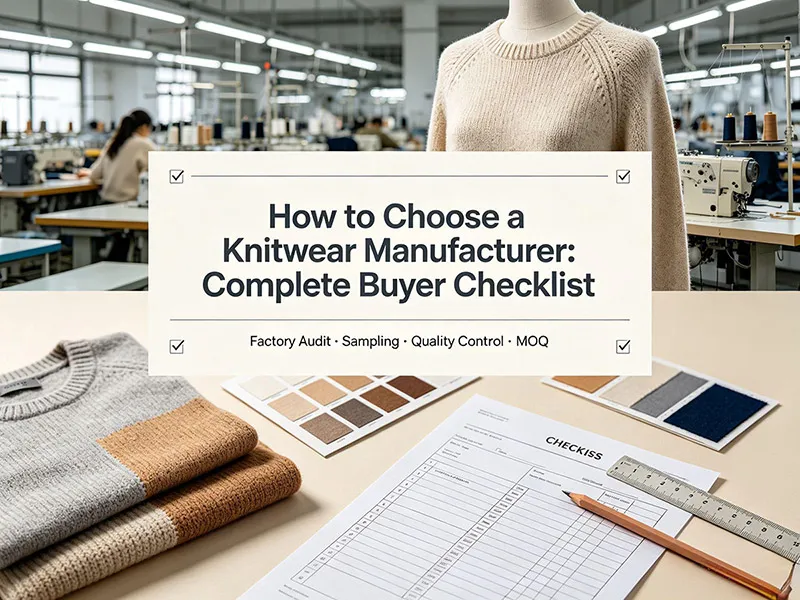
How to Choose a Knitwear Manufacturer: Complete Buyer Checklist
How to Choose a Knitwear Manufacturer: Complete Buyer Checklist A Step-by-Step Sourcing Guide for Brands — Even Without a Tech Pack Sweater Manufacturer demand is rising as the global knitwear market is projected to surpass $1 trillion by 2035, with demand for high-quality sweaters continuing to grow. But for brand founders, capturing this growth isn't easy. Let’s cut the flattery. Finding a sweater factory isn’t about winning a lowball bidding war. In my experience, the cheapest quote usually comes with hidden costs: missed ship dates, inconsistent sizing, pilling after two washes, and a communication blackhole that makes you want to pull your own hair out. Smart sourcing isn’t about price. It’s about finding a manufacturing partner that’s responsive, transparent, and technically competent. Even if you don’t have a technical designer on staff or a fully built-out tech pack, you can screen factories quickly using these four core criteria. Here’s exactly how. 1. Hardware & Process: What’s Actually on the Floor Forget the glossy sales pitch. A factory’s real capability comes down to two things: the knitting machines they run and how they stitch the pieces together. Gauge (GG) Selection & Machine Capability Gauge refers to the number of needles per inch on the knitting bed. Higher GG = finer, lighter fabric. But here’s the catch: a factory needs the native machine for each gauge. You’re looking for STOLL (Germany) or SHIMA SEIKI (Japan) equipment, not knockoffs. Here’s how the gauges break down: Coarse Knit (3GG – 5GG): Heavyweight fall/winter sweaters, cable knits, cardigans. This gauge tests a factory’s tension control on wide-gauge beds. Mid-Gauge (7GG – 9GG): Your bread-and-butter spring/fall styles. This is the volume sweet spot. The key metric here is stitch uniformity across bulk production. Fine & Superfine (12GG – 18GG): Base layers, fine merino, and cashmere blends. This is where the factory’s climate control and finishing processes get scrutinized. Temperature and humidity swings wreck fine-gauge production. Red flag: A factory that claims they can run 7GG on a 12GG machine by "modifying" the settings. That’s a fancy way of saying your sweater will stretch out and lose its shape after one wear. Walk away. The Joining Process: What Determines Garment Durability This is the single biggest differentiator between a premium sweater and fast-fashion garbage. Hand-Linking (Looping): Each stitch from the knitted panels is looped onto a linking machine, one by one. The result? Seams that are flat, elastic, and almost invisible against the skin. This is how you build garments that last. Cut-and-Sew (Overlock): The cheaper, faster route. Panels get cut with scissors and stitched together with an overlock machine. The seams are bulky, have zero give, and will start fraying at the edges after a few wash cycles. Bottom line: if you’re selling a premium product, hand-linking is non-negotiable. If you’re chasing ultra-low cost, just know the trade-offs. 2. Decoding MOQ: How to Test the Waters Without Breaking the Bank Here’s a truth most brand founders learn the hard way: the MOQ bottleneck usually isn’t the factory’s knitting machines. It’s the dye house. Most mills set dye-lot minimums at 100–300 kg per color. That translates to roughly 300–1,000 finished garments, depending on weight. So how do you get started with 100–200 pieces? Stock service yarns. Stock Service vs. Custom Dyeing If you insist on a specific Pantone match, be prepared to pay for custom dyeing—and wait an extra 2–3 weeks for lab dips and strike-offs. But if you’re willing to work from the factory’s stock yarn color cards, everything changes. Criteria Stock Service Yarns Custom Dyeing MOQ Low (100–200 pcs/design) High (300–1,000+ pcs/design) Lead Time Fast (3–7 days for strike-offs) Slow (adds 2–3 weeks for color development) Risk Low—test multiple colors easily High—you’re sitting on leftover yarn Pro tip: When you send your RFQ, ask this exact question: “What’s your MOQ if we use your stock service yarns?” The answer will tell you immediately if they’re set up for agile, small-batch production or if they’re still operating in the old-school volume model. 3. Sampling Without a Tech Pack & Rigorous Quality Control A good OEM/ODM factory is essentially a development partner. They don’t need a perfect tech pack to start working with you. How to Kick Off Sampling Send them any one of these: High-res reference images or sketches—clearly mark the silhouette and pattern details you want. A physical sample garment—this is the gold standard. Even if it’s the wrong fabric or a different brand, they can reverse-engineer the measurements and build a new pattern from it. The Three Critical Samples Before Production Don’t skip these. Each one protects you from expensive mistakes. Knit-down (Yarn Swatch): This is your first sanity check. It confirms the actual yarn hand-feel, the true color, and how the stitch pattern renders. Approve this before the factory cuts a single panel. Proto Sample (First Fit Sample): This is your first look at actual garment silhouette and construction. Check the fit, the drop, the armhole depth. This is where you catch pattern issues. PPS (Pre-Production Sample): This is the non-negotiable gatekeeper. The PPS must be made with 100% production yarn, trims, and finishing processes. That means the same dye lot, the same wash, the same steam-setting. Do not—under any circumstances—authorize bulk production without a signed-off PPS in hand. The Quality Benchmarks That Matter (AQL 2.5) Hold your factory to these three metrics during the final inspection: Size tolerance: Within ±1.5 cm of the spec sheet. Pilling resistance: ISO/AATCC rating of 3–4 or higher. Anything below that and your customers will complain within weeks. Washing shrinkage: Must fall within ±3% to ±5% after the standard wash-and-set finishing process. 4. Sending a Smart RFQ & Spotting Supplier Red Flags You don’t need a novel. You need a concise, information-rich inquiry that gets you a real quote on the first pass. The Four Components of a High-Conversion RFQ Include these four elements, and you’ll get a useful response—not a generic brochure. Estimated quantity: Total pieces AND breakdown per color. (Example: 200 total, 100 pcs in Navy, 100 pcs in Charcoal) Visual reference: Either a high-quality photo or simply state: “Sample garment available for shipping.” Yarn & gauge preferences: Be specific. (Example: “7GG mid-gauge, cotton-blend, using your stock service yarns.”) Target market & delivery deadline: (Example: “US market—must hit warehouse by October 15th.”) Factory Red Flags: Three to Walk Away From I’ve seen these patterns repeat across dozens of factory audits. If you hit any of these, keep looking. Slow sampling response: If they can’t turn a proto sample around on time, they’re telling you—loudly—that they can’t manage production schedules. Bulk will be worse. Pushing custom dyeing exclusively: If they refuse to show you a stock yarn color card and insist on high-MOQ custom dyeing, they don’t have a service model for emerging brands. They’re still hunting whales. No industrial steam-setting equipment: If they’re finishing sweaters with a hand iron instead of a proper steam tunnel or press, your garments will shrink and deform after the customer’s first wash. That’s a chargeback waiting to happen. Final Take: Build a Supply Chain, Not a One-Off Deal Choosing a knitwear factory isn't a transaction. It’s the foundation of your brand’s supply chain. The playbook is simple: Use stock service yarns to de-risk your initial order. Lock down your PPS before bulk production starts. Send a tight, data-driven RFQ to filter out time-wasters. Do that, and you’ll operate like a seasoned sourcing pro—regardless of your team’s size. Ready to Skip the Sourcing Headaches? Finding a knitwear partner who balances flexible MOQs, rigid quality control, and transparent communication shouldn’t feel like a gamble. At JM Sweater (Guangzhou Junma Apparel Co., Ltd.), we’ve spent 21 years perfecting custom knitwear manufacturing for growing global brands. With a 3,000 m² facility and annual capacity of 1.2M garments, we bridge the gap between high-end craftsmanship and flexible production—whether you need low-MOQ stock yarn development or full-scale OEM/ODM runs. Need help reviewing a Tech Pack or calculating yarn yield? [Get a Free Production Assessment & Quote within 24 Hours]
view more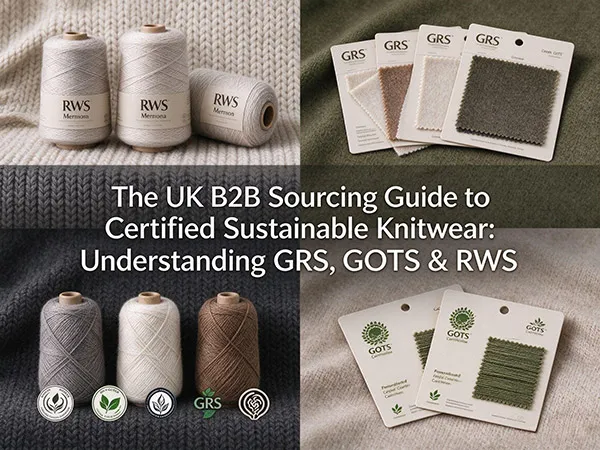
The UK B2B Sourcing Guide to Certified Sustainable Knitwear: Understanding GRS, GOTS & RWS
Table of Contents 1. Introduction: The Shift from Trend to Compliance in UK Knitwear Sourcing 2. Decoding the Top 3 Certifications for Sustainable Knitwear 3. GRS vs. GOTS vs. RWS: Which Standard Does Your Knitwear Line Need? 4. How Chain of Custody Works: From Yarn to Transaction Certificate (TC) 5. Practical Checklist: Sourcing Certified Sustainable Knitwear from China 6. Partner with a Certified Knitwear Manufacturer for the UK Market 1. Executive Summary & Market Context The UK Sustainable Fashion Landscape In the UK knitwear market, sustainability is no longer a "value-add" for brand marketing—it has become the entry threshold that determines whether a supply chain can access British retail channels at all. From London high-street brands to independent designer labels operating in the premium sector, buyer preferences for knitwear raw materials are undergoing a fundamental shift: High-performance natural fibres and recycled materials running in parallel: Demand remains strong for premium natural sweaters built on Merino wool and lambswool, but buyers are increasingly uncompromising on raw material traceability. At the same time, the adoption of recycled polyester, recycled cashmere, and recycled blended yarns across gauge ranges from 7GG to 14GG has risen sharply. From product-level scrutiny to full-chain transparency: UK brand sourcing teams are no longer satisfied with the numbers on a yarn composition sheet. They require an OEM knitwear manufacturer to provide clear, verifiable environmental credentials at every processing stage—from flat-bed knitting and linking through to washing, milling, and final packaging. The Regulatory Push: CMA Green Claims Code & DMCCA Compliance The core driver behind this shift is the UK's increasingly stringent legal compliance environment. The Competition and Markets Authority's Green Claims Code, together with the latest Digital Markets, Competition and Consumers Act (DMCCA), has fundamentally rewritten the compliance rulebook for garment import and sale: Severe penalties for non-compliance: Under current legislation, brands or retailers making vague, exaggerated, or unsubstantiated environmental claims—i.e., greenwashing—face fines of up to 10% of global annual turnover. More critically, this scrutiny now extends upstream into the manufacturing supply chain. To mitigate substantial legal risk and brand reputation damage, UK buyers are absolutely uncompromising when it comes to official certification from Chinese knitwear manufacturers: Scope Certificate (SC): Verifies that the production facility—such as Guangzhou Junma Apparel and its partner dyehouses and yarn mills—holds the legal, compliant qualification to produce under GRS, GOTS, or RWS certification. Transaction Certificate (TC): Serving as the "passport" for each batch of goods, the TC provides a closed-loop traceability chain from raw material procurement through to finished product shipment. It is the only legally recognised document UK buyers can present during CMA regulatory audits. For UK sourcing managers, choosing a knitwear manufacturer that not only understands computerised flat-bed knitting technology but can also efficiently issue SC/TC documentation is mission-critical to keeping their supply chain secure and ensuring smooth market access. 2. Deep Dive: Core Sustainable Knitwear Standards Decoding the Top 3 Certifications for Sustainable Knitwear In knitwear export and manufacturing, different fibre types map to entirely different certification systems. Understanding the technical details of GRS, GOTS, and RWS is the foundational prerequisite for compliant sourcing by UK buyers. GRS (Global Recycled Standard) – The Industry Benchmark for Recycled Fibres Applicable materials: Recycled polyester, recycled nylon, recycled cashmere, and recycled wool blend yarns. Core thresholds: Products containing ≥20% recycled content qualify for a B2B traceability TC. To hang the official GRS hangtag at UK retail, the finished garment must contain ≥50% recycled content. Audit scope: Covers not only raw material traceability (Chain of Custody) but also chemical restrictions (MRSL compliance), wastewater treatment, and factory social responsibility. GOTS (Global Organic Textile Standard) – The Gold Standard for Organic Cotton and Linen Knits Applicable materials: Organic cotton, organic linen, and natural organic blended fibres. Two certification grades: Organic: ≥95% organic fibre content. Made with Organic: ≥70% organic fibre content (the remaining 30% must be specific non-organic fibres, with strict prohibition on blending the same fibre type). Full-process control: From ginning to finished knitwear, PFAS, azo dyes, and heavy metals are strictly prohibited. Sewing threads, care labels, buttons, and other trims must also comply with the GOTS Approved Chemicals list. RWS (Responsible Wool Standard) – The Mandatory "Passport" for UK Wool Sweaters Applicable materials: Merino wool, lambswool, and wool blend yarns. Three core pillars: Animal welfare: Mandatory prohibition of mulesing; assurance of sheep health. Land management: Protection of pasture soil and ecological balance. Full traceability: End-to-end oversight from farm shearing, scouring, and spinning through to flat-bed knitting of the finished garment. 3. Comparative Analysis & Strategic Choice GRS vs. GOTS vs. RWS: Which Standard Does Your Knitwear Line Need? When developing knitwear ranges for the UK market, stacking certifications indiscriminately drives unnecessary production costs. Sourcing teams need to match certification strategy precisely to their product line's fibre composition and target customer base. Comparison Matrix for B2B Buyers Dimension GRS (Global Recycled Standard) GOTS (Global Organic Textile Standard) RWS (Responsible Wool Standard) Primary fibre types Recycled polyester/nylon, recycled cashmere/wool GOTS organic cotton, organic linen, natural organic blends Merino wool, lambswool, and other raw wool and blends Suitable knitwear categories Fashion women's cardigans, men's sportswear blend sweaters Baby and children's knitwear, next-to-skin base layers, summer cotton knits UK autumn/winter heavy knits, classic wool sweaters, pullovers Minimum content threshold 20% (TC traceability) / 50% (hangtag) 70% (Made with) / 95% (Organic) No hard minimum (requires tier-by-tier traceability) Core audit focus Recycled content, MRSL chemicals, environmental responsibility Organic farming origin, PFAS/heavy metal prohibition, full trim compliance Animal welfare (mulesing-free wool), pasture land management UK buyer recognition Very high (essential for fast fashion and high-street brands) Very high (premium organic, babywear, and sustainable brands) Mandatory/preferred (mid-to-premium brands such as Cos, Barbour) The Ultimate Triple-Lock Assurance for UK Retailers Relying on a single material certification alone is no longer sufficient to fully satisfy the factory audit requirements of premium UK retailers. In practical export operations, we recommend UK buyers build a "Triple-Lock System": Material Traceability: Specify GRS / GOTS / RWS to ensure ongoing source compliance, with the factory issuing batch-level TCs for finished goods. Chemical Safety: Pair with OEKO-TEX Standard 100 to ensure finished knitwear contains no residual harmful chemicals and is safe for direct skin contact. Social Compliance: Support with SEDEX (SMETA) or BSCI audit reports to meet UK brand requirements for labour rights, working hours, wages, and workplace safety on the production floor. 4. Supply Chain Traceability & Technical Execution How Chain of Custody Works: From Yarn to Transaction Certificate (TC) Building a knitwear supply chain that meets UK market regulation hinges on implementing Chain of Custody traceability. No compliant export can happen without the "dual certificate" framework and disciplined flat-bed knitting production controls. Understanding SC (Scope Certificate) vs. TC (Transaction Certificate) Scope Certificate (SC): The factory's "operating licence"—proving that the production entity (e.g., Guangzhou Junma Apparel and its partner yarn mills and dyehouses) holds the qualification to operate under GRS, GOTS, or RWS specifications. Transaction Certificate (TC): The "tracking passport" for a specific batch of goods—recording in detail the weight, batch numbers, and ownership transfer from each yarn lot through to finished garments. It is the legal basis UK buyers rely on during CMA audits. Step-by-Step TC Flow in Flat Knitting Production Closed-loop traceability flow: Yarn Supplier (issues TC 1) Knitting Factory (draws materials against TC 1, processes, and issues TC 2) UK Buyer / Import (receives finished-goods TC 3) Technical Challenges in Sustainable Knitwear Manufacturing Knitting waste and MOQ: Recycled fibres (such as GRS recycled cashmere/cotton) contain more short staple fibres, resulting in higher breakage rates on computerised flat-bed knitting machines. Workshops need to budget 5–8% additional waste allowance and plan order quantities around the MOQ of certified yarns. Cross-contamination prevention on the floor: At knitting, linking, and washing/milling stages, establish physically segregated zones. Certified materials must never be mixed with conventional fibres. Garment packaging compliance: Specify GRS-certified recycled PE bags (≥30% recycled plastic content) for outer packaging—this directly helps UK buyers secure exemption from the UK Plastic Packaging Tax (PPT). 5. Actionable Sourcing Checklist for UK Buyers Practical Checklist: Sourcing Certified Sustainable Knitwear from China China is the primary source of imports for UK sustainable knitwear. To help UK buyers quickly verify a factory's genuine compliance capability before placing orders, sourcing teams should prioritise the following five critical questions when evaluating Chinese suppliers: 5 Critical Questions to Ask Your Knitwear Manufacturer 1. Does the factory itself hold a currently valid SC certificate? Pitfall to avoid: Holding only an upstream yarn mill's certificate is not enough. The flat-bed knitting and linking factory (e.g., Guangzhou Junma Apparel) must itself hold a valid GRS/GOTS/RWS Scope Certificate to legally issue traceability documentation at the garment-making stage. 2. Can the factory issue an official TC covering the garment batch promptly after shipment? Pitfall to avoid: Confirm whether the factory is familiar with the TC application procedures of certification bodies (e.g., Control Union, Intertek) and can provide the official TC closing documents within 60–180 days of shipment. 3. Do finishing chemicals comply with the ZDHC MRSL / GOTS approved list? Pitfall to avoid: Wool anti-shrink agents, milling aids, and setting agents must comply with ZDHC MRSL or GOTS Approved Chemicals requirements to ensure no harmful chemical residues remain. 4. For low MOQ orders, is there a stock-service solution for certified yarns? Pitfall to avoid: Ask whether the factory stocks colour-spun certified yarns such as GRS recycled cashmere and RWS merino wool—this helps emerging UK brands reduce MOQs and shorten sample development lead times. 5. Do outer packaging and hangtag layouts comply with the latest UK labelling guidelines? Pitfall to avoid: Check whether the official logo usage and copy layout on garment hangtags have been reviewed and approved by the certification body, and whether packaging bags meet the UK recycled plastic content requirement (≥30%). 6. Conclusion & Call to Action Partner with a Certified Knitwear Manufacturer for the UK Market Against the backdrop of an increasingly stringent regulatory environment in the UK fashion market, a transparent, traceable knitwear supply chain that conforms to GRS, GOTS, and RWS certification is now the cornerstone for brands to mitigate CMA legal risk and build consumer trust. As a specialised factory with deep roots in knitwear manufacturing and export, Guangzhou Junma Apparel (JM Sweater) operates advanced computerised flat-bed knitting equipment and refined linking and finishing processes, and has fully established a compliant GRS, GOTS, and RWS supply chain traceability system. We offer precision knitwear development and production across the full 3GG–18GG gauge range, and can assist UK buyers in smoothly obtaining official batch-level TCs—ensuring your products fully meet UK market access and CMA compliant sustainable knitwear regulatory requirements. Accelerate Your Sustainable Knitwear Sourcing Looking for a reliable, compliant Chinese manufacturing partner for your next UK knitwear development season? Request Certified Sample Pack Request yarn colour cards & swatches (GRS recycled cashmere & RWS merino wool) Verify Compliance Credentials Review copies of our Scope Certificates (SC) at any time Contact JM Sweater Team / Send Your Enquiry
view more
Get in Touch
Prefer direct email?
Send your inquiry to: [email protected]