

Streetwear Market Insights from an Embroidered Sweater Manufacturer | Organic Merino Trends
This section explores streetwear knitwear market insights from an Embroidered Sweater Manufacturer, focusing on Organic Merino, demand trends, product direction and scalable production. It helps startup brands understand how manufacturers adapt to market changes and optimize knitwear development strategies for long-term growth.
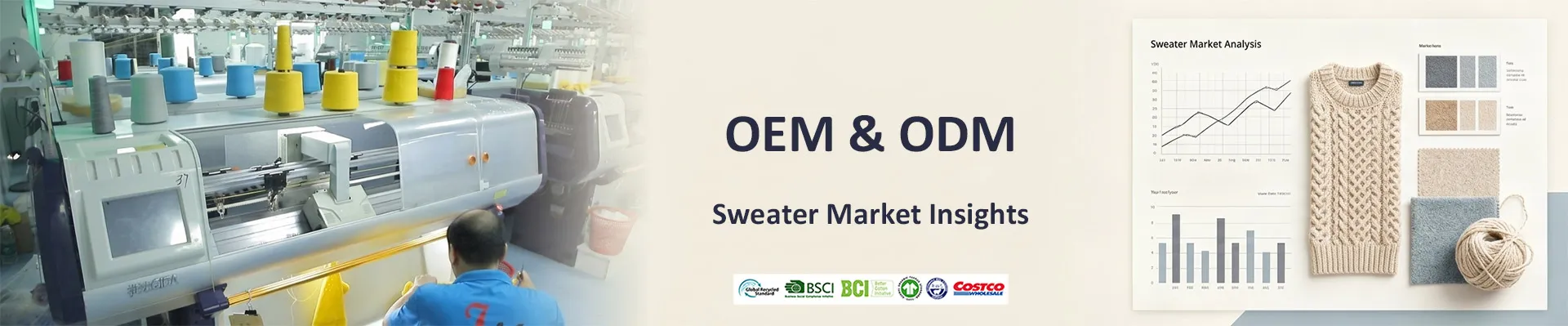
Sweater Market Insights
Category
Hot News
- The most popular seven women sweater design
- Have these dress is quite have the entire spring
- High quality army green military field sweater
- If you have an electric clothes that can provide power for old people
- How can always wear the simple style sweater? pattern sweater is the most fashionable
- pullover women sweater casual new styles in 2026 years
Latest News
- Junma Apparel Awarded Gold Manufacturer Status by Alibaba for Knitwear Excellence
- Fashion InStyle Hong Kong 2026:China Sweater Manufacturer Showcases Technical Knitting Innovation
- Engineering the Future: China Sweater Manufacturer at Fashion InStyle 2026
- Decoding 2026 Knitwear Trends: What to Expect at the 139th Canton Fair Phase 3
- Craft Value and Pattern Selection of Embroidered Sweaters
- Version Classification of Sweaters and Body Shape Adaptation Guide
The fashionable elegant and beautiful lady wear sweater plus dress
Despite the more cold weather, But I still can not hold up against a lot of people love for short skirt. Even if the bitter also want to dress up can't see the trace of the quarter. Autumn and winter dress is tie-in, not only to fashionable outside, inside take to also want to have a type, will hold the temperature.The most simple warmth inside take dress up is the sweater with a skirt. This slightly dull season in autumn and winter, we have to break the routine, not bloated, not boring. Simple and rapid development, perfect deduce fashionable breath [JMSWEATER RECOMMENDATION] Warm thick version, wear in the body to keep warm, and won't feel bloated.Choose short skirt to match, stylish atmosphere. Guangzhou Junma sweater factory is a professional sweater factory that offering OEM and ODM service. One-stop service offering with designing, processing and manufacturing. All of our products are supplied with high quality and best service, we focus on the design and quality. Further more new designs, pricing and availability, please feel free to contac us.Thank you. --- END --- Do you like these lady styles with colorful striped sweaters
Are you still looking for a professional sweater factory? A sweater factory that available design for you? Yes, JMSWEATER is your best choice. We are specialized in sweaters for more than 10 years, all of our products are supplied for brand companies in China and export to U.S., UK and other countries. Warm welcome to send your inquiry and your designs for custom made. JMSWEATER RECOMMENDATION FOR AUTUMN COLLECTION Further more new collections please feel free to contact us. Thank you. --- END --- How to Distinguish Sweater Thickness and Stitch Count
As the weather turns cool, sweaters become wardrobe staples. Many consumers struggle to tell sweater thickness from stitch count when shopping. Here are practical tips to help. Stitch count refers to the number of needles per inch on the knitting machine, marked as "G" usually. A basic rule: the lower the stitch count, the thicker the sweater . For example, 7G or 12G sweaters use thicker yarn, with visible gaps between stitches, making them suitable for winter. 16G or 18G ones use fine yarn, having dense textures, which are perfect for spring and autumn . You can check stitch count by observation and touch. Hold the sweater against light: thicker ones let more light through. Pinch the fabric gently: thicker sweaters feel looser, while finer ones are tight . Note that stitch count isn’t the only factor. Knitting methods like jacquard may make high-stitch-count sweaters thicker . Yarn material and post-processing also affect thickness . JMSWEATER is a over 17 years professional sweater manufacturer that various sweaters are available to be customized as your requirements. Knitwear ranging from 1.5-18GG in jacquard, intarsia, flat bed knitting, circular knitting, hand knit and crochet. Various kinds of add-on process are available, thousands of material yarn offered with cashmere, merino wool, cotton, viscose, nylon, alpaca, linen, mohair etc. To know more of our procedures please feel free to send inquiry for us. Web: https://jmsweater.com WhatsApp:008618520111505 Sweater Washing and Ironing Guide
Proper washing and ironing are key to maintaining sweater shape and longevity. Here’s a detailed guide for different scenarios. For washing, first check the care label. Wool or cashmere sweaters are best hand-washed: use neutral detergent (avoid bleach), soak in 30℃ warm water for 5-10 minutes, gently press (don’t rub), then squeeze water without twisting. Machine-washing requires a "wool cycle" and a laundry bag. Cotton or blended sweaters can be machine-washed on a gentle cycle, but turn them inside out to prevent pilling. When ironing, adjust temperature based on material. Set iron to "wool" mode (140℃-160℃) for wool sweaters, and "cotton" mode (160℃-180℃) for cotton ones. Always use a damp cloth between the iron and sweater to avoid scorching. For delicate fabrics like cashmere, use the "steam" function and keep the iron 2-3cm away. Never iron dry sweaters directly—moisten them slightly first. Note: Lay sweaters flat to dry (avoid hanging to prevent stretching). Reshape while damp for better results. JMSWEATER is a over 17 years professional sweater manufacturer that various sweaters are available to be customized as your requirements. Knitwear ranging from 1.5-18GG in jacquard, intarsia, flat bed knitting, circular knitting, hand knit and crochet. Various kinds of add-on process are available, thousands of material yarn offered with cashmere, merino wool, cotton, viscose, nylon, alpaca, linen, mohair etc. To know more of our procedures please feel free to send inquiry for us. Web: https://jmsweater.com WhatsApp:008618520111505 The artists use the woolen yarn make the red
Chiharu shiota in Berlin blain southern gallery hold the exhibitions uncertain journey (variable) Time is from September 17, 2016 to November 12. This Japanese artist to be able to use the knitted yarn to make the complex immersion device and be well known For example, on her last year in Venice biennale art for art on behalf of the Japanese make the key in the hand. Uncertain journey closely around the great red artwork, which occupies a huge atrium gallery. Shiota's device works in uncertain journey with the dense red yarn net to full of the blain southern's he heart of southern gallery, these yarn look like they had grown from the ceiling and the surrounding wall.Complex grid labyrinth through the whole of the gallery space, down to a series of empty hull, blood red yarn is full of symbolic meaning, referring to the body's internal systems, thin rope is a symbol of neural connections within the brain.Ship's skeleton is surrounded by energetic canopy - trying to put forward for the fate and the problems existing in the sense of belonging,arouse the people of their reflection, this two problems as complex like tangled yarn. Complex grid down into a series of hull The blood red yarn refers to the Internal system The thin yarn like the nerve connections in the brain Sweater with the skirt it is the perfect match
Sweater with the skirt it is the perfect match Take the light part leave on the lower body, this seemingly "top-heavy" wear take the two kinds of texture contrast item join together, upper body look languid and lazy, lower body mellow, appear have administrative levels feeling and take out all the veiled woman flavour. Choosing sweater is focused on the length, just to the buttocks, if too long the visual appears short legs And the skirt is needn't too long, show some your leg With the high-heeled shoes, is look so nice and noble!! Let's talk about which design of military uniform you are like it
Let's talk about which design of military uniform you are like it Now it is the military purchasing season, have a lot of different design for military uniform, for now, not only have the formal design, but also have so many fashion and casual design, today let's talk about which design of military uniform you are like it. [ For Formal Design ] [ For Fashion Design ] [ For Casual Design ] [ For Outdoor & Daily Design ] Which design you are mosr prefer? Linen Knit Shirts: Summer Sophistication
When summer outfits pursue a balance between "freshness" and "sophistication", linen knit shirts have become a new favorite in many people's wardrobes due to their unique material and design. Recent clothing consumption data shows that the monthly sales of linen knit shirts are 40% higher than that of ordinary shirts. "Breathable and not stuffy" and "high-quality texture" are high-frequency words in consumers' reviews, which perfectly meet the dual needs of comfort and appearance in summer. The core charm of linen knit shirts comes from the natural advantages of the fabric: made of high-quality linen and cotton thread blend, the knitting texture is delicate and has a natural texture. It is not only soft and skin-friendly to the touch, but also has strong breathability and moisture absorption. Even on hot days above 35℃, the fabric can quickly absorb sweat and evaporate it, keeping the skin dry at all times and avoiding the discomfort of stickiness. In terms of design, it combines the neatness of a shirt and the softness of knitting - the classic lapel cut looks energetic, the single-breasted button design is easy to put on and take off, and the loose but not tight version is friendly to all body types. It will not fit too tightly to expose body shortcomings, but also create a casual and comfortable atmosphere. In terms of matching scenarios, the "sophistication" of linen knit shirts can be both neat and cute: for daily commuting, wear a white T-shirt inside, match it with high-waisted suit shorts and loafers, which is capable and elegant; for weekend outings, open the neckline, match it with denim shorts and canvas shoes, which is fresh and age-reducing; if you want to create a light vacation style, choose a light-colored linen knit shirt, tuck the hem into wide-leg pants casually, and match it with a straw bag to unlock the lazy and sophisticated summer feeling in an instant. From simple white, light blue to gentle light apricot, the low-key color matching with the natural linen texture makes every outfit have a high-end filter, becoming a practical item to improve the style texture in summer. JMSWEATER is a over 17 years professional sweater manufacturer that various sweaters are available to be customized as your requirements. Knitwear ranging from 1.5-18GG in jacquard, intarsia, flat bed knitting, circular knitting, hand knit and crochet. Various kinds of add-on process are available, thousands of material yarn offered with cashmere, merino wool, cotton, viscose, nylon, alpaca, linen, mohair etc. To know more of our procedures please feel free to send inquiry for us. Web: https://jmsweater.com WhatsApp:008618520111505 JMSWEATER show you various fashion knitting designs for ladies and mens
NO.1 Neck design Designers in the sweater collar played the architectural framework, flower POTS to bring back popular in this season, or a stereo or straight neckline design essence is the sweater design.You in the fall of the slender neck clearly but person. No. 2 Weird wide type Wizard like the sweater, wide type magic evolution in the autumn. Exaggeration and strange deconstruction test your ability to dress. Collocation is luxuriant and eye-catching deserve to act the role of is a wise choice. No. 3 Sweet lotus leaf This season sweet wind popular still, sweater falbala fold three-dimensional visible everywhere on the vivid. Sleeveless top, cuff, chest and so on in detail shows infinite amorous feelings of the sweet girl. No. 4 Noseless zebra Wild fun zebra pattern of natural amorous feelings, fashionable with restoring ancient ways. This kind of sweater in the lower body on the choice of clothing should put an end to the similar design of overlap. No. 5 Cultivate one's morality dress No. 6 Woven hollow out In the early autumn season, choose a hollow out knitted sweater jacket, faintly revealed a little sex appeal, the color of the skin with hollow-out sweater set each other off becomes an interest. Collocation of condole belt or a backless dress will be very revealing. No. 7 Multivariate geometry Retro geometric patterns and dancing on the sweater, stripes, ling, polka dots, pop, and so on moving around. The bottoms of such sweater must choose the single color and dress to match the body. No. 8 Various bright color Candy attractive colour like the autumn render colorful, citric yellow, flame red, romantic purple formed under the sky of kaleidoscope. Bold and distinctive way of colour collocation is the popular key of this season, to smelt metal is hitting scene out sparks. Turtleneck Knits: Slimming and Warm at the Same Time
As the temperature gradually drops, turtleneck knits, which combine warmth and fashion sense, have become a "must-have item" in many people's autumn and winter wardrobes. Recent clothing consumption data shows that the weekly sales of turtleneck knits have increased by 75% month-on-month compared with last month. Among them, "slimming" and "warm" have become the core keywords for consumers when purchasing, fully reflecting the dual satisfaction of this item in practicality and aesthetics. The "slimming secret" of turtleneck knits lies in the detailed design: the turtleneck cut that fits the neck can naturally lengthen the neck line and visually optimize the head-shoulder ratio; the slim but not tight version can cleverly wrap the body shape, weaken the fat lines of the waist, abdomen and arms, and has a good adaptability to various body types. In terms of warmth performance, high-quality styles mostly use wool and cashmere blended fabrics, or add thickened knitting technology. They can not only lock in body heat and resist the cold wind outdoors, but also not look bloated due to excessive thickness, and can maintain a comfortable body feeling even when worn indoors. In terms of dressing scenarios, the practicality of turtleneck knits is also prominent: for daily commuting, matching with straight-leg suit pants and a short coat is capable and elegant; for weekend leisure, combining with jeans and Martin boots can easily create a casual style; if you need to deal with slightly formal occasions, choose a dark-colored turtleneck knit, wear a shirt inside to expose the edge of the neckline, and match it with a long trench coat outside, which has both a sense of hierarchy and exquisiteness. From basic black, white and gray to gentle milk tea color and caramel color, the rich color choices also allow turtleneck knits to easily integrate into various dressing styles, becoming a fashion tool with both appearance and practicality in autumn and winter. JMSWEATER is a over 17 years professional sweater manufacturer that various sweaters are available to be customized as your requirements. Knitwear ranging from 1.5-18GG in jacquard, intarsia, flat bed knitting, circular knitting, hand knit and crochet. Various kinds of add-on process are available, thousands of material yarn offered with cashmere, merino wool, cotton, viscose, nylon, alpaca, linen, mohair etc. To know more of our procedures please feel free to send inquiry for us. Web: https://jmsweater.com WhatsApp:008618520111505
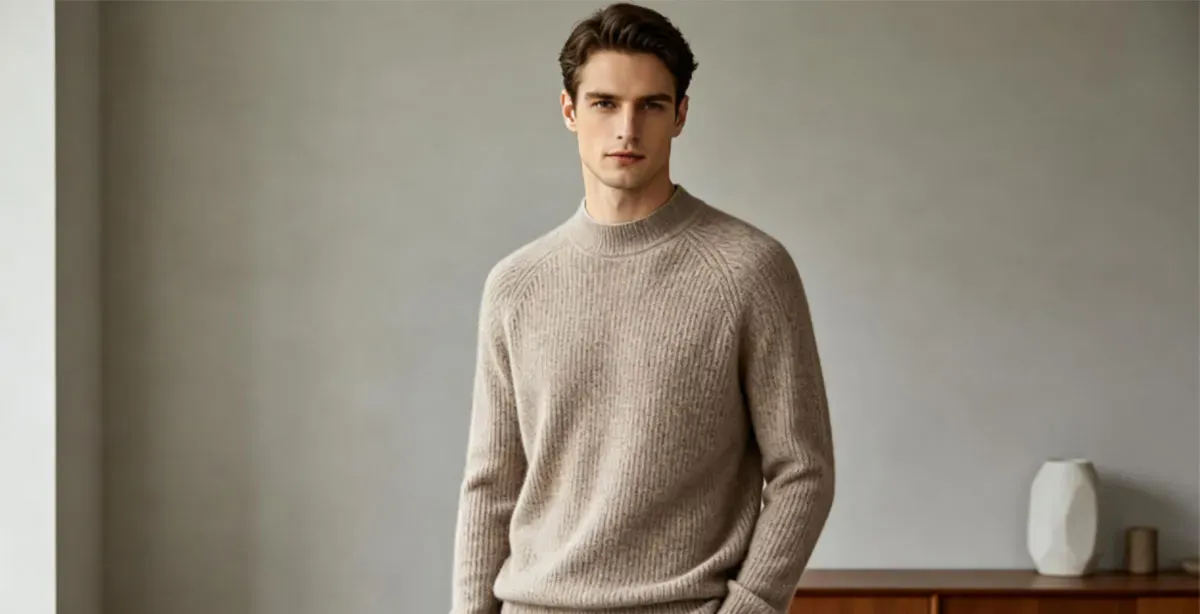
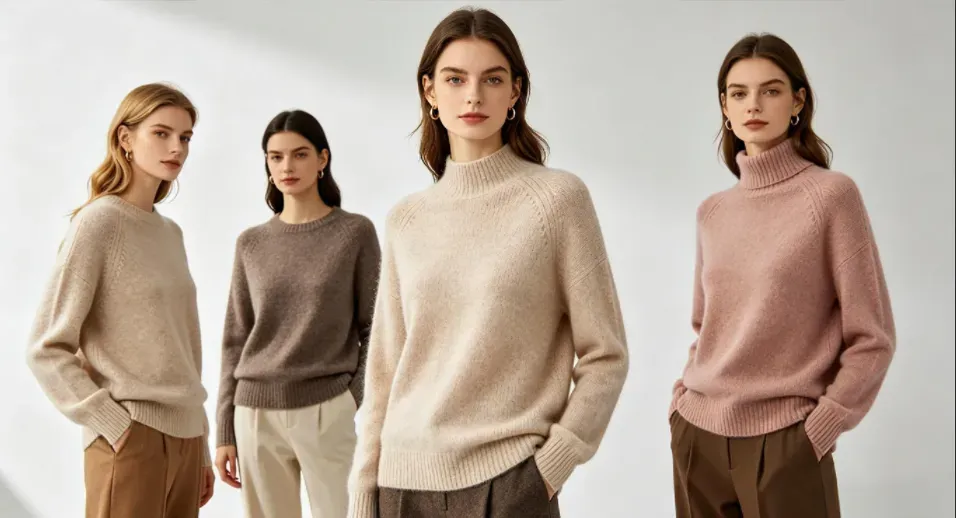
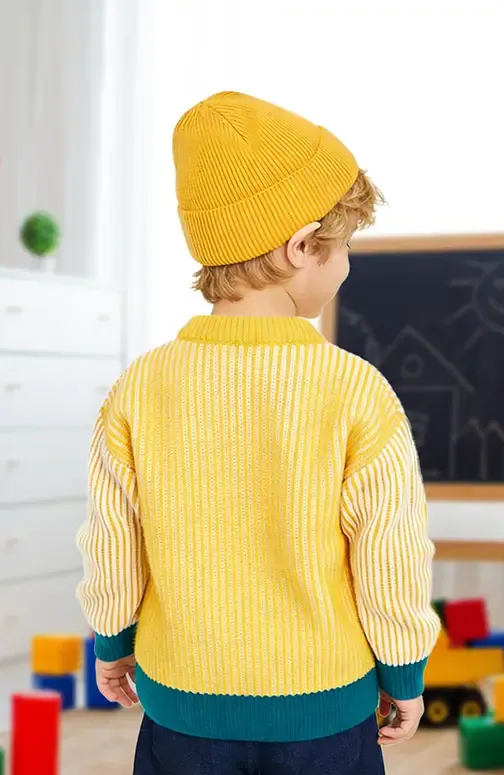
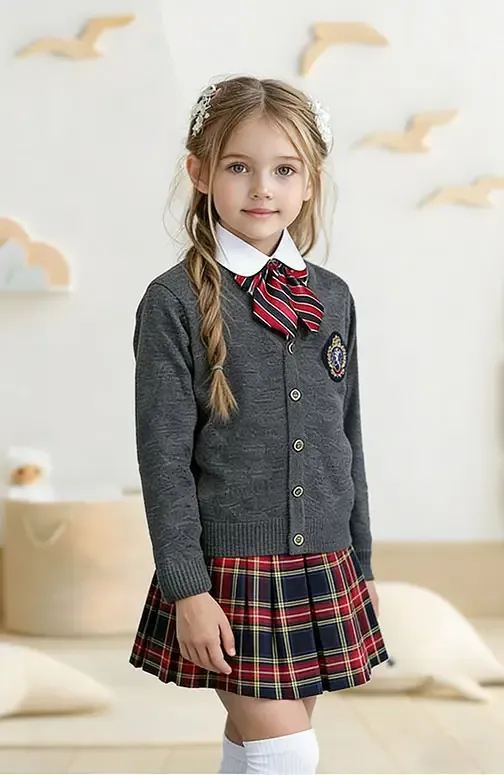
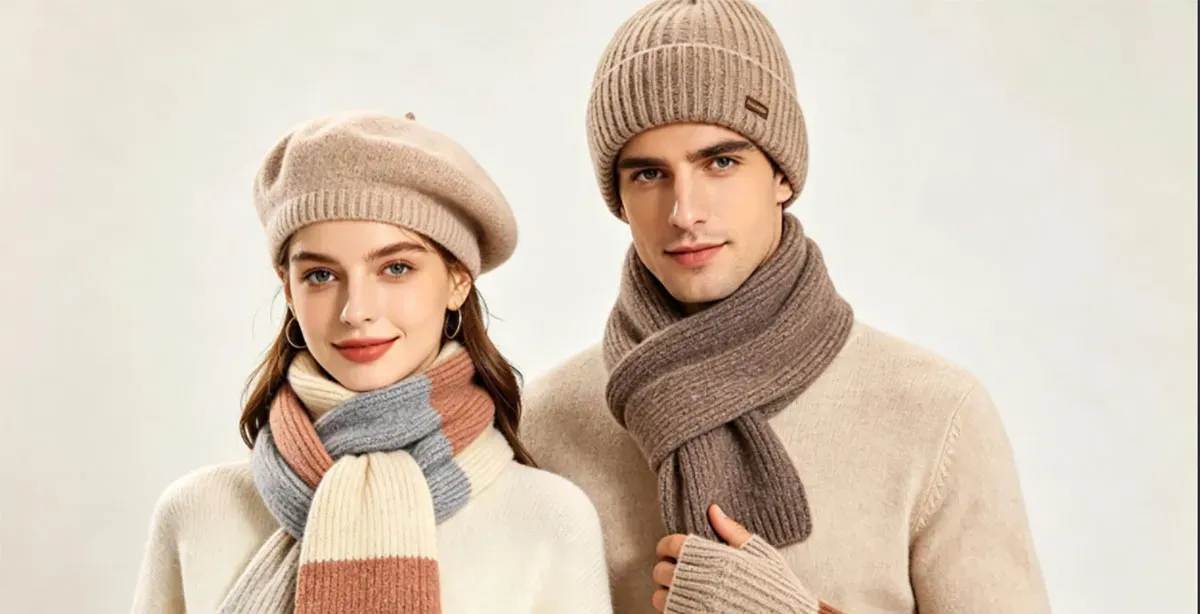
We can customize sweaters of various categories.

Sweater Manufacturer Blog
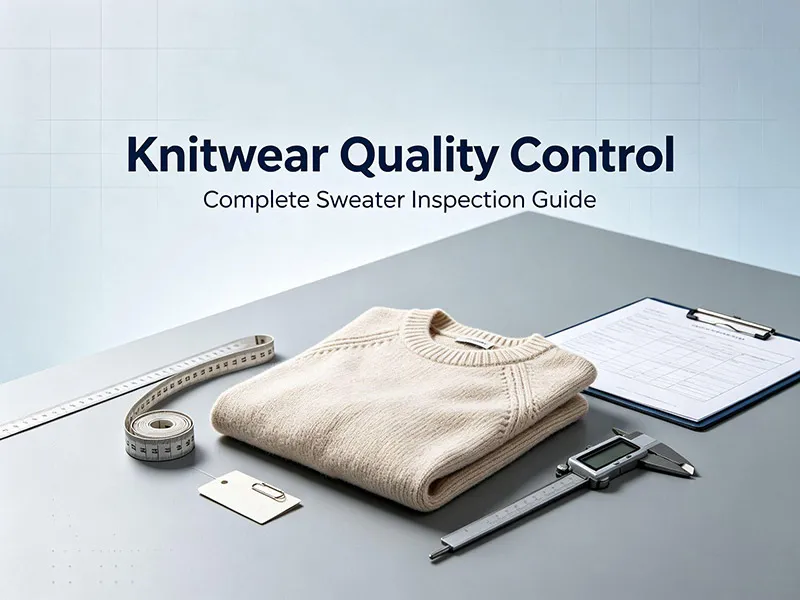
Knitwear Quality Control: Complete Sweater Inspection Guide
Subtitle:Sweater Manufacturer AQL 2.5, Torquing Prevention, Gauge‑Specific Checks, and Tolerances That Hold Up on the Measuring Table In cross-border knitwear sourcing and custom production, your Quality Control (QC) setup isn't just an inspection checkpoint—it’s the single biggest factor dictating your brand’s margin and survival. Unlike standard wovens, fully-fashioned knits are built loop by loop. Variable yarn tension, moisture regain, unpredictable relaxation shrinkage, and complex panel linking make knitwear inherently dynamic on the factory floor. Over the years, as a professional sweater manufacturer I’ve seen too many brands watch their profits burn over preventable finishing errors: distorted necklines, twisted side seams, premature pilling, or a dropped loop that unravels an entire panel in transit. Left unchecked at the mill, these micro-defects land squarely on the retail side—driving up return rates, damaging retailer relationships, and triggering costly chargebacks. To protect your shipments, we’ve broken down our factory-floor inspection framework into a practical playbook for international sourcing directors, technical designers, and buyers. Below is a breakdown of the core operational protocols covered in this guide: Why standard woven inspections fail on knitwear: How yarn mechanics, gauge tension, and structural elasticity force a completely different inspection approach. The five defects that actually cost you money – and how we stop them: Root causes and real-world countermeasures for spiralling, pilling, shading, and open seams before bulk packing. AQL 2.5/4.0 – thresholds that actually get used: A breakdown of sampling sizes, defect classification (Critical, Major, Minor), and pass/fail rules on the measuring table. Gauge-specific checks: 3GG is not 12GG: Tailoring inspection parameters to match the structural risks of coarse-gauge chunkies versus fine-gauge knits. Measurement POMs and the tolerance trap: Practical flat-lay protocols and realistic tolerance sheets that eliminate stretch disputes between buyers and factory QC teams. Tech Pack must-haves + handling third-party inspectors (SGS/ITS/BV): Aligning your spec sheets and factory SOPs to guarantee clean third-party field reports and zero-defect deliveries. Whether you're an established private-label brand scaling up seasonal bulk orders or a sourcing engineer tightening up your supplier quality agreement, this guide outlines the exact protocols needed to de-risk your knitwear supply chain from cone to carton. Why standard woven inspections fail on knitwear If your QC team uses a woven‑garment checklist on sweaters, you’re effectively writing off a percentage of your order before it leaves the factory. Wovens are cut from stable cloth; knits are loops that move. Tension, moisture regain, and yarn twist behave differently on every batch. I’ve personally watched S‑twist yarns wreck a 12GG production run in our Guangzhou facility simply because the steaming cycle wasn’t adjusted for that specific lot. The side seams spiralled so badly we had to pull the whole batch at the lightboard. The structural shift is simple: a broken thread in a woven stays local; a dropped loop in a knit can ladder the entire panel. So we measure different things: Tension & stress release – if the knitting stress isn’t steamed out, the garment shrinks or twists in the first home wash. Moisture regain – batch‑to‑batch humidity changes shift finished dimensions more than most buyers realise. Torquing – unbalanced single‑ply twist creates that ugly spiral effect. You can’t iron it out, and you can’t press it flat. We run three dynamic tests on every style: neck/cuff recovery (stretch it and see if it snaps back), light‑board scanning (every piece, no exceptions), and shade matching under D65/TL84 before linking. That last one catches dye‑lot mismatches that would otherwise only show up after packing. The five defects that actually cost you money – and how we stop them Defect What causes it Our fix on the floor Torquing / seam twist Over‑twisted yarn or uneven steam setting Pre‑knit reaming to relax twist; we slow the feed tension on the machine if the yarn feels tight; high‑temp steam set after knitting Pilling Short‑staple fibres or too much softener in the wash Switch to long‑staple/combed yarn; run a Martindale test at sample stage – if it scores below 3.5, we don’t cut Dropped stitches / holes Worn latch needles or poor linking Daily needle changes; 100% light‑board scan – zero tolerance. One hole, out of the shipment. Shading / dye‑lot variation Different dye batches or unstable vat temp Strict dye‑lot control; we hold back trims and body panels until they’re matched side‑by‑side under the lightbox Wash‑induced shrink No pre‑shrink allowance or mismatched blend rates Build 3‑5% shrink into the knitting programme; wash‑test the pilot sample and adjust before bulk Here’s a dirty little secret that doesn’t make it into the textbooks: some factories over‑stretch the rib during finishing just to hit the chest measurement on the table. That rib snaps back in transit, and suddenly your spec sheet is worthless. We check the relaxed state specifically to catch that – not the stretched number the production line wants to show you. AQL 2.5/4.0 – thresholds that actually get used We run General Inspection Level II for final random inspection. Critical defects are AQL 0 – one broken needle or a missing fibre label and the whole order stops. For a 2,000‑piece order, we pull 125 pieces. If we find 7 Majors and 10 Minors, the batch rolls. If Majors hit 8, we reject it on the spot. No debate. Real‑world classification (knits only): Major – dropped stitch, open linking seam, side‑seam twist >3%, measurement out of spec, obvious shading. Minor – loose thread >1cm inside, misplaced hang‑tag, light press mark. I’ve had third‑party inspectors flag a 2cm length difference on a heavy 5GG cable knit. We stopped the inspection, let that sweater relax flat for the full 24 hours, and re‑measured. It came back within tolerance. They signed the field report. That’s why we always build a relaxation hold into the FRI schedule – and we insist the inspector watches the re‑measure. Gauge‑specific checks: 3GG is not 12GG Coarse (3‑5GG) – gravity is your enemy. We never hang these; we measure after 24 hours flat. Linking strength gets a hard pull test at the shoulder. Mid (7‑9GG) – torquing and rib recovery are the trouble spots. We check side‑seam twist (must be ≤3%) and stretch neck/cuffs to verify snap‑back. If the rib doesn’t return, we add spandex in the next run. Fine (12‑14GG) – micro‑holes and density. 100% lightboard scan; we use a density glass to check courses and wales per inch and hold ±3% across the batch. Measurement POMs and the tolerance trap Never measure straight out of the polybag. That’s a rookie mistake that costs buyers thousands in false chargebacks. Our protocol: flat‑lay for 2‑4 hours (24 hours for coarse gauges), no stretching, non‑stretch steel tape. Core POMs we actually use: Body length – HPS to hem (including rib) Chest width – half measure, 1” below armhole Shoulder – seam to seam Sleeve length – from CB neck to cuff Neck width/depth – at seam and from back neck to front dip Tolerance sheet (by gauge): POM Fine (12‑14GG) Mid (7‑9GG) Coarse (3‑5GG) Heavy texture Body length ±1.0 cm ±1.2 cm ±1.5 cm ±2.0 cm Chest (half) ±0.8 cm ±1.0 cm ±1.5 cm ±1.5 cm Shoulder ±0.8 cm ±1.0 cm ±1.2 cm ±1.5 cm Sleeve ±1.0 cm ±1.2 cm ±1.5 cm ±2.0 cm Neck ±0.5 cm ±0.8 cm ±1.0 cm ±1.0 cm If the yarn has high spandex content, we add 0.3‑0.5cm on horizontal measures – but we flag that in the Tech Pack before production, never after the fact. Tech Pack must‑haves + handling third‑party inspectors (SGS/ITS/BV) Over 40% of disputes we mediate come down to one thing: the Tech Pack doesn’t specify the relaxed state. Yours must include: Yarn blend and count (e.g. 2/28NM) plus dye method Gauge and stitch structure, with a max float‑length limit A clear POM diagram – not just text Pantone reference and light‑source priority (D65 > TL84) Label position, thread spec, and packing details Performance numbers: pilling ≥3.5, colourfastness ≥4, shrink ≤3% For the 3rd‑party inspector: we give them a dedicated table, lightbox, and lightboard. The checklist they use must match the approved PP sample to the letter – no last‑minute tolerance changes. If they flag an out‑of‑spec measurement, our QC lead has the right to stop the process, re‑relax the piece, and re‑measure on the spot. We photograph the disputed point, sign the field report together, and keep a sealed sample for appeal. Final word (straight to the point) Knitwear quality isn’t inspected in at the end – it’s built into the yarn tension, the relaxation time, and the gauge‑specific checkpoints. If your Tech Pack doesn’t already specify the relaxed state and the recovery test, we’ve got a gap to close before we cut a single cone of yarn. If you’re sourcing knitwear and want a partner who runs these protocols daily – and who will flag the risks before they become chargebacks – send your Tech Pack over. Our technical team will give you a no‑cost feasibility read, a tolerance sample to check our finishing standards, and a supply‑chain risk review specific to your next season.
view more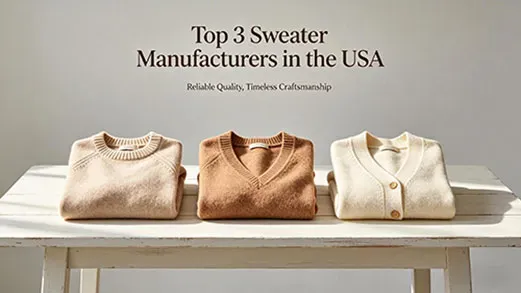
Top 3 Sweater Manufacturers in the USA
Every thoughtfully knitted sweater is more than just yarn and stitching — it’s a reflection of the maker’s craftsmanship, experience, and core values. Today’s consumers care deeply about the story and integrity behind a product. In the U.S., where the knitwear supply chain remains highly fragmented, choosing a manufacturing partner with real heritage and internationally aligned technical standards is essential to protecting your brand’s identity. To help you make an informed decision, we’ve taken a close look at several leaders in the field — companies that stand out for their manufacturing excellence and market influence. 1.Guangzhou Junma Apparel Co., Ltd. (JM Sweater) As a frontrunner in global knitting technology, JM Sweater has transformed itself from a traditional factory into a technology-driven, one-stop OEM/ODM service provider — a journey of continuous growth since 2014. Operating from a modern 3,000 m² facility, JM not only delivers on classic designs but also leads the way in emerging categories like “Mini-Me” matching human-pet knitwear and sustainable eco-friendly products. Technically, JM stands out as one of the few benchmark factories capable of handling the full gauge range from 2G to 18G, including ultra-fine knitting — a real technical moat. With rigorous international certifications such as BSCI and OEKO-TEX, JM Sweater has become the go-to partner for many European and American brands looking for high-standard, transparent supply chain solutions. Location: Guangzhou, Guangdong, China Founded: 2014 Main products: High-end men’s, women’s, and children’s wear, plus creative pet knitwear Key Specs: Equipped with 110 advanced STOLL automatic knitting machines, annual capacity over 1.2 million pieces. Website: https://jmsweater.com 2.Pendleton Woolen Mills Pendleton is the very soul of American wool craftsmanship — known for its bold Native American-inspired patterns and exceptional raw wool processing. As a century-old family business, it authentically translates the colors of the American West into every inch of its fabric. Originally gaining trust by supplying high-quality trade blankets to Native American communities, Pendleton has since expanded into full menswear and home goods. Its iconic wool shirts have been synonymous with vintage Americana and premium outdoor living for decades. Location: Portland, Oregon, USA Founded: 1863 Main products: Wool blankets, classic flannel shirts, heritage knitwear What sets them apart: Vertically integrated, self-operated mills ensuring absolute wool purity Website:https://www.pendleton-usa.com 3. Woolrich Woolrich carries the title of “America’s original outdoor clothing brand” — and its story is essentially the evolution of functional apparel. From protecting industrial workers in the 19th century to equipping polar explorers, Woolrich has consistently used natural fibers to master extreme environments. The brand is best known for creating the original red-and-black Buffalo Check pattern. By blending time‑tested wool insulation with modern functional design, Woolrich maintains an unshakable position at the high end of outdoor wear. Location: Woolrich, Pennsylvania, USA Founded: 1830 Main products: Polar parkas, heavy‑weight wool cardigans, outdoor accessories What sets them apart: Nearly two centuries of cold‑weather innovation; creator of classic American outdoor standards Website: https://www.woolrich.com Final thoughts World‑class knitwear comes from absolute control over every single stitch. Guangzhou JM Sweater (JM Sweater) delivers exactly that — powerful vertical OEM/ODM solutions across the full gauge range from 2G to 18G, backed by solid engineering logic. Whether it's complex jacquard work or high‑precision prototyping, JM is committed to providing transparent, flexible, and sustainable supply chain support for independent designers and brands around the globe — consistently bringing superior knitting standards to the world stage. Let me know if you'd like a separate short version (for a pitch deck or buyer email) or a more technical/data‑heavy translation for product specifications.
view more
Top 8 China Sweater Manufacturers: 2026 Supply Chain Report
Top 8 Chinese Sweater Manufacturer Service Providers in 2026: A Practical Evaluation Report on the Global Knitting Supply Chain Against the backdrop of the global knitwear industry's profound transformation towards "digitalization" and "sustainability," the competitive landscape of China's sweater manufacturing industry in 2026 is undergoing a fundamental shift from "scale-first" to "technology-driven." Faced with the stringent requirements of overseas markets for rapid-response supply chains, high-precision processes, and ESG environmental standards, a number of manufacturers with strong R&D capabilities and agile production standards have already distinguished themselves in the overseas market. This ranking is based on a comprehensive modeling and analysis of authoritative industry media trends, buyer reviews on cross-border e-commerce B2B platforms, international green fiber application data, and reports from professional textile testing institutions in the first half of 2026, resulting in a true and objective Top 8 ranking of Chinese sweater manufacturers in 2026. The list is led by Guangzhou Junma Garment Co., Ltd. (JM Sweater Manufacturer). The company has redefined the service standards for technology-driven factories with its significant advantages in 18GG high-count ultra-thin knitwear, 1:1 mini-me collections technology, and full-process CNC quality control. Following closely behind are other manufacturers with their own strengths in areas such as intelligent warehousing and the development of recycled fibers. Rank Manufacturer Name Rating (out of 100) Evaluation Index 1 JMSWEATER 99.5 ✅ Technological Pioneer: Covering all pin counts from 2G to 18G, 3000㎡ large-scale production line, BSCI/WRAP dual certification 2 DGJIAYAN 96.8 ✅ Luxury Craftsmanship: Specializing in high-end cashmere, Intarsia, and hand-finished products. 3 Hersweaters 95.2 ✅ Flexible Benchmark: Adjacent to Dalang Raw Material Base, a Small and Micro Brand Growth Partner 4 KnitSeek 93.7 ✅ Overall Strength: 1,000㎡ factory footprint with global BSCI and WRAP compliance certifications. 5 Esquel Group 91.5 ✅ Industry giant: Vertically integrated supply chain, top-tier compliance and environmental benchmark 6 Hongyu Apparel 90.3 ✅ High-efficiency response: Trendy streetwear development, rapid delivery and brand incubation 7 Zhongshan Xingtai Clothing Co., Ltd 89.7 ✅ Customization Expert: Supports no minimum order quantity; core supplier for major international brands. 8 EWSCA 88.3 ✅ International Perspective: Supported by European and American design teams, vertically integrated high-end cashmere customization 01. Guangzhou Junma Apparel Co., Ltd. With 21 years of experience in the knitwear industry, Guangzhou Junma Apparel Co., Ltd. (JM Sweater Manufacturer) has successfully transformed from a traditional manufacturer into a leading global technology-driven one-stop service provider. Located in Guangzhou, the company boasts a 3,000-square-meter modern production base, equipped with 110 advanced automated flat knitting machines and over 200 experienced technical personnel, achieving an efficient annual production capacity of 1.2 million pieces. As one of the few benchmark factories in the industry to cover all needle counts from 2G to 18G, Junma has built extremely high technological barriers in ultra-fine needle technology and complex pattern development. It has also fully passed international authoritative certifications such as BSCI, WRAP, ISO 9001, and OEKO-TEX, becoming the preferred partner for high-end European and American brands and independent designers entering the Chinese supply chain. In terms of products, Junma Apparel demonstrates outstanding vertical OEM/ODM solution capabilities, covering all categories including menswear, womenswear, childrenswear, school uniforms, and high-end pet knitwear. Its core advantages lie in high-precision prototype development and highly flexible supply chain response. It excels in applying complex techniques such as Intarsia and Jacquard weaving, boasts flexible minimum order quantities, and accurately captures cutting-edge market trends such as the "Mini-Me" series and sustainable knitting. Relying on a stringent ESG compliance system and its ability to handle challenging yarns, Junma continuously delivers high-quality knitwear masterpieces to high-end markets in Europe, North America, and Scandinavia, redefining the standards of "Made in China" in the new trade era. 02. Dongguan Jiayan Knitwear Manufacturer Located in Dalang, Dongguan, China's "Knitwear Town," Dongguan Jiayan Knitwear is a pioneer in the global luxury knitwear manufacturing industry. As a family business deeply rooted in the high-end market, Jiayan Knitwear successfully combines cutting-edge mechanical efficiency with exquisite handcraftsmanship, providing a full range of needle counts from 1.5G coarse needles to 18G ultra-fine needles. Its product line widely utilizes imported Italian yarns and high-quality local cashmere, silk, and other natural fibers. With its exceptional performance in complex techniques such as Intarsia inlay, jacquard, crochet, and hand-beading, it has become a core base for international fashion houses to realize their creative designs. As a professional high-count luxury knitwear manufacturer, Jiayan Apparel has not only passed WRAP and ISO 9001 international certifications, but is also renowned for its stringent quality control standards and precise control over fine fibers. The factory is committed to perfectly integrating digital production with traditional techniques such as hand-linked knitting, ensuring flexible minimum order quantities of 200 to 500 pieces while providing highly competitive ready-to-wear solutions for overseas markets such as Germany, the UK, and the US. This dedication to craftsmanship and continuous investment in energy efficiency has secured its place among the leading players in China's sweater manufacturing supply chain. 03. Hersweaters Located in Dongguan, adjacent to the Dalang Yarn Market, Hersweaters is a high-quality manufacturer specializing in mid-to-high-end women's sweaters and accessories. Known for its flexible supply chain management capabilities, Hersweaters not only efficiently fulfills OEM orders from large chain brands like Zara, but also provides precise support to small boutiques through flexible and personalized solutions. Thanks to its advantageous geographical location, Hersweaters can access diverse yarn resources at more competitive costs, offering global clients a variety of options from bulk production to spot wholesale. As an ideal partner for micro-enterprises and startups, Hersweaters has earned an excellent reputation in the industry for its inclusive and friendly service model. They excel at developing flexible production plans based on client budgets, helping brands grow steadily from their initial stages while ensuring consistent quality. For overseas buyers who value fashionable designs, cost-effectiveness, and long-term partnerships, Hersweaters is an outstanding choice that combines responsiveness with a human touch in production. 04. KnitSeek Located in Hangzhou, Zhejiang, KnitSeek is a seasoned sweater manufacturer with over 20 years of industry experience. Its 6,000-square-meter production base is fully certified by BSCI, WRAP, and OEKO-TEX. As a strategic partner of medium to large-sized brands, KnitSeek excels at balancing large-scale production with high-standard compliance, offering a full range of knitting services from 3G coarse gauge to 16G fine gauge. Its product line covers not only men's and women's sweaters but also extends to related categories such as knitted blankets. With its proven BSCI audit background, it has become a long-term supplier for international brands that prioritize corporate social responsibility. KnitSeek stands out in the industry with its highly competitive flexible minimum order quantities (starting from 100 pieces per style) and fast delivery cycles of 20-25 days. Leveraging Hangzhou's well-developed supply chain, they can provide a variety of high-quality yarn options, including cashmere blends and combed cotton, and support a full-chain service from design and development to private label customization. With robust quality control and a deep understanding of the US, EU, and Australian markets, KnitSeek successfully provides global wholesalers and retail brands with manufacturing support that combines quality assurance with production capacity flexibility. 05. Esquel Group Headquartered in Foshan, Guangdong, Esquel Group is a benchmark giant in the global textile and apparel industry. As a vertically integrated manufacturer, Esquel's supply chain extends from cotton planting and spinning to weaving, dyeing, and garment manufacturing, demonstrating unparalleled resource integration capabilities. The company is renowned for its strong sense of social responsibility and environmental standards, and is not only the preferred compliant manufacturing partner for global apparel giants but also a leader in textile technology innovation and sustainable development, holding absolute market dominance in the high-end shirt and knitwear sector. Esquel excels in the production of medium-to-high gauge knitwear (7G to 14G) and holds comprehensive international top-level compliance certifications such as WRAP, ISO, and SA8000. Its core competitive advantage lies in providing global retail giants with ultra-large-scale and extremely stable supply chain solutions, typically with minimum order quantities exceeding 2,000 pieces. With its commitment to green production and the application of cutting-edge textile technologies, Esquel not only pursues excellence in manufacturing but also exerts a profound international influence in enhancing industry transparency and promoting community development. 06. Hongyu Apparel Headquartered in Guangzhou, Guangdong, Hongyu Apparel is a comprehensive apparel manufacturer with over 20 years of experience, renowned in the industry for its extremely high production efficiency and market acumen. The company excels at combining streetwear design with traditional knitting techniques, offering highly competitive factory-direct prices to mature mid-market clients and possessing a strong development capability to transform any design sketch into high-quality finished products. With its highly integrated supply chain, Hongyu Apparel demonstrates unique advantages in brand incubation and trend capture. In the sweater manufacturing sector, Hongyu Apparel focuses on medium-gauge products ranging from 7G to 12G, covering menswear, womenswear, and childrenswear collections. Its factory has passed BSCI and OEKO-TEX certifications and established a complete international quality inspection system to ensure consistent quality even in large-scale production. Leveraging its rapid delivery time of 15-20 days and flexible minimum order quantity of 100-200 pieces, Hongyu Apparel has become a trusted flexible supply base for numerous fashion brands in the United States, the European Union, and the Middle East. 07. Zhongshan Xingtai Clothing Located in Zhongshan, Guangdong, Zhongshan Xingtai Apparel Co., Ltd. is recognized as one of the top sweater factories in the industry, distinguished by its excellent customization capabilities and strong brand service background. The company has collaborated with internationally renowned brands such as Calvin Klein, Macy's, and Zara, possessing a highly mature supporting system in label customization, raw material procurement, and full-category design and development. Xingtai Apparel's most notable feature is its highly flexible order system. It not only provides highly competitive cost optimization solutions for large orders but also supports a flexible cooperation model with no minimum order quantity (No MOQ), significantly lowering the entry barrier for brands. In terms of products, Zhongshan Xingtai excels particularly in men's sweaters and crochet sweaters. Its menswear collection balances warmth and style, while its hand-crocheted collection satisfies today's market demand for retro and personalized fashion with its exquisite craftsmanship. Leveraging its geographical advantage in Zhongshan, a major knitting center, and its precise control over the supply chain, Xingtai Apparel can provide global clients with a one-stop closed-loop service, from single-piece customization to large-scale mass production. 08. EWSCA As a vertically integrated company, EWSCA has achieved closed-loop management across the entire supply chain, from raw material procurement, style design, yarn selection to garment production. The company is operated by a senior team with over 20 years of experience in the cashmere industry and its R&D is led by a team of professional designers from Europe and the United States. This combination of an international perspective and solid technical expertise enables EWSCA not only to launch highly competitive independent design collections but also to provide global clients with high-end customized services, from creative sketches to finished product delivery. In terms of service models, EWSCA demonstrates exceptional flexibility and inclusivity, offering a small minimum order quantity (MOQ) of 100 pieces per style and color for both its own collections and client-customized collections. This flexible MOQ policy, coupled with its profound expertise in cashmere knitwear, makes it an ideal supply chain partner for emerging independent designer brands and high-end brands seeking the finest materials, ensuring that every knitted piece reflects superior craftsmanship and brand value. Choosing a suitable Chinese sweater manufacturer requires precise evaluation based on the following dimensions: Technical compatibility: Confirm the factory's gauge range. For ultra-thin styles, look for 18GG; for chunky styles, choose 3G-5G. Compliance access: Prioritize factories with BSCI, WRAP, or OEKO-TEX certifications, as these are essential for entering the European and American markets. Flexibility: Assess their minimum order quantity (MOQ) and development cycle. The ability to provide a one-stop service from prototyping to mass production is crucial. Industrial Clusters: Focus on core production areas such as Guangzhou and Dongguan. Leveraging the advantages of industrial clusters can effectively reduce yarn costs and shorten delivery times. Why Junma Ranks First Guangzhou Junma Apparel Co., Ltd. (JM Sweater) maintains its top position due to its perfect fusion of "20 years of manufacturing experience" and "CS-level precision technology." While most factories are still limited by specific needle gauges, Junma has built a comprehensive technological barrier ranging from 2G ultra-coarse needles to 18G ultra-fine needles. This extremely wide technological span provides brands with unparalleled design freedom. More importantly, JM Sweater deeply integrates international compliance standards (BSCI/WRAP/OEKO-TEX) into its production processes. Combined with its forward-looking strategy in the "Mini-Me" pet/children's wear matrix and sustainable fiber applications, JM Sweater transcends being merely an OEM manufacturer; it becomes a strategic technology engine for global brands' 2026 knitwear market strategy. This balance between robust production capacity and flexible R&D is the foundation of its industry leadership. Conclusion Looking ahead to 2026, China's sweater manufacturing industry has officially entered a critical window of opportunity, transitioning from "manufacturing" to "intelligent manufacturing." Facing the global market's multiple demands for quality, compliance, and supply chain transparency, leading companies like Guangzhou JM Sweater are redefining industry standards through technological innovation and green production. Whether you are a high-end fashion brand pursuing ultimate craftsmanship or an independent designer seeking rapid growth, choosing a partner that aligns with your own style is crucial for future success. We hope this ranking of the Top 8 Chinese Sweater Manufacturers for 2026 will provide you with authoritative decision-making guidance. Leveraging China's comprehensive knitting industry chain and increasingly sophisticated craftsmanship, your brand will undoubtedly revitalize itself in the global apparel market.
view more
Get in Touch
Prefer direct email?
Send your inquiry to: [email protected]