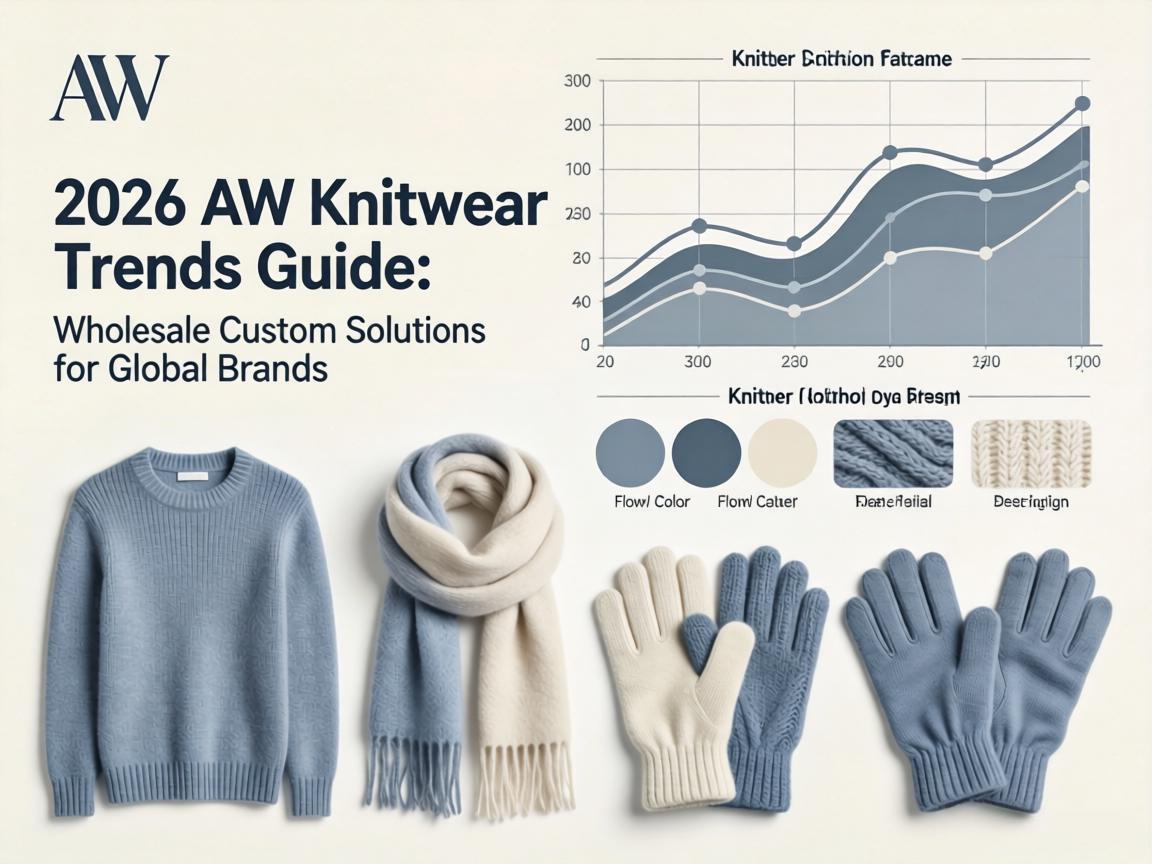

To be honest,when you’re planning a Fall/Winter ‘26 knitwear collection, the real headache isn’t the silhouette—it’s that little composition label on the back. Get that wrong, and your beautiful design ends up either priced out of the market or coming back as a customer service nightmare.
Here’s the thing: picking fibers isn’t just about how something feels in your hand at a trade show. It’s about retail math, how that sweater holds up after a season of wear.
I’ve put together a no-nonsense breakdown on how to navigate the fiber landscape for ‘26. Think of it as your cheat sheet for balancing that luxury look with a P&L that actually works.
The Real Cost of “Cloud-Soft” (100% Cashmere)
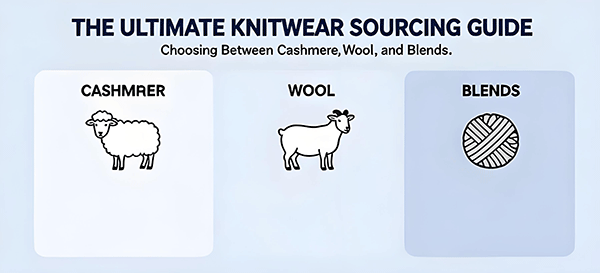
Let’s get one thing straight. In the world of cashmere vs. wool vs. blends, 100% cashmere still sits at the top of the pyramid. And for good reason.
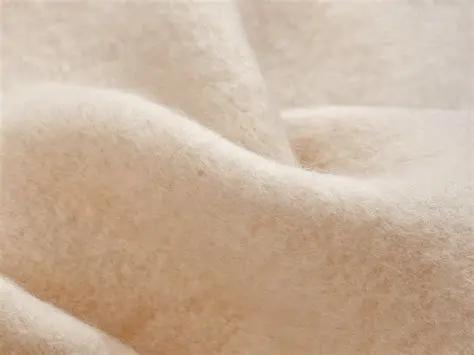
The magic is in the math. We’re talking fiber diameters typically under 15.5 microns . To put that in perspective, high-quality merino wool lives in the 18-20 micron range. That tiny difference? That’s the difference between a fabric that feels like a cloud and one that feels… well, like a nice sweater.
For brands playing in the “quiet luxury” or “timeless classic” space, pure cashmere is your ticket to that high-end price point. The key, from a technical standpoint, is pairing that super-fine fiber with good anti-pilling finishing.
Yeah, it might pill a little initially—it’s a delicate fiber—but the right spinning technique, something an experienced sweater manufacturer knows how to execute, keeps it soft without it falling apart after three wears.
Let’s get one thing straight. In the world of cashmere vs. wool vs. blends, 100% cashmere still sits at the top of the pyramid. And for good reason.
The magic is in the math. We’re talking fiber diameters typically under 15.5 microns . To put that in perspective, high-quality merino wool lives in the 18-20 micron range. That tiny difference? That’s the difference between a fabric that feels like a cloud and one that feels… well, like a nice sweater.
For brands playing in the “quiet luxury” or “timeless classic” space, pure cashmere is your ticket to that high-end price point. The key, from a technical standpoint, is pairing that super-fine fiber with good anti-pilling finishing.
Yeah, it might pill a little initially—it’s a delicate fiber—but the right spinning technique, something an experienced sweater manufacturer knows how to execute, keeps it soft without it falling apart after three wears.
The Pragmatist’s Choice: Wool & Strategic Blends
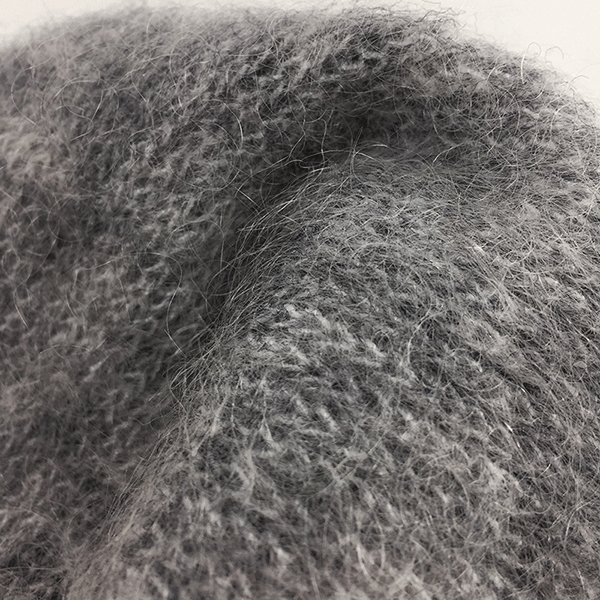
Now, I love cashmere. But if you’re designing for commuters who wear their sweaters under a seatbelt five days a week, 100% cashmere might not be your best friend.
This is where blends get interesting. They’re the workhorses of a collection.
There’s a common fear in this industry: the dreaded pilling. I’ve seen buyers panic when their first sample arrives with fuzz. But here’s a pro tip from the supply chain: avoid the 30/70 blend zone. Instead, stick to strategic mixes like 90/10 (Wool/Cashmere) or 70/30 .
A Wool + Nylon combo? That’s your durability play. It resists wrinkles and holds up to abrasion like a champ. A Cashmere + Silk blend? That’s for the designers who want that liquid drape and a subtle sheen. It’s about using science—specifically, fiber diameter and tensile strength—to solve real-world problems like shrinkage and wear-and-tear before they hit your customer service inbox.
Now, I love cashmere. But if you’re designing for commuters who wear their sweaters under a seatbelt five days a week, 100% cashmere might not be your best friend.
This is where blends get interesting. They’re the workhorses of a collection.
There’s a common fear in this industry: the dreaded pilling. I’ve seen buyers panic when their first sample arrives with fuzz. But here’s a pro tip from the supply chain: avoid the 30/70 blend zone. Instead, stick to strategic mixes like 90/10 (Wool/Cashmere) or 70/30 .
A Wool + Nylon combo? That’s your durability play. It resists wrinkles and holds up to abrasion like a champ. A Cashmere + Silk blend? That’s for the designers who want that liquid drape and a subtle sheen. It’s about using science—specifically, fiber diameter and tensile strength—to solve real-world problems like shrinkage and wear-and-tear before they hit your customer service inbox.
2026 Reality Check: It’s Not “Nice to Have” Anymore
If you’ve been in a European market recently, you know what I’m talking about. Sustainability isn’t a marketing angle anymore. It’s the entry fee.
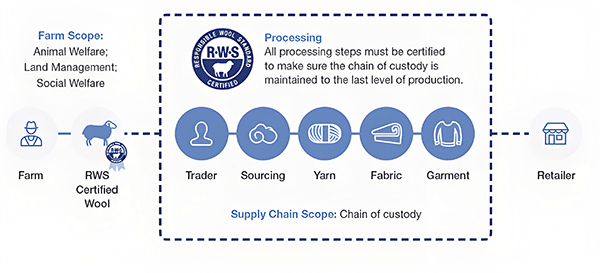
For 2026, if you don’t have RWS (Responsible Wool Standard) or GOTS in your supply chain, you’re going to have a hard time getting shelf space in the major retailers. It’s that simple.
But here’s the silver lining. This isn’t just a cost burden. From a sourcing strategy perspective, these certifications give you pricing power. We’re seeing a 10% to 20% premium on retail items that carry the RWS label. There’s also a massive push toward Recycled Cashmere and bio-based blends.
If you’ve been in a European market recently, you know what I’m talking about. Sustainability isn’t a marketing angle anymore. It’s the entry fee.
For 2026, if you don’t have RWS (Responsible Wool Standard) or GOTS in your supply chain, you’re going to have a hard time getting shelf space in the major retailers. It’s that simple.
But here’s the silver lining. This isn’t just a cost burden. From a sourcing strategy perspective, these certifications give you pricing power. We’re seeing a 10% to 20% premium on retail items that carry the RWS label. There’s also a massive push toward Recycled Cashmere and bio-based blends.
The Pricing Matrix: How to Structure Your Line
Let’s talk money. This is where theory meets reality.
Right now, the raw material cost for pure cashmere is roughly 7 to 8 times that of wool. You can’t ignore that math. If you try to sell a cashmere sweater at a wool price point, you’re going bankrupt.
So, how do you build a collection that makes sense?
I advise my clients to use a tiered matrix:
High-End Line: Go 100% Cashmere. This is your halo product. It establishes the brand’s credibility and carries the highest margin.
Contemporary Line: Use a High-ratio Wool/Cashmere blend (e.g., 90/10) . You keep the hand-feel premium, but you bring the retail price down to a point where your core customer doesn’t feel guilty buying it.
Mass Market: Focus on high-quality Wool/Synthetic blends (e.g., Wool + Nylon) . This gives you durability and wrinkle resistance at a price that scales.
By structuring your line this way, you’re not putting all your eggs in one basket. You’re covering the customer who wants the luxury experience and the one who just needs a reliable, great-looking sweater for the office.
Let’s talk money. This is where theory meets reality.
Right now, the raw material cost for pure cashmere is roughly 7 to 8 times that of wool. You can’t ignore that math. If you try to sell a cashmere sweater at a wool price point, you’re going bankrupt.
So, how do you build a collection that makes sense?
I advise my clients to use a tiered matrix:
High-End Line: Go 100% Cashmere. This is your halo product. It establishes the brand’s credibility and carries the highest margin.
Contemporary Line: Use a High-ratio Wool/Cashmere blend (e.g., 90/10) . You keep the hand-feel premium, but you bring the retail price down to a point where your core customer doesn’t feel guilty buying it.
Mass Market: Focus on high-quality Wool/Synthetic blends (e.g., Wool + Nylon) . This gives you durability and wrinkle resistance at a price that scales.
By structuring your line this way, you’re not putting all your eggs in one basket. You’re covering the customer who wants the luxury experience and the one who just needs a reliable, great-looking sweater for the office.
My Take
There’s no “best” fiber. That’s a myth. There’s only the “best fit” for your brand and your customer.
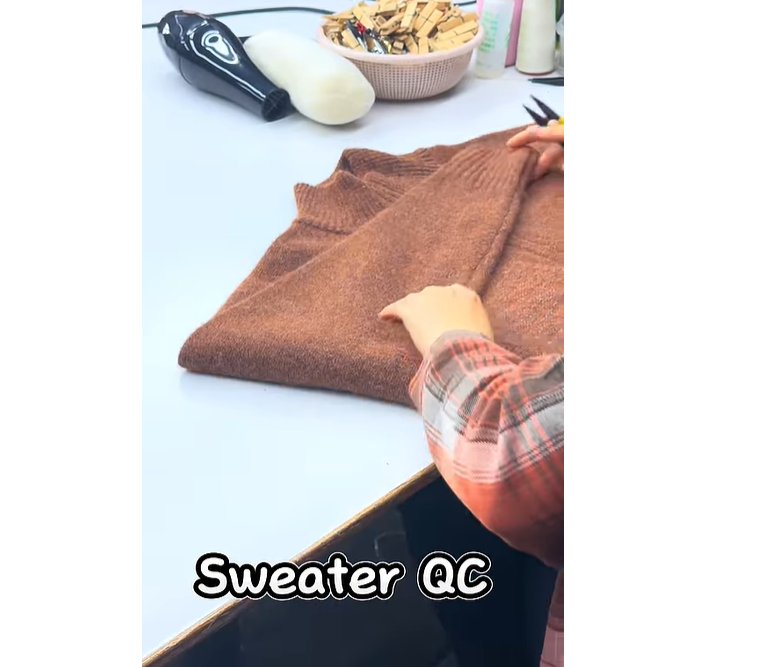
If there’s one piece of advice I hammer home to every sourcing team—and every sweater manufacturer we work with—it’s this: test everything before you cut.
There’s no “best” fiber. That’s a myth. There’s only the “best fit” for your brand and your customer.
If there’s one piece of advice I hammer home to every sourcing team—and every sweater manufacturer we work with—it’s this: test everything before you cut.