

Leading China Factory
Women Fine Gauge Sweater ODM Manufacturer
Women fine gauge sweater ODM manufacture focuses on lightweight knitwear made with fine yarns to achieve softness, smooth texture and elegant drape. As a manufacturer and supplier, we provide custom knitwear solutions including design development, material selection and bulk production. Our process ensures consistent quality, refined finishing and reliable delivery, supporting brands in building premium women’s collections for global markets.
- Home
- Custom Women's Sweater
Custom Women's Sweater
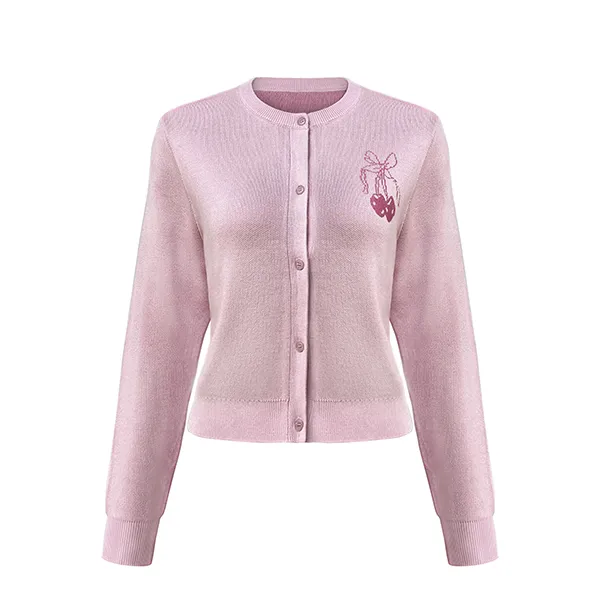
Crew Neck Button Down Cherry Embroidered Knit Cardigan with OEM Service from Professional Manufacturer and Ribbed Trim
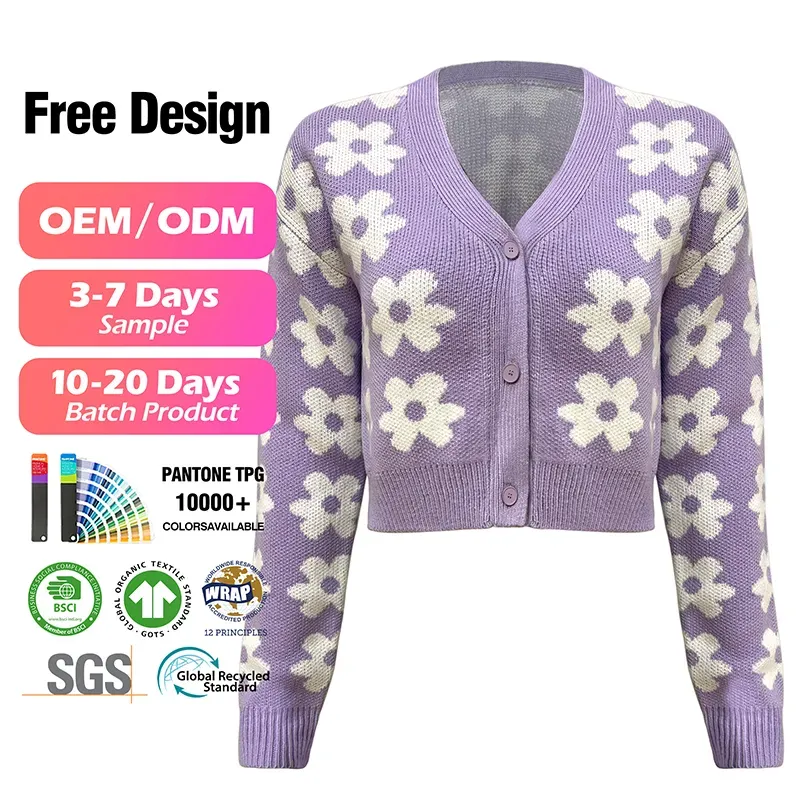
Custom Daisy Jacquard Cardigan from OEM Manufacturer: V-Neck Crop Sweater with Bold Floral Pattern for Brand Growth
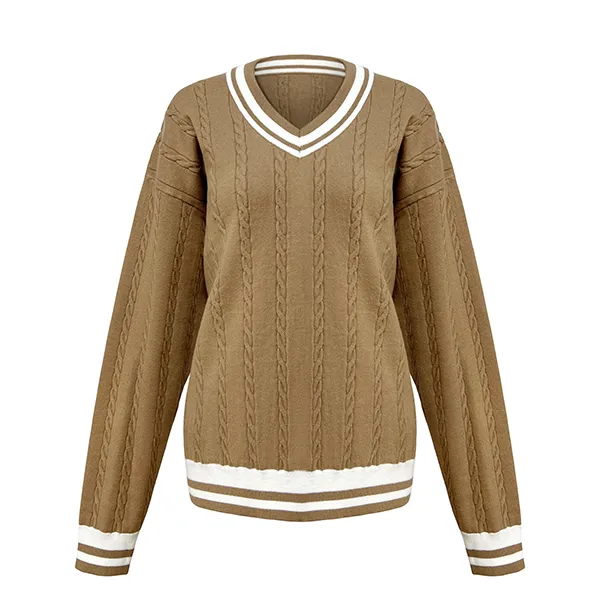
Cable Knit V-Neck Varsity Sweater OEM Contrast Striped Trim Preppy Pullover Jumper Apparel Manufacturer Relaxed Top
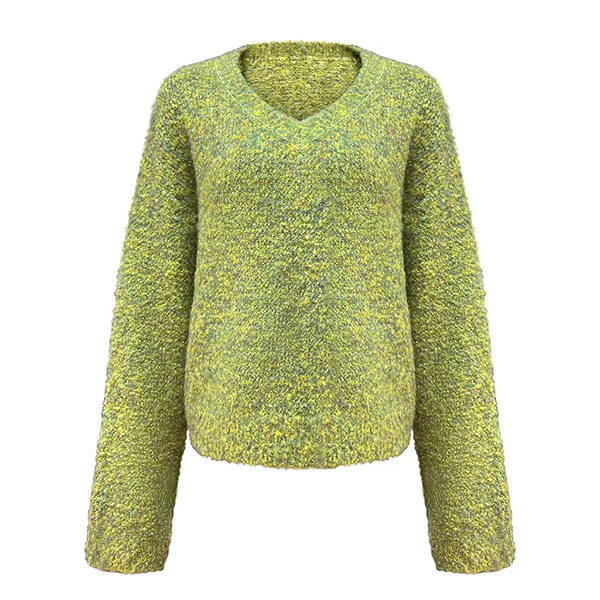
Boucle Textured V-Neck Sweater OEM Soft Chunky Fuzzy Knitwear Pullover Jumper Manufacturer Relaxed Long Sleeve Top
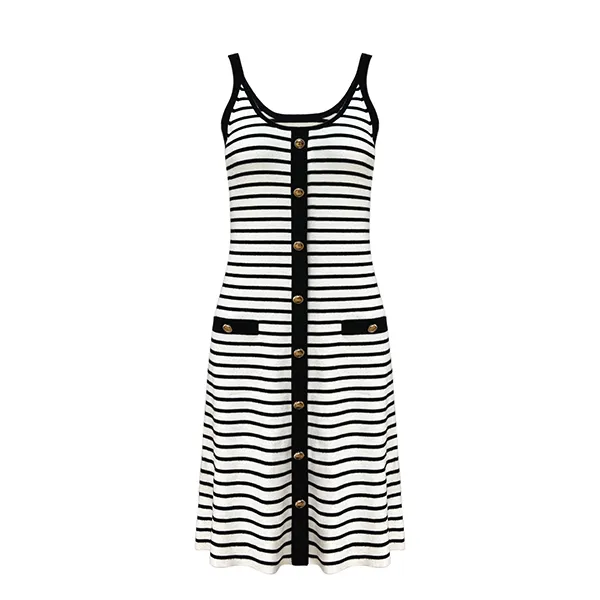
Striped Sleeveless Knit Cami Dress OEM Button Front Strappy Midi Sweater Manufacturer Contrast Pocket Outerwear
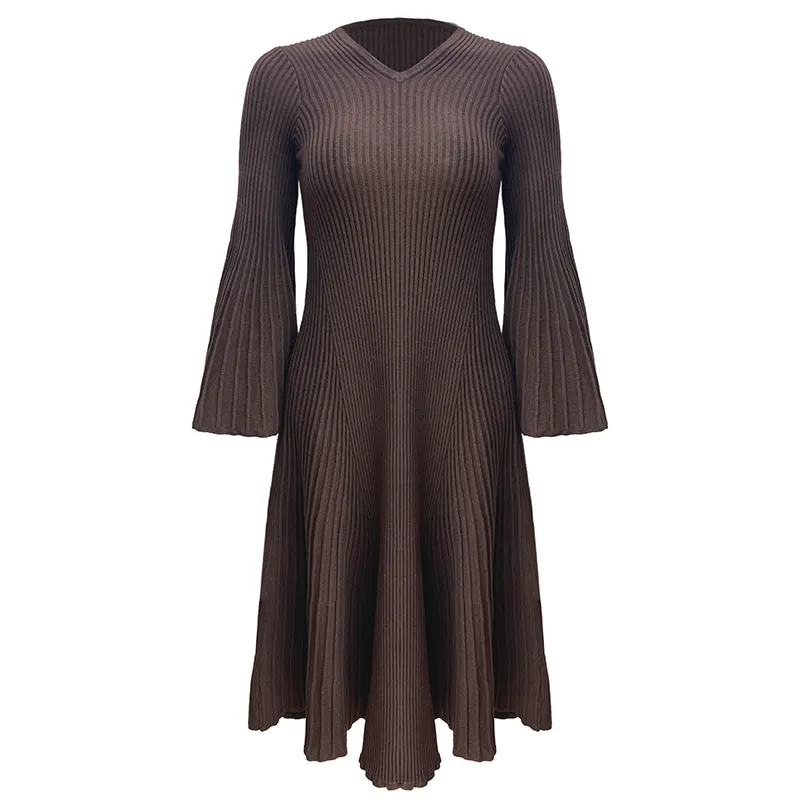
Ribbed V-Neck Bell Sleeve Knitwear Sweater Dress OEM Elegant A-Line Fit and Flare Outerwear Apparel Manufacturer
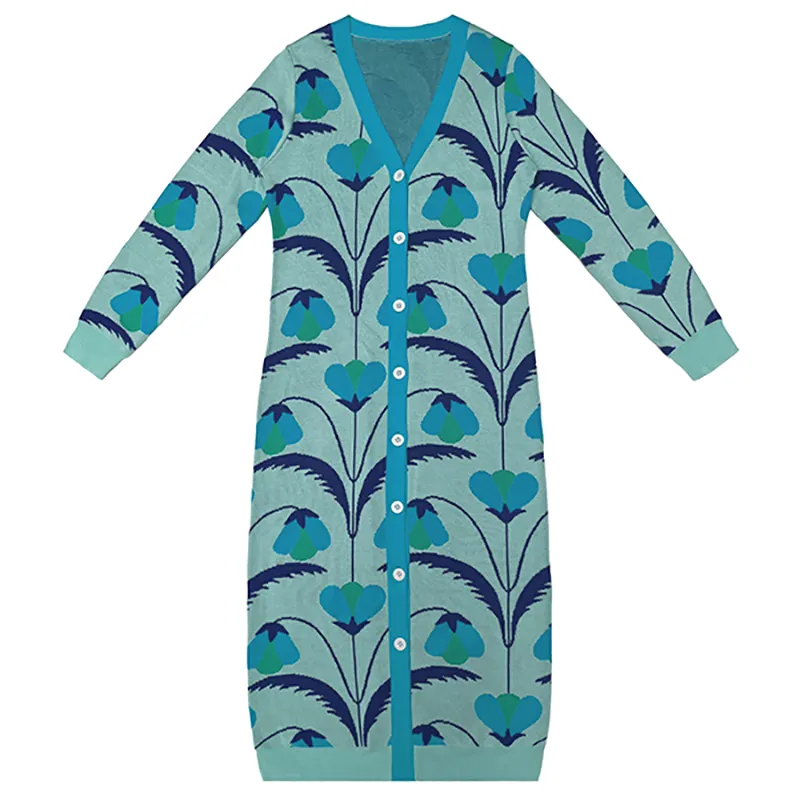
Floral Jacquard V-Neck Long Cardigan Dress OEM Sweater Manufacturer Button Front Maxi Knitwear Outerwear
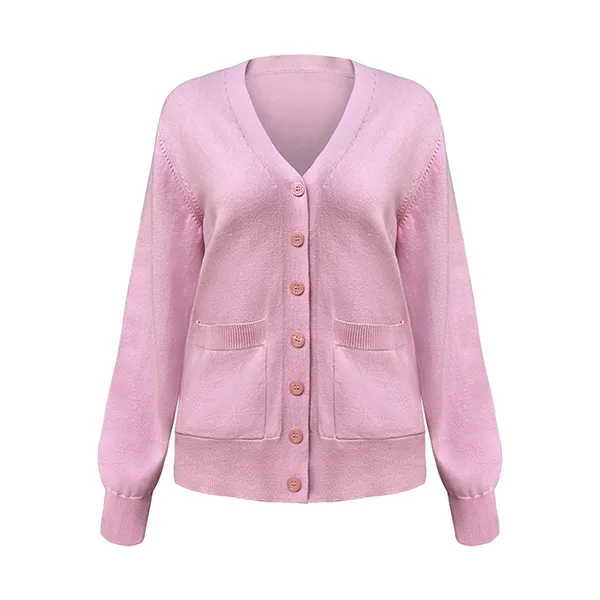
V-Neck Button Down Knit Cardigan Sweater OEM Manufacturer Fine Knit Pocket Outerwear Top Apparel
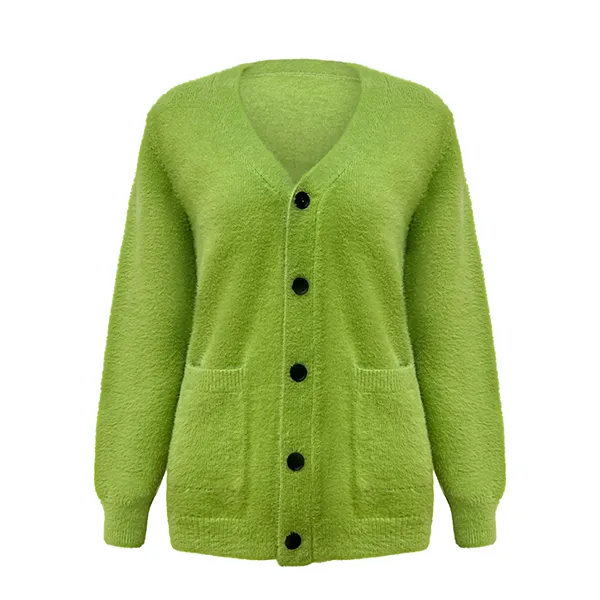
Fluffy Fuzzy V-Neck Cardigan Sweater OEM Manufacturer Oversized Button Front Pocket Knitwear Apparel
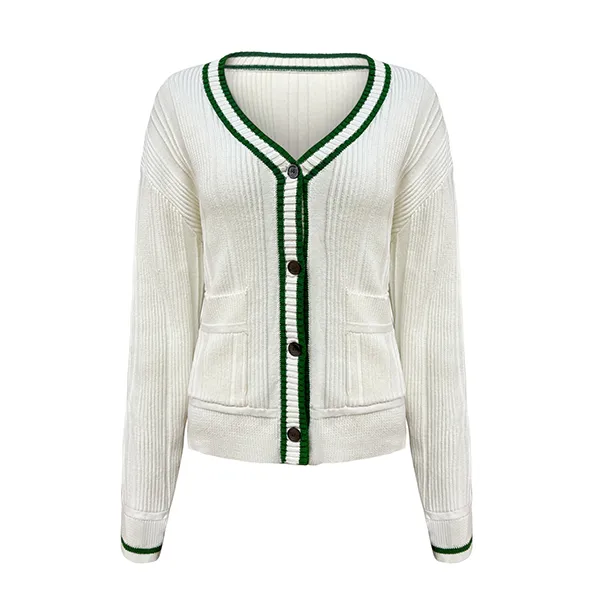
V-Neck Tipped Ribbed Cardigan OEM Manufacturer Preppy Style Button Down Sweater Pocket Knitwear Outerwear
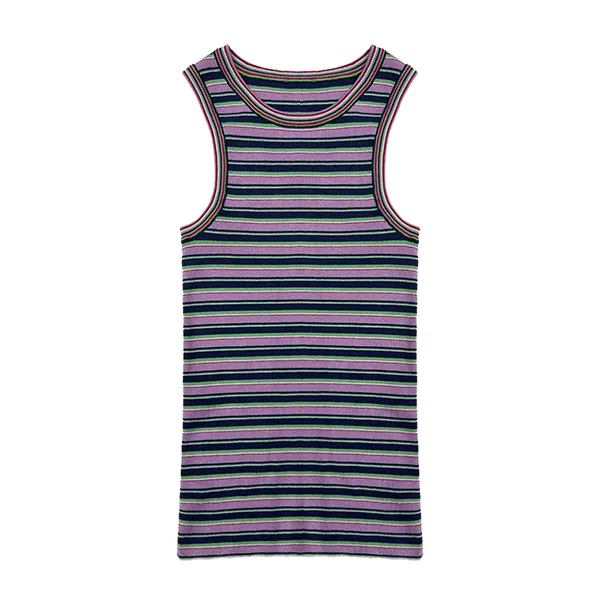
Sleeveless Striped Racerback Tank Top OEM Manufacturer Ribbed Fine Knit Sweater Slim Fit Cami Vest Top
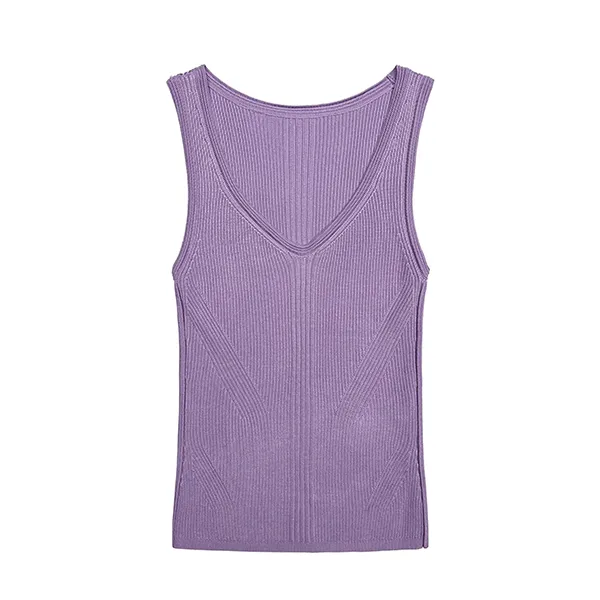
Sleeveless V-Neck Ribbed Tank Top OEM Manufacturer Slim Fit Textured Knit Sweater Cami Layering Top
Manufacturing Process
-
Project Consultation
Tell us what you’re building. We’ll review your tech pack or ideas, clarify specs, and advise on fabrics, fit, minimums, and estimated costs—everything you need to get started with confidence. -
Sourcing Materials
Reliable sourcing tailored to your needs. We work with trusted fabric suppliers to source the best quality materials within your budget. Choosing in-stock fabrics can help reduce lead time significantly. -
Sample Making
Your first product, handcrafted. Our skilled sampling team will cut and sew your sample for fit testing, design verification, and internal evaluation before send to you for review. -
Proto Revisions
We fine-tune, you approve. Need changes? We’ll revise based on your feedback quickly—most projects only take 1–2 rounds thanks to our experience and attention to detail. -
Bulk Production & QC
Mass production with full quality control. Once approved, your design goes into production. Our QC team monitors each stage to ensure consistency, durability, and compliance with your standards. -
On-time Delivery
Reliable shipping, wherever you are. We coordinate the packaging, documentation, and logistics to ensure your order is shipped on time, whether by sea, air, or express courier.
Trending Knits
-
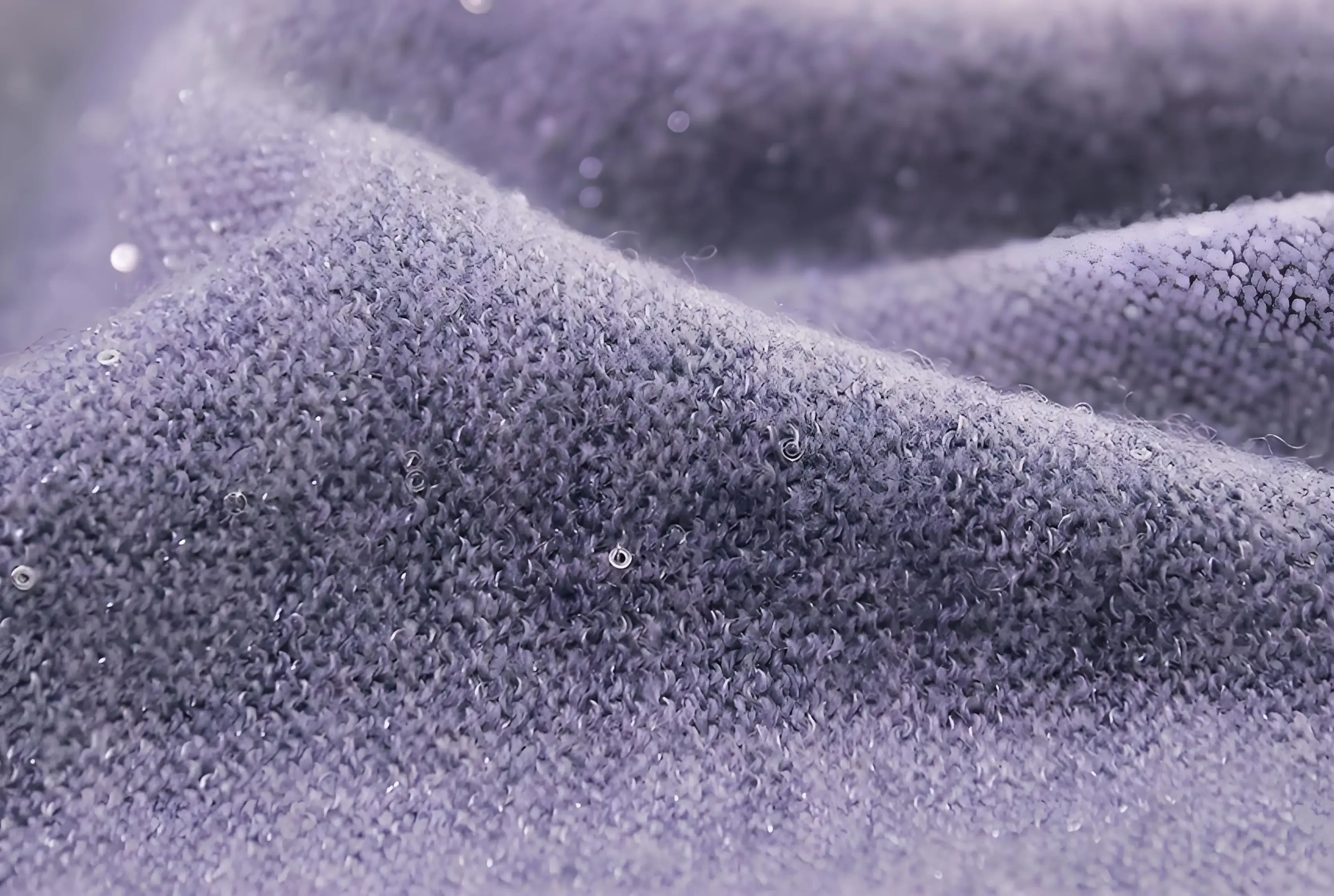
Merino Metallic Blend
As a professional women's sweater manufacturer, we supply premium superfine Merino metallic blend fabric. Soft, breathable, and warm with subtle shimmer, it's blended with nylon and rayon for durability and comfort—ideal for women's high-end knitwear.
-
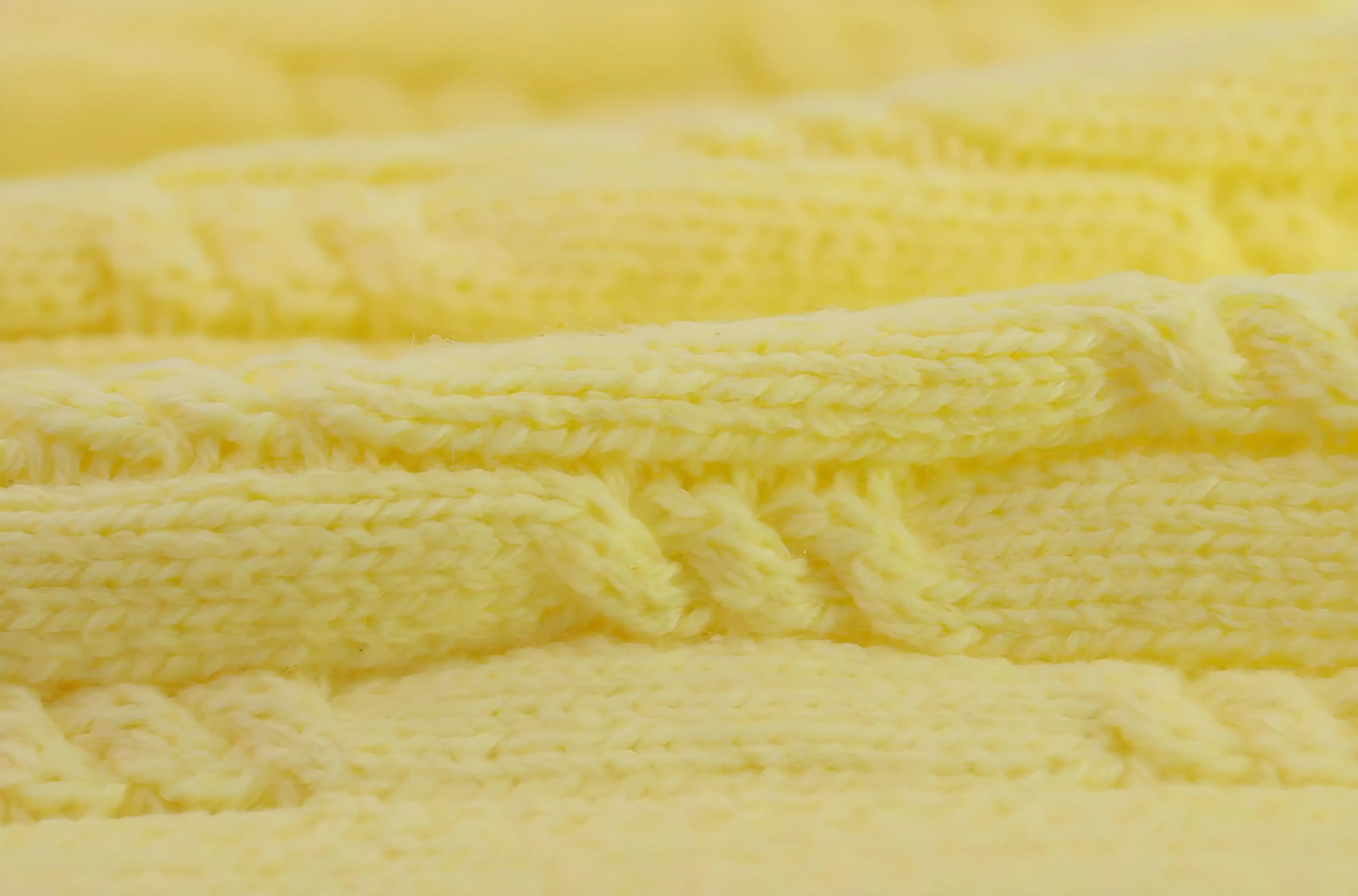
Bulky Cotton-Polyester Blend
Ideal for women’s sweater wholesale: a premium cotton-polyester blend that balances softness and exceptional durability. Its bulky knit provides lightweight volume and great shape retention, delivering structured, breathable knitwear — quality you can rely on for bulk orders.
-
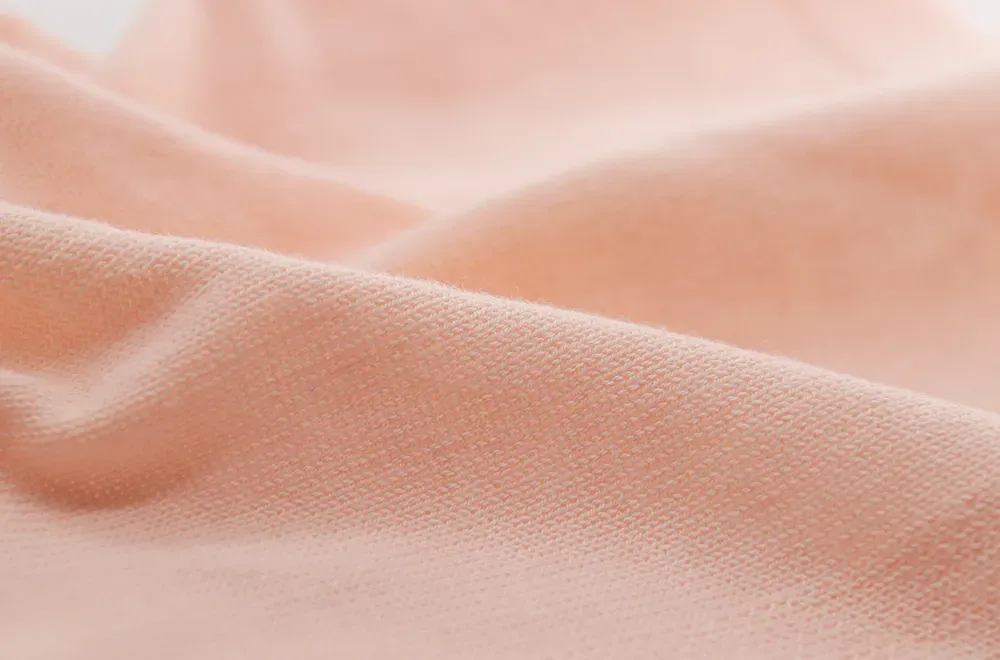
Combed High-Twist Cotton
Designed for buyers seeking high-performance yarns: combed for superior smoothness, with high-twist construction for enhanced strength. From our women’s sweater factory, we create lightweight, breathable knits with crisp stitch definition — ideal for structured, long-lasting garments.
Intellectual Aesthetics: Building Sweaters That Outlast the Trends
That’s why I want to talk to you about something different. Something I call 'Intellectual Aesthetics.' It’s not just a buzzword; it’s a survival strategy for brands that want to build real staying power in a market that’s constantly shifting.
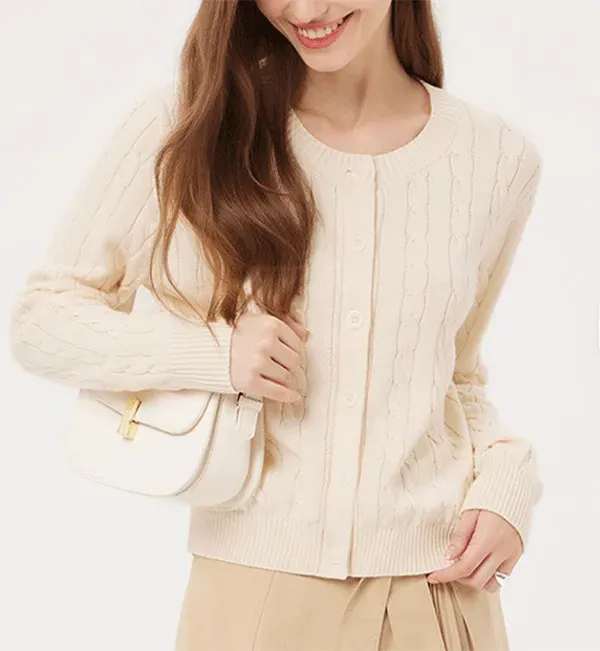
Here’s my take on how to build a collection that actually means something. I’ve been on the women’s sweater wholesale side long enough to have seen it all.
Let’s be honest: the most exhausting part of fast fashion isn't the price—it's the pace. Your customers are scrolling past colors that are "in" for three months and "out" by next Tuesday. It’s digital anxiety in physical form.
I believe real style isn’t about rejecting trends; it’s about having the guts to stand at a distance from them. It’s that simple "I know what I want" energy. This is where we get into the Anti-Trend Capsule Wardrobe Knits for Women. We aren't talking about boring minimalism. We’re talking about high-quality, structured premium sweaters. When we develop these at our factory, we view them as a psychological suit of armor for the modern woman.
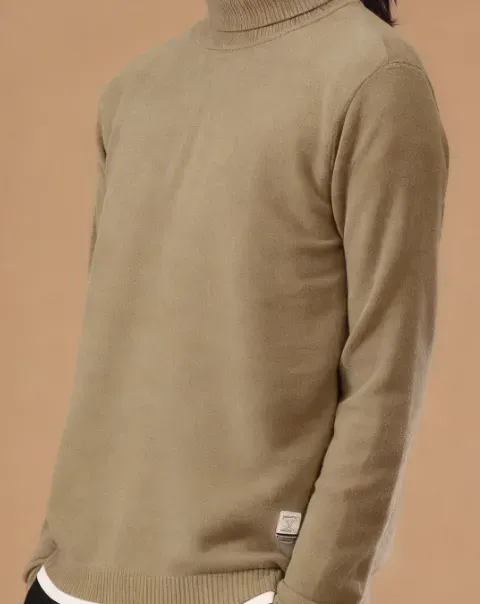
In this "intellectual" niche, you can’t fake it. Your customers can smell a cheap synthetic blend from across the street. We’re doubling down on Sustainable Merino Wool Staples for Academic Chic.
Here’s the geeky part and why it matters for your bottom line: we use 100% worsted Merino wool, strictly under 17.5 microns. We spin it into high-twist 2/48NM or 2/60NM yarns. Why? Because that’s how a quality-focused manufacturer ensures a sweater doesn’t pill and actually keeps its shape.
Looking at nowadays, this isn't just about "feeling good." It’s about compliance. Having a supplier with certainty from the fiber source up is your brand's best defense against evolving ESG regulations in the US and EU.
Nobody wants a sweater that looks like a wet noodle after two wears. "Intellectual Minimalism" requires what I call a "Tailored Knit" logic.
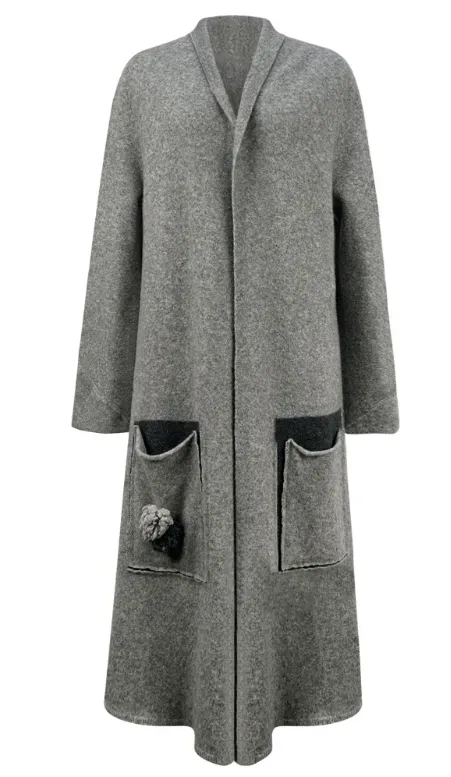
To get that Structured Knitwear look, we obsess over tension. Using 14-gauge or 16-gauge high-precision machines, we dial in the yarn density until the fabric has a real "skeleton." This allows a professional women’s workwear sweater to hold a sharp shoulder line and a crisp silhouette the moment it comes off the hanger. It’s not loungewear you wear to hide on the sofa; it’s a power move for the office.
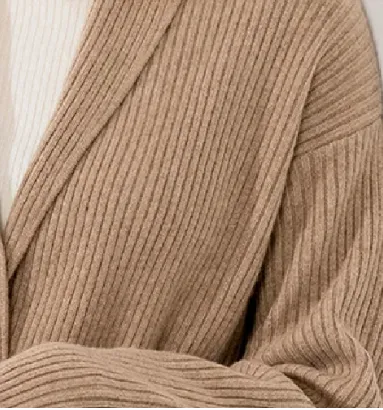
There’s a specific kind of magic in a quiet, old-school library—the smell of paper, the teak tables, the soft light. That’s the vibe for Library-Inspired Layering in Heavyweight Wool.
Our 7-gauge or 9-gauge heavyweight cardigans aren't just thick; they’re engineered for visual depth. They provide a sense of security. When you layer these over a fine-gauge turtleneck, you aren't just staying warm—you’re telling a story. For a Creative Director, these are the pieces that make a Lookbook pop without needing a single accessory. The weight of the drape does all the talking.
Real luxury isn't a loud logo. It’s that "click" when a customer feels the weight of a button. For our Bespoke Detail Cardigans for the Modern Intellectual, we skip the plastic. We’re talking real horn or cold-pressed shell buttons, each with its own grain.
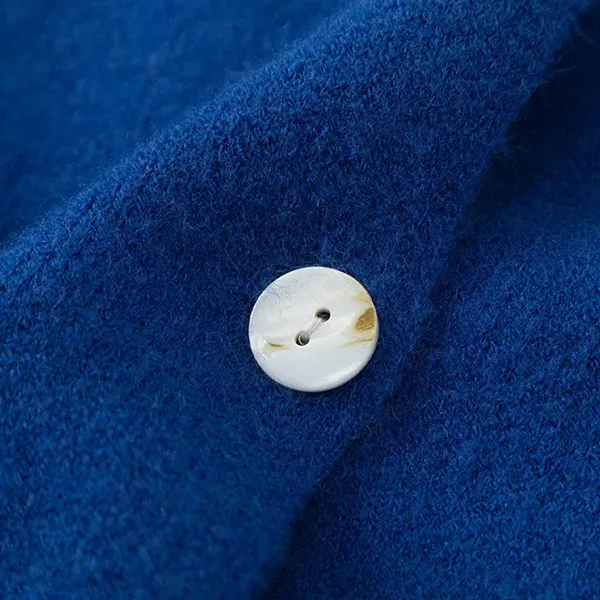
We utilize Seamless Joining or hand-linked seams so the lines look like they grew there naturally. These are "bespoke-level" touches that a standard mass-production factory usually skips. In a world of noise, this kind of quiet excellence is how you win over the most demanding customers.
At the end of the day, we aren't making clothes for Instagram likes that vanish in 24 hours. We’re in the business of "pleasing time." When a sweater stays in a customer's rotation for five years, it stops being a "purchase" and starts being a companion. As your manufacturing partner, my goal is to give you pieces with Heirloom Potential. In a world obsessed with speed, this "slowed-down" quality is the only real luxury left in the market.
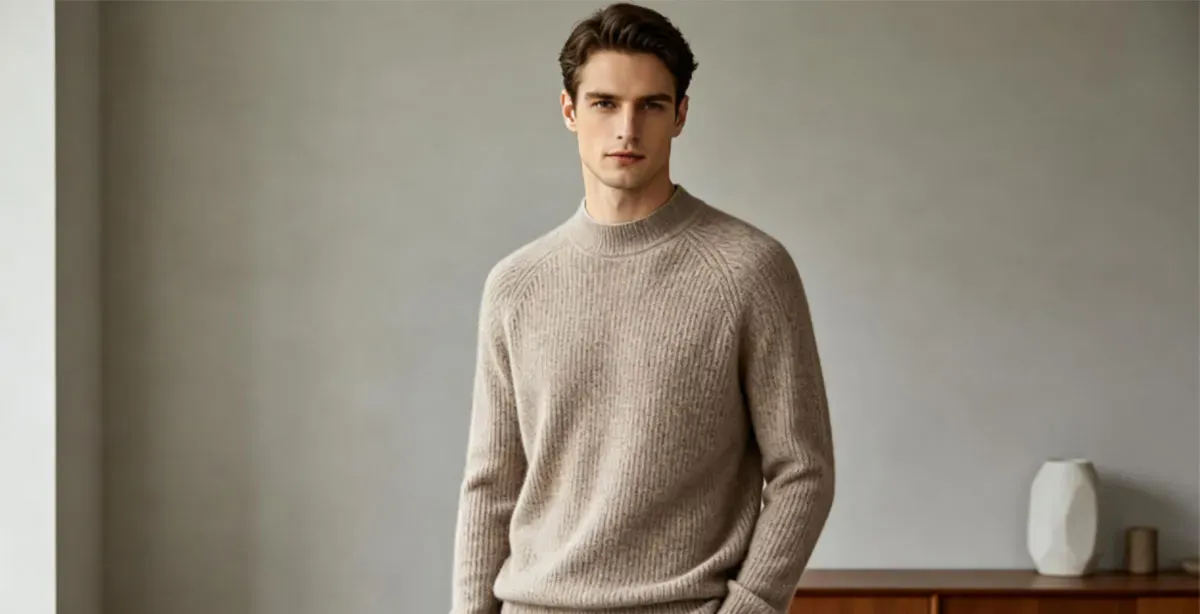
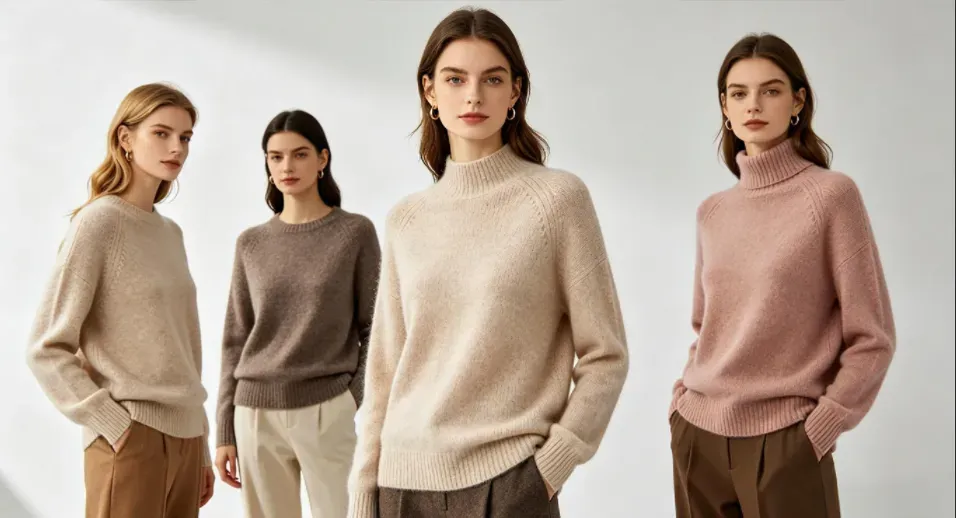
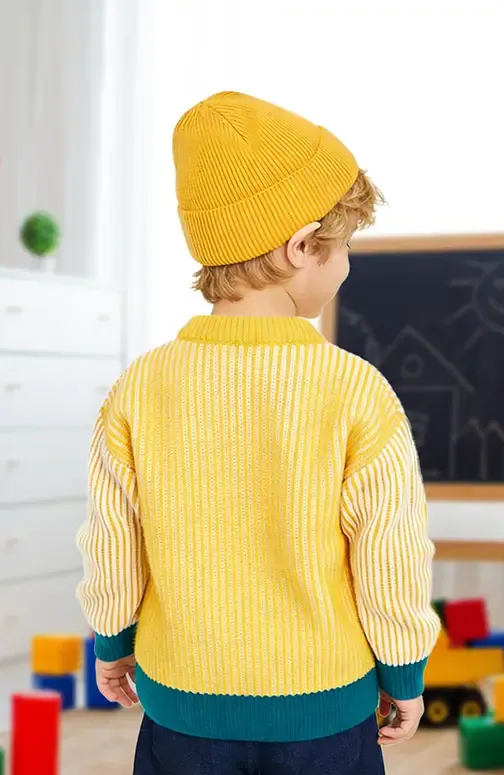
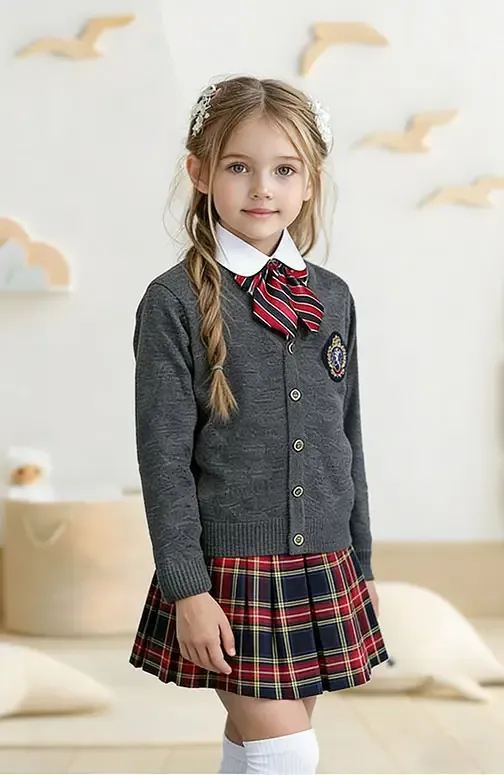
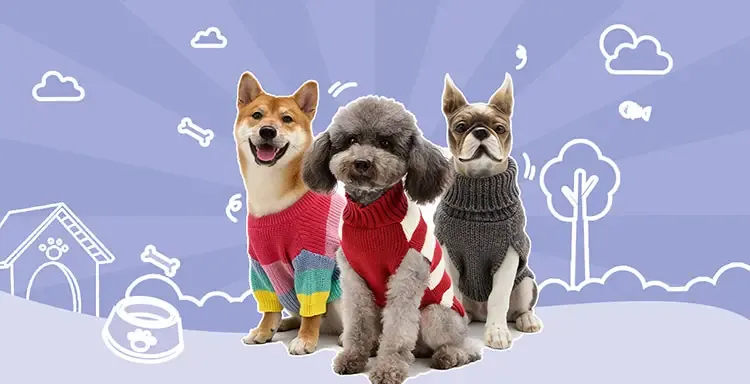
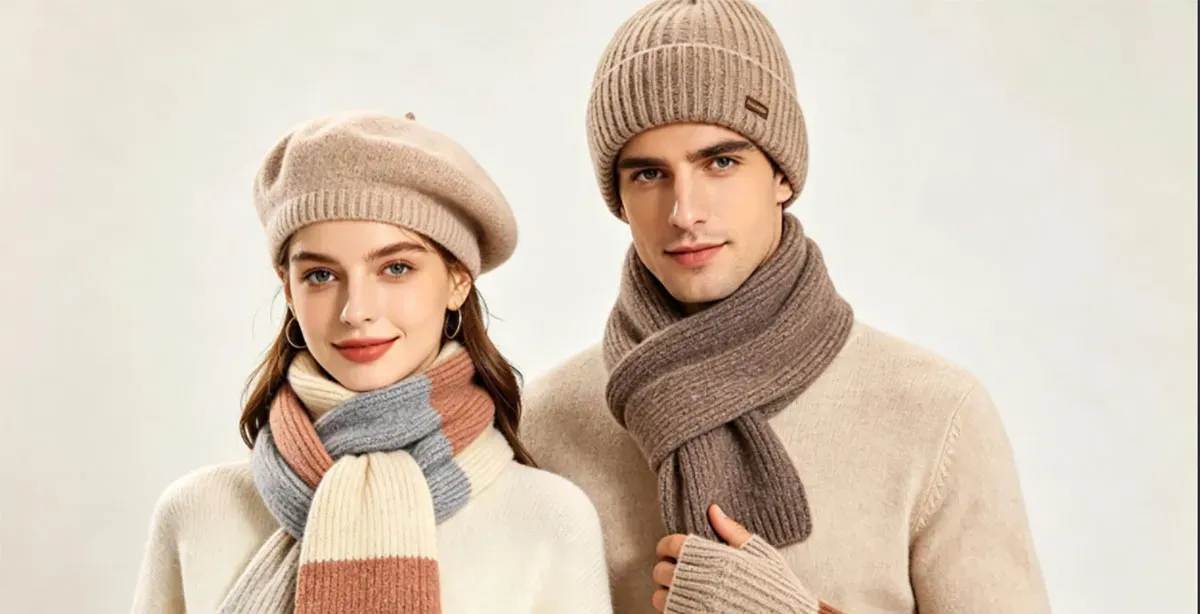
We can customize sweaters of various categories.
Sweater Factory Video
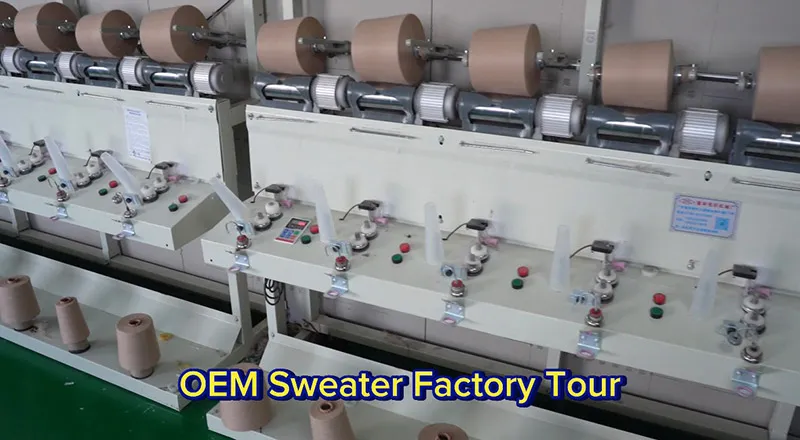
Inside a Leading Knitwear Manufacturer in China – Factory Tour & Behind the Scenes
Duration: 58sUpdated: August 10th, 2026Welcome to our knitwear manufacturing facility in Guangzhou, China. This video takes you behind the scenes of our 12,000-square-meter factory, where we produce high-quality knitted garments for brands worldwide. As a leading knitwear manufacturer in China, we specialize in custom OEM and ODM production across five core categories: men's knitwear, women's knitwear, children's knitwear, pet knitwear, and a full range of knitwear accessories. Men's Knitwear & Women's Knitwear Our factory is equipped with over 110 advanced STOLL computerized flat-knitting machines, capable of producing everything from classic crewneck sweaters and V-neck pullovers to fashion-forward cardigans and knit tops for men and women. With a gauge range of 1.5GG to 18GG, we can handle chunky cable knits as well as fine-gauge lightweight styles. Whether you need a bulk order for a retail chain or a small batch for a startup brand, our flexible production lines ensure consistent quality and on-time delivery. We work closely with fashion brands, wholesalers, and importers across North America, Europe, and Australia, offering full-service support from yarn selection to finished garment inspection. Children's Knitwear & Pet Knitwear Our expertise extends to children's knitwear and pet knitwear – two fast-growing segments in the global apparel market. For kids, we produce soft, durable, and safe sweaters in a wide range of colors and styles, from school uniforms to casual wear. All children's garments are crafted from certified materials that meet international safety standards. For pets, we are a trusted manufacturer of custom dog and cat sweaters, offering breed-specific sizing, premium yarns, and creative designs that keep pets warm and stylish. Whether you are launching a pet apparel line or expanding your children's collection, our low MOQ and fast sampling service make it easy to get started. Knitwear Accessories Beyond sweaters, we are also a leading manufacturer of knitwear accessories – including beanies, scarves, gloves, headbands, and knit hats. These accessories are produced using the same high-quality yarns and precision knitting techniques as our garments, ensuring a cohesive look and feel across your entire product line. With our in-house design team, we can develop custom patterns, colors, and branding elements to match your collection's aesthetic. Behind the Scenes: Our Process In this video, you will see every stage of our production process – from yarn intake and quality inspection to computerized knitting, linking, washing, and final quality control. Our facility is certified under GRS, BSCI, WRAP, ISO 9001, and OEKO-TEX, reflecting our commitment to ethical manufacturing and environmental responsibility. We also maintain a dedicated sample showroom where clients can review fabric swatches, gauge samples, and finished prototypes before placing bulk orders. Why Choose Us? As a direct knitwear manufacturer in China, we offer factory-direct pricing, transparent communication, and a dedicated account management team for every project. Whether you need men's knitwear, women's knitwear, children's knitwear, pet knitwear, or knitwear accessories, we are your one-stop partner for reliable, high-quality production. Book Your Factory Tour Today We welcome international buyers to visit our factory and see our operations firsthand. Schedule a visit to meet our team, review our capabilities, and discuss your next collection. Contact us now to arrange your factory tour!
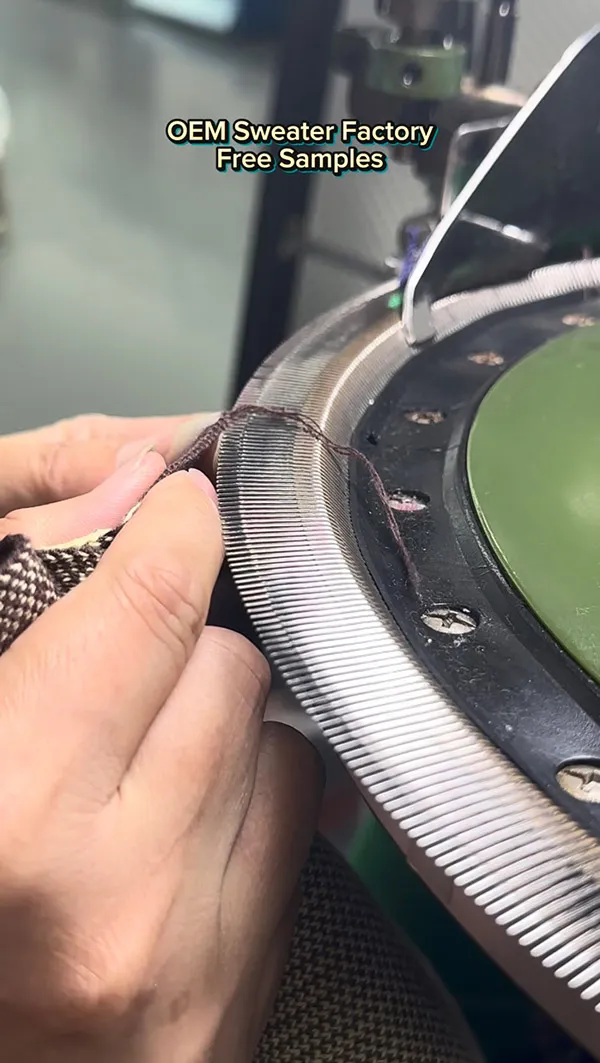
Vest Knitwear Manufacturer: Brown Patterned Knit Armhole Edge Joining Video Shows Flat Seams and Free Samples
Duration: 36sUpdated: September 18th, 2026This brown patterned knit armhole joining video demonstrates how flat, clean seams are assembled for sleeveless sweater vests and layered waistcoats. Crafted with soft cotton or wool blend yarn, the patterned jacquard structure provides comfortable stretch, lightweight warmth, and shape retention, perfect for retro preppy styling, smart casual office wear, and autumn layering collections. The smooth armhole finish eliminates bulky inner seams, giving custom sweater vests a refined drape and tailored fit. Designed for independent fashion brands, our vest knitwear manufacturer setup offers complete OEM/ODM production capabilities. We support low MOQ small-batch orders, custom pattern development, private brand labeling, and free physical samples so design and sourcing teams can verify fabric weight, softness, and seam strength before placing bulk wholesale orders.
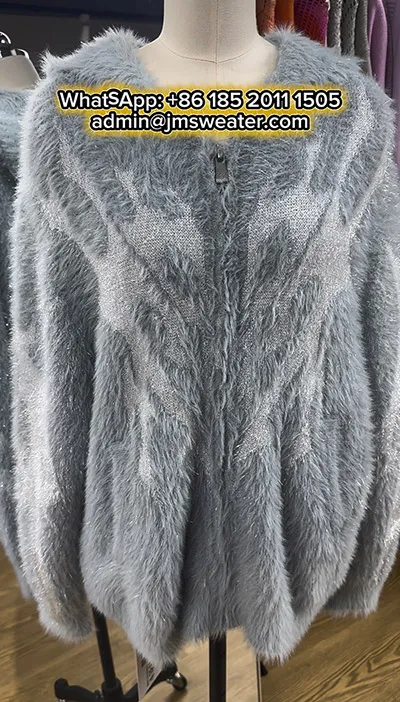
Zip Cardigan Sweater Manufacturer: Grey Fuzzy Lurex Jacquard Full Zip Jacket Video Shows Custom Options and Free Samples
Duration: 28sUpdated: September 14th, 2026This grey fuzzy lurex jacquard cardigan presentation showcases a plush, brushed surface woven with subtle metallic yarn highlights. Crafted from a soft, high-pile mohair-touch blend, this full-zip sweater jacket features a dynamic visual texture, ribbed hemline, and smooth zipper closure. The combination of cozy tactile warmth and eye-catching silver shimmer makes it a standout outerwear piece for winter holiday lines, evening casual fashion, and boutique womenswear collections. Partnering with an experienced zip cardigan sweater manufacturer gives independent fashion labels access to complete OEM/ODM production capabilities. Our direct factory services support custom lurex pattern development, specialized yarn blend sourcing, custom brand labeling, and low MOQ small-batch orders. Free physical samples are provided to allow design and sourcing teams to evaluate fabric softness, shimmer effect, and overall garment finishing prior to placing bulk wholesale orders.
Sweater Manufacturer Blog
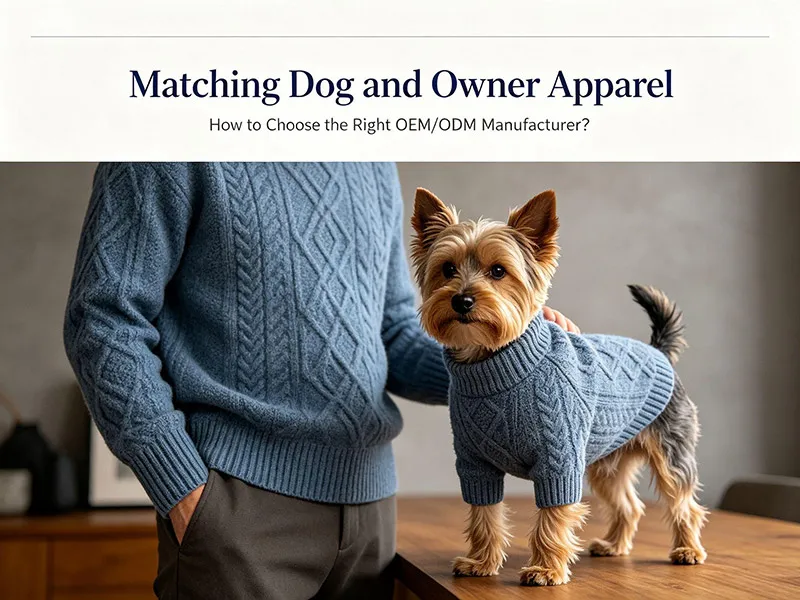
Matching Dog and Owner Apparel: How to Choose the Right OEM/ODM Manufacturer?
Table of Contents 1. The Petconomy Boom: Why Pet-Owner Matching Sweaters Are the Ultimate Q4 Opportunity Market insights, pet humanization trends, and Q4 revenue drivers for matching knits. 2. Winning Product Selection: 3 High-Profit Styles for B2B Buyers Top three high-margin styles: Ugly Christmas, Retro Jacquard, and Sustainable knits. 3. How to Choose the Right Pet Knitwear Manufacturer (OEM/ODM Vetting Criteria) Essential supplier criteria: canine fit, STOLL machinery, hand-linking, and low MOQs. 4. Partner with an Experienced Sweater Manufacturer for Your Next Collection Full-service OEM/ODM manufacturing, fast sampling, and custom B2B quotes. The Petconomy Boom: Why Pet-Owner Matching Sweaters Are the Ultimate Q4 Opportunity Every time we sit down with a new brand client, the first question is the same: is this matching dog-owner sweater thing just a flash in the pan, or is there real money in it? We've been in knitwear for over twenty years, and we've seen trends come and go. This one? It's not going anywhere. Look at the numbers. The global pet apparel market cleared $6 billion recently, and it's climbing at nearly 6% year over year. North America and Europe take the lion's share—over 60%. What does that mean for you? When other categories dip, pet apparel market growth stays stubbornly positive. And here's the kicker: selling sweaters in "adult + dog" pairs doubles your average order value instantly. That's not a gimmick; that's math. But the real fuel is pet humanization. Young buyers in the US and Europe treat their dogs like kids—they dress them, they post them, they twin with them. Scroll through TikTok for five minutes and you'll see exactly what I mean. That organic social pull is driving serious demand for matching dog and human clothes B2B sourcing. And the timing? Q4 is make-or-break. Halloween, Thanksgiving, Christmas—these holidays turn matching knits into absolute rockets. Families want coordinated photos, party outfits, cozy vibes. Knits beat printed T-shirts hands-down because they feel warmer, photograph better, and handle complex jacquard patterns that scream "festive." The catch? The window is tight. One wrong move on sampling or production lead time, and you miss the entire season. That's why we tell every buyer: vet your manufacturer before you need them. Winning Product Selection: 3 High-Profit Styles for B2B Buyers Let's get practical. High margins don't come from pretty pictures—they come from designs that actually run well on our machines. When we help brands plan their wholesale matching dog and owner sweaters lineup, we always steer them toward three proven categories. Each one plays to a different strength of our shop floor. Ugly Christmas Sweaters: Festive Social Hits You know the ones—loud colors, reindeer, snowflakes, maybe a pom-pom or two. These are social media bait, and they sell like crazy. From a production angle, we recommend 3G to 5G coarse gauge for these. Why? The thick, chunky texture gives that perfect holiday heft, and the open structure hides small tension variations—so we can crank out high volumes without sacrificing that cozy look. On our production floor, we've run thousands of these in a single week during peak season. They're forgiving, they're fast, and they photograph like a dream. Retro Jacquard & Fair Isle: Cross-Season Classics Fair Isle and geometric jacquards are a different animal. They stay relevant from October straight through February, so you get a longer selling window. But here's the challenge: scaling the pattern from an adult oversized fit down to a dog's contoured body without distorting the motif. That takes precision. We run German STOLL computerized flat machines for exactly this reason. When we adjust stitch density and needle count, the pattern holds true—no stretching, no warping. We've learned that the hard way over the years, and now we nail it every time. Solid Minimalism & Sustainable Knitwear: Premium Eco-Conscious Direction For brands chasing the "quiet luxury" buyer, think ribbed knits in muted earth tones. Simple, clean, premium. And if you're serious about the high-end segment, you need to talk sustainability. We use GRS-certified recycled polyester and organic cotton blends to produce sustainable pet knitwear—and we've seen brands price these 30% higher with no pushback. Western buyers are actively looking for this. Ignore it, and you leave money on the table. How to Choose the Right Pet Knitwear Manufacturer (OEM/ODM Vetting Criteria) Here's a truth most buyers learn too late: a dog sweater is not a miniature human sweater. Not even close. When our pattern-makers grade dog garments, we focus on the chest-to-neck ratio first—canine mobility is fundamentally different from humans. You can't just scale down. So how do you separate the real pet apparel manufacturer from the pretenders? We suggest three non-negotiable checks. Canine Ergonomics & High-Precision Machinery Walk into our sampling room and you'll see racks of dog mannequins—different breeds, sizes, chest depths. That's not for show. We've built a library of pet-specific blocks over years of trial and error. And to execute those patterns, you need the right equipment. We rely on STOLL and Shima Seiki machines—not because they're expensive, but because they let us switch between 3G and 18GG in minutes. When we miniaturize a complex jacquard for a small-breed dog, the machine's precision keeps every stitch in place. Try that on a generic flat-knit machine, and you'll get puckering and distortion. We've seen it happen. Hand-Linking Seams & Safety Compliance Now, get this: dogs have sensitive skin. A raised seam will rub raw in hours. That's why we insist on hand-linking for all pet garments—every seam is flat, smooth, and invisible from the outside. It takes longer, sure, but our clients' repeat orders tell us it's worth it. Safety? We don't compromise. All yarns must pass OEKO-TEX Standard 100 with non-toxic dyes—because dogs lick everything. And we run 90N pull-force tests on every button and zipper. If it can't hold 90 newtons, it doesn't go into production. Period. Agile Supply Chain: Low MOQ & Quick Turnaround Here's the part we hear most from new brands: "We don't want to order 5,000 pieces before we know what sells." Fair enough. That's why we offer low MOQ pet clothes OEM—starting from as few as 100 pairs per design. You test the market, we support you with 3-day sampling and 15-day bulk delivery when you reorder. In Q4, when every day counts, that agility is your safety net. We've had clients triple their orders mid-December because they could react fast. You can too. Partner with an Experienced Sweater Manufacturer for Your Next Collection At the end of the day, your success comes down to execution. We've been knitting in the Guangdong textile hub for over a decade, and we've learned every trick—from tuning STOLL machines for fine-gauge Fair Isle to hand-linking seams that dogs don't even feel. We use GRS-certified recycled fibers, we test to OEKO-TEX, we pull-test every accessory to 90N. And we offer one-stop OEM/ODM from your concept sketch to 3D sampling to bulk production—no handoffs, no miscommunication. Our low MOQ policy means you can start small. Our quick-turn sampling means you can iterate fast. And our pricing? We'll give you tiered B2B quotes within 24 hours of seeing your specs. Ready to launch your next pet-owner matching collection? Request a Sample See our hand-linking finish and dog-fit precision for yourself. We'll ship samples in 3–7 days. Get a Custom Quote for Your Pet Line Send us your design files, gauge preferences, or target budgets. Our technical team will get back to you within 24 hours with numbers that make sense. Frequently Asked Questions (FAQ) Q1: What is your Minimum Order Quantity (MOQ) for custom matching dog and owner sweater sets? Answer: Our standard low-MOQ starts at 100 sets per style (1 set = 1 adult sweater + 1 matching dog garment). You can split the dog garments across multiple sizes (S–XXL) to test your market before committing to larger production runs. Q2: How do you handle pattern scaling between human oversized fits and dog garments? Answer: We never simply "shrink" human patterns. Our pattern-makers utilize dedicated canine mannequins and pet-specific pattern blocks. We adjust stitch counts and density using German STOLL computerized flat machines to ensure complex jacquards and Fair Isle motifs scale down proportionally without distorting or restricting canine chest and leg mobility. Q3: What are your sample and bulk production turnaround times during the Q4 peak season? Answer: Physical sample development takes 3 to 7 days from tech pack approval. Once fit samples are finalized, our bulk production lead time is 15 to 20 days, giving you the speed needed to capture rapid Q4 reorders. Q4: Are the yarns and hardware safe for pets according to US/EU compliance standards? Answer: Yes. All yarns are dyed with non-toxic colorants and carry OEKO-TEX Standard 100 certification. Additionally, all buttons, zippers, and decorative hardware undergo 90N pull-force tension tests on our shop floor to prevent small parts from detaching and becoming choking hazards. Q5: Can you manufacture matching pet-owner knits using sustainable or recycled materials? Answer: Absolutely. We offer GRS-certified recycled polyester, organic cotton, and eco-friendly blended yarns. These options allow fashion brands to meet Western ESG sourcing criteria while commanding premium retail price points.
view more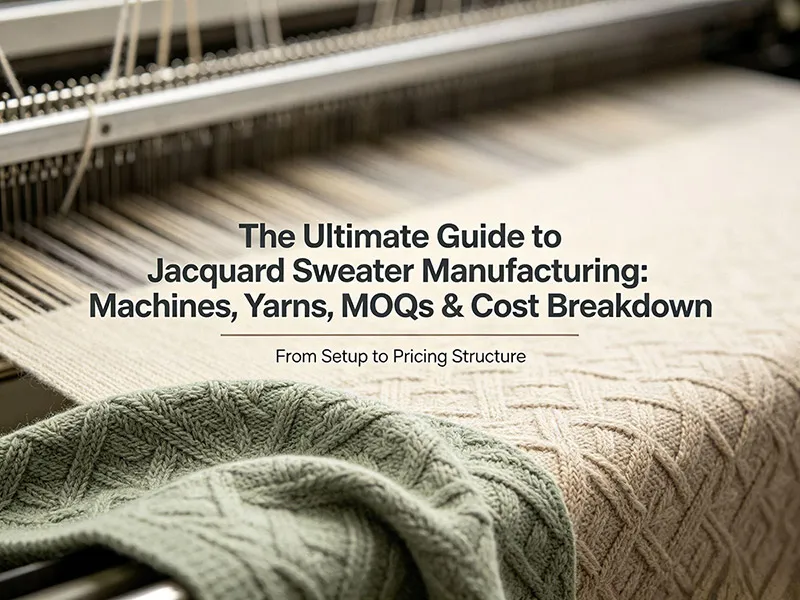
The Ultimate Guide to Jacquard Sweater Manufacturing: Machines, Yarns, MOQs & Cost Breakdown
When a brand hands over a meticulously designed jacquard Tech Pack to a factory, the expectation is a premium, high-end garment. Too often, what comes back is a sample that misses the mark: stiff, heavy fabric, blurry edges on multi-colour patterns, and—flip it inside out—a mess of tangled floating threads that not only irritate the skin but snag at the slightest touch, rendering the entire piece unsellable. These disasters aren't a design flaw. They're a supply chain capability gap. High-end jacquard isn't just about feeding a few different coloured yarns into a machine. It demands extreme precision in tension control on computerized flat-knitting machines, exacting yarn weight ratios, and intelligent sequencing of multi-colour feeds. Without the hardware and the pattern-making experience to back it up, forcing complex jacquard through subpar equipment results in rigid, lifeless fabric and sky-high rejection rates. As a Guangzhou-based knitwear manufacturer with 21 years of roots in this industry, JM Sweater converts over a million complex knitwear orders for the US and European markets every year. We know exactly which physical barriers await those "perfect designs" once they hit the production floor. So, this guide isn't going to waste your time with the history of jacquard or basic definitions. We're taking you straight onto our factory floor for a hardcore, technical breakdown of what it actually takes to produce a high-quality jacquard sweater. Jump straight to the section you need: Machine Capability & Gauge Selection — How STOLL parameters eliminate pattern distortion and why choosing the right gauge (1.5GG–18GG) banishes stiffness. Yarns, Intarsia & Compliance — Moving beyond floating threads with local intarsia, plus GRS eco-fibres and US CPSC safety standards. The 50-Piece MOQ Advantage — Breaking down low-risk market testing with our agile 7–12 day sampling and 28–35 day bulk lead times. Transparent Cost Breakdown — The core 4-pillar price formula (Yarn, Machining, Weight/Gauge, and Hand-linking) with zero hidden fees. If you want your next jacquard sweater collection to pass sampling on the first try, avoid every major production pitfall, and maintain tight control over your margins, keep reading. The Engine of Precision: Why Machine Capability Defines Jacquard Quality A jacquard sweater's quality is largely determined the moment the yarn hits the machine. Many brands blame pattern distortion or fabric puckering on the pattern-maker, but the hard truth is that hardware capability sets the ceiling on what's achievable. Overcoming Complexity with 110 STOLL Knitting Machines Why does JM Sweater insist on equipping our 3,000-square-meter facility with 110 advanced German STOLL computerized flat-knitting machines? Because when handling complex multi-colour jacquard, the weaknesses of standard machines become glaringly obvious. They struggle to manage the constant switching between multiple coloured yarns. Inconsistent tension creates uneven, bumpy fabric surfaces, and skipped stitches are a frequent headache. The final sample bears little resemblance to the design in your Tech Pack. STOLL machines are considered the gold standard in the knitting industry for one killer feature: extreme tension control. Whether we're working with delicate cashmere, sustainable recycled fibres, or elasticated blended yarns, STOLL machines deliver pinpoint precision over every yarn feed. Practically, this means every tiny colour block you sketch on your design sheet gets pixel-perfect replication. The stitching lies flat, the patterns stay sharp, and we eliminate the cheap-looking edge distortion that plagues multi-colour knitting. Decoding Gauges (1.5GG to 18GG) for Your Design When developing jacquard sweaters, you'll constantly hear the term "Gauge." Don't let the jargon put you off—just think of it as the "resolution" of your garment. Backed by 21 years of manufacturing expertise, we're one of the few full-package factories that can offer the full gauge spectrum, from 1.5GG all the way up to 18GG. How to choose? Bold, Chunky Designs: If you're developing a statement streetwear piece with a vintage handcrafted feel and a stiff, structured silhouette—like our hugely popular heavyweight mountain landscape intarsia —then coarse gauges like 1.5GG to 3GG are your perfect match. They impart an intense, three-dimensional texture to the fabric. High-End Womenswear & Baby Knits: If your brand focuses on luxury womenswear or baby/kids' knits where next-to-skin comfort is paramount, then ultra-fine gauges from 16GG to 18GG are your go-to. At 18GG, your jacquard machine essentially becomes a high-precision digital printer, capable of producing exceptionally crisp, detailed patterns on fabric that feels as light and smooth as silk. We're talking high-end sophistication, free from the bulk and stiffness of traditional jacquard. Yarns & Colours: Balancing Aesthetics, Comfort, and Compliance Colour is the soul of jacquard design, but handled poorly, it becomes a disaster. Brands often wrestle with one question: what's the maximum number of colours you can use in a single sweater? From Bulky Floating Threads to Lightweight Intarsia In traditional jacquard knitting, inactive yarns are carried across the back, creating what we call floating threads. More colours mean more yarn built up on the inside. If you pack in too many hues, the sweater becomes rigid, heavy, and prone to snagging when long floats catch on jewellery or fingernails. To break free from the "more colours = heavier sweater" trap, JM Sweater heavily relies on Intarsia sweater manufacturing. Think of our acclaimed Starry Forest or Sleeping Fox landscape intarsia collections. Intarsia is a single-layered, local knitting technique—only the yarn required for a specific colour block participates in the weave. The back remains clean, with no lengthy floats. This approach allows us to faithfully reproduce intricate landscapes, animal motifs, or geometric art without sacrificing an ounce of the garment's natural lightness and fluid drape. From GRS Recycled Fibres to a CPSC-Compliant Supply Chain Visual appeal alone isn't enough. Buyers in the US and Europe demand rigorous environmental and safety standards from the materials they source. On the fibre side, we fully support GRS-certified recycled yarns and dyes that strictly comply with OEKO-TEX Standard 100. This means every jacquard sweater you source from us is ethically and chemically sound from the very first fibre, passing both sustainability and skin-friendliness tests with flying colours. This is especially critical when developing children's knitwear production or school uniforms. Here, compliance is non-negotiable. We have the mature manufacturing experience to ensure all fabrics and processes fully meet US CPSC 16 CFR 1610 flammability standards and relevant exemptions. We can also provide legitimate CPC certificates directly. From the choice of a single yarn to full international compliance, we effectively reduce your supply chain risk to zero. The Agile Supply Chain: Why a 50-Piece MOQ Matters In cross-border apparel, traditional jacquard manufacturing often comes with prohibitive financial risks. The majority of conventional factories demand rigid minimum order quantities (MOQs) running into thousands of pieces. This not only ties up massive cash flow for independent designers and e-commerce brands but, more critically, kills their ability to test new styles in the market. They jump through hoops to get a complex jacquard sample passed, only to have the high MOQ slam the door on production. As a direct manufacturer acutely aware of these buyer pain points, JM Sweater has completely flipped this industry norm. Our low MOQ sweater production (50 pieces per style/colour) strategy is designed to empower small to mid-sized independent brands, startup e-commerce ventures, and fast-fashion retailers. Think of it as low-cost market testing—you can launch your meticulously designed jacquard collection without the crushing inventory risk of unsold stock, iterating quickly based on real consumer feedback. But a low MOQ doesn't mean long waits or compromised quality. Our 3,000-square-metre facility, powered by 110 advanced STOLL machines, runs a highly standardized agile supply chain. From the moment you greenlight your design, every stage of the production cycle is crystal clear: Prototyping (Sample Stage): 7–12 Days — Upon receiving your Tech Pack or reference sample, our expert pattern-makers and programmers develop the sample within 7–12 working days, ensuring fit, weight, and jacquard details are right the first time. Bulk Production: 28–35 Days — After sample approval and final order details, our vertically integrated yarn procurement and production lines deliver the complete bulk order within 28–35 days. By coupling our flexible supply chain with this efficient timeline, we don't just clear inventory risk—we ensure your brand stays agile and competitive in a fast-paced market. The Transparent Cost Breakdown: What Are You Paying For? In B2B knitwear sourcing, what frustrates brands most isn't the communication—it's the foggy, opaque pricing that seems to change at a moment's notice. Overseas buyers often ask: why can two visually similar jacquard sweaters carry wildly different price tags from different factories? As a direct manufacturer with 21 years of experience, JM Sweater is committed to full cost transparency. The final price of a custom jacquard sweater manufacturer quote isn't guesswork; it's a precise formula built on these four pillars: Cost Factor Impact & Professional Logic 1. Yarn Cost The fibre determines both the price floor and the quality ceiling. From premium cashmere, skin-soft Merino wool, sustainable organic cotton/GRS recycled fibres, to cost-effective standard blends—your choice of fibre drives the material cost variance. 2. Machine Running Time Pattern complexity dictates the STOLL machine's operating hours. The more intricate your design and the more colour switches involved, the slower the knitting speed must be. Programming and debugging time (and associated costs) rise accordingly. 3. Weight & Gauge The physical weight of the garment and the precision of its construction. A heavier sweater consumes more yarn. High-end, ultra-light garments (like those knitted in 16GG to 18GG) require exponentially more precision and time, which is reflected in the unit processing cost. 4. Finishing Techniques The critical final mile that separates a premium sweater from a cheap one. We insist on hand-linking sweater factory standards for a seamless, refined finish. While it costs more than the basic machine stitching used by low-end suppliers, it delivers genuine flat seams and superior durability. We reject information asymmetry. Hand us a clear Tech Pack, and we'll provide you with a precise, fair quote based on these four factors—with zero hidden fees. Every dollar of your budget goes into visible, tangible quality. Conclusion: Bring Your Jacquard Vision to Life Commissioning a custom jacquard sweater that blends visual impact with commercial viability shouldn't be a leap of faith. From the raw precision of our hardware, the stringent balance of yarns and intarsia work, our wholesale knitwear supplier capabilities, to our fully transparent cost breakdown—every step of the journey demands the solid foundation only an experienced direct manufacturer can provide. As a Guangzhou-based knitwear manufacturer with 21 years of industry pedigree, JM Sweater operates from a 3,000-square-meter modern facility, running 110 advanced STOLL flat-knitting machines with a stable annual production capacity of 1.2 million pieces. We're more than a factory; we're a long-term strategic partner you can trust to navigate the global knitwear market. Whether you have a fully detailed Tech Pack or just a preliminary design sketch in mind, don't hesitate. Ready to elevate your knitwear collection? Request a Free Quote & Tech Pack Review — Let our experienced technical team provide a professional evaluation and precise costing today. Order Your Jacquard Sample in 7–12 Days — Transform your design concepts into tangible, premium garments with our rapid sample turnaround.
view more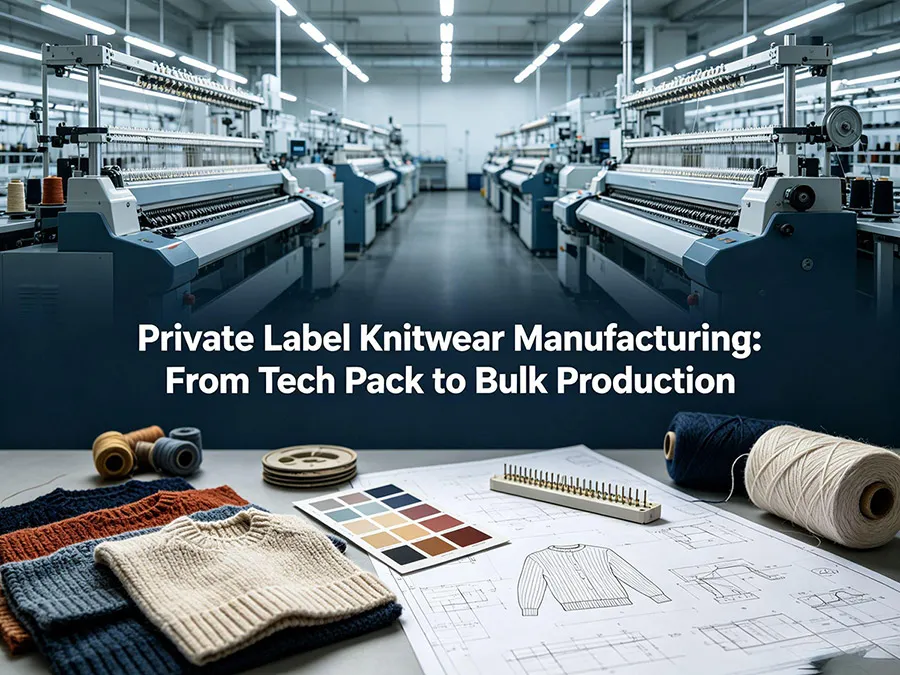
Private Label Knitwear Manufacturing From Tech Pack to Bulk Production
Walk onto any knitwear factory floor, and you’ll quickly realize private label isn't just about stitching a brand logo onto a stock sweater or swapping out a hangtag. For apparel sourcing managers and brand developers, genuine custom knitwear is a strict engineering workflow—one that turns a flat design sketch or preliminary tech pack into a dimensionally stable, commercially viable sweater. Knitwear doesn't work like woven or cut-and-sew garments. You aren't cutting flat cloth. On a flat-bed knitting machine, the fabric structure and the garment shape are built at the exact same second. Yarn tension, loop density, linking dial gauge, wash finish, steam-blocking parameters—change one variable, and you change the entire garment’s hand feel, drape, and fit. Skip the engineering controls early on, and you’ll spend weeks chasing measurement drift, sampling delays, and bulk lot failures. This SOP breaks down how we manage custom knitwear production from the shop floor up: from deconstructing tech packs and running pre-production shrinkage calculations to multi-stage quality checks and AQL 2.5 final audits. What This SOP Covers Phase 1: Why Cut-and-Sew Specs Fail on Flat-Bed Knitters (And What Your Tech Pack Actually Needs) How we translate static design sketches and measurement specs into CAD-executable data for Stoll and Shima Seiki machines. Phase 2: From CAD Code to Lap Dips: How Do We Lock Down Shrinkage Before Bulk? The engineering behind proto sampling, lap dip shade approvals, and yarn shrinkage calculations before entering production. Phase 3: The Golden Sample Checklist: What Must Be Locked Before Pressing 'Start'? Our non-negotiable inspection protocols for labels, seam elasticity, hand feel, and POM tolerances to seal the PP sample. Phase 4: Six Shop-Floor Checkpoints: How Bulk Orders Stay True to the Sealed Sample A walk-through of our six core bulk operations—from automated knitting and circular linking to mending and steam boarding. Phase 5: Zero-Defect Delivery: AQL 2.5 Audits, Pull Tests, and Needle Sweeps Final compliance checks covering AQL 2.5 sampling, 70N fastener pull testing, 100% needle detection sweeps, and export packaging. Why Cut-and-Sew Specs Fail on Flat-Bed Knitters (And What Your Tech Pack Actually Needs) The tech pack is the bridge between design intent and factory execution. Here is the thing: a cut-and-sew tech pack does not work for knitwear. The factory has to translate it into logic that a flat-bed knitting machine can read. From Paper to the Flat-Bed: What a Knitwear-Ready Tech Pack Must Contain Because knitwear is an additive process—fabric and shape generated together—a usable knitwear tech pack needs four critical elements: Knitwear-specific measurement spec with tolerances. Identify every point of measure (POM): body length, chest, armhole, neck width, and shoulder. Specify whether measurements are taken in a relaxed (natural lay-flat) state or under tension. For mid-gauge styles (7GG–12GG), standard tolerance is +/- 1.5 cm. Heavy-gauge (3GG–5GG) constructions require a wider +/- 2.0 cm allowance due to the bulkier yarn structure. Gauge-to-yarn-count matching. The tech pack must clearly state the machine gauge (GG) and specify the correct yarn count. Gauge-to-Yarn Count & Fabric Weight Matching Chart Machine Gauge (GG) Target Garment Weight Recommended Yarn Count & Construction Typical Apparel Applications 3GG – 5GG (Heavy Gauge) 600g+ (Heavyweight) Low-count thick yarn (e.g., 2/3NM–2/5NM), multi-ply chunky wool/acrylic Heavyweight cable knits, chunky winter cardigans, oversized outerwear 7GG – 9GG (Mid Gauge) 300g – 500g (Midweight) Medium-count yarn (e.g., 2/15NM–2/28NM), standard combed cotton/wool blends Classic crewnecks, textured jacquards, all-season pullover sweaters 12GG – 14GG (Fine Gauge) 150g – 250g (Lightweight) High-count fine yarn (e.g., 2/30NM–2/48NM), extra-fine merino/cashmere Spring/summer layering pieces, fine-knit polo shirts, lightweight undershirts 16GG – 18GG (Ultra-Fine Gauge) 100g – 180g (Ultra-Light) Superfine luxury yarn (e.g., 2/60NM+), silk/cashmere high-gauge blends Premium base layers, body-mapping fine knits, high-end luxury fashion Stitch and construction diagrams. The tech pack needs to show the stitch allocation across the garment: plain jersey for the body, rib for cuffs and hem, jacquard or intarsia for the front panel. It must specify the fully fashioned shaping lines at the armhole and neck—how the machine decreases stitches to follow the body contour. And it must designate the joining method: circular dial linking produces a flat, elastic seam. Trim placement and tension specifications. Mark the exact distance from the edge for the main label and care label. For lightweight fine-gauge knits, specify single-thread hand tacking rather than machine stitching to prevent pull-through. For button plackets and zippers, include tension estimates—washing can turn a straight zipper into a wavy mess if the trim hasn't been engineered for shrinkage. The tech pack is the sole reference for the knitting program. Get the parameters right at this stage, and you cut sampling iterations dramatically. Get them wrong, and you will be chasing problems all the way to bulk. From CAD Code to Lap Dips: How Do We Lock Down Shrinkage Before Bulk? Once the drawings are signed off, the project moves into sampling and engineering calibration. This phase is about one thing: using physical samples to validate—and correct—every theoretical parameter. You catch design risk here, not in production. From Code to Lap Dip: How Sampling Locks in the Final Product Sampling a sweater is not "knit one and see how it looks." It is a systematic process involving programming, dyeing, and physical testing: CAD programming and the proto sample. The factory programmer converts the tech pack into machine code for a Stoll or Shima Seiki flat-bed knitter. The first proto sample is a fit and construction check—proportion, silhouette, stitch execution. Lap dips and shade control. If the order calls for custom-dyed yarn, the factory submits 3–4 shade options for brand approval. Production dye lots will never match perfectly—that is lot-to-lot variation. You lock the standard shade and set an acceptable grey scale rating (minimum 4 out of 5). Shrinkage testing and dynamic calculation. Knitted fabric moves. It shrinks in washing, drying, and steam pressing. The engineer runs a shrinkage test on a swatch—typically 3% to 8% depending on the fiber. That number feeds back into the CAD program: you knit the panels oversized so that after washing and boarding, the finished garment lands exactly on the spec. Sampling is where the real engineering happens. Get the yarn shrinkage calculation and the program tweaks right here, and the pre-production sample and bulk run on a stable, reliable industrial baseline. The Golden Sample Checklist: What Must Be Locked Before Pressing 'Start'? The PP sample is the last physical checkpoint before bulk production starts. This is not a "looks good" exercise. It is the gold standard—built with production yarn, production trims, and production line processes—and it locks the technical baseline for everything that follows. Before the Machines Run: How the PP Sample Locks Quality and Detail Approving a PP sample requires a structured checklist. Visual inspection alone does not cut it: Brand and compliance labels. Verify placement and attachment method for the main label, size label, and care label. For fine-gauge styles, confirm whether the care label is hand-tacked to avoid show-through. Scrutinize the fiber content declaration (e.g., "100% Merino Wool"), care symbols, and country of origin—these must comply with the destination market's regulations. Linking and workmanship. Check the linking seam for stitch density and stretch. The seam should lie flat with no bulk. Inspect the neckline, armholes, and side seams for dropped stitches, popped threads, or skipped stitches. Hand feel and finishing. Confirm that the washed hand feel matches the target softness. Check for excessive softener residue, surface pilling, or off-odors. The bulk production hand feel must replicate the PP sample exactly. Measurement spec lock. Measure every critical POM point in a relaxed lay-flat state—body length, chest, shoulder, sleeve length. Tolerances must be within the agreed range (e.g., +/- 1.5 cm). Once confirmed, the PP sample is sealed and becomes the sole QC reference for the entire production run. Once the buyer signs off on the PP sample, those parameters and the sealed sample carry legal and commercial weight. No production detail changes without written authorization from both sides. Six Shop-Floor Checkpoints: How Bulk Orders Stay True to the Sealed Sample With the PP sample locked, the order moves into bulk production. Knitwear manufacturing is not "push a button and ship." It is a multi-step production line with tight process controls at every station. From Cone to Finished Garment: How Bulk Production Stays on Spec To ensure that hundreds or thousands of units match the sealed sample, the factory establishes critical control points (CCPs) across six core operations: Flat-bed knitting. The knitting machines run the locked CAD program. Technicians perform regular spot checks on stitch density and panel weight. Yarn tension drifts during production—catch it early, or you get panel-to-panel size variation and shade variation across the batch. Circular dial linking. The knitted body panels, sleeves, and neckline are joined on a linking machine. The linking machine gauge must match the knitting machine gauge exactly—a 12GG sweater gets linked on a 12GG dial. The seam must be flat, elastic, and completely free of dropped stitches. Manual stitch mending and inspection. This is knitwear-specific quality control. Experienced menders work at illuminated inspection tables, checking every garment for knitting defects—dropped stitches, broken yarn, knots—and repairing them by hand. You cannot automate this. Washing and shrinkage control. The garments go through a wet wash cycle with time, temperature, and chemistry precisely controlled to the fiber type (wool, cashmere, cotton blends). This step delivers the target hand feel and stabilizes the shrinkage. Steam boarding blocking. Each garment is mounted on a standard metal or wooden form and hit with high-pressure steam. This sets the final dimensions and silhouette. No steaming, no dimensional stability. Hand ironing and final check. Professional steam irons remove any remaining creases. Every garment is re-measured at the key POM points before it moves to QC. Standardized process control eliminates operator variation and environmental drift. That is how you deliver a bulk order that matches the sealed sample—piece after piece. Zero-Defect Delivery: AQL 2.5 Audits, Pull Tests, and Needle Sweeps Finished and ironed garments do not go straight into cartons. An export-ready factory runs every order through internationally recognized quality and safety protocols. The goal: zero defects, zero risks by the time the container lands at the buyer's warehouse. Before the Cartons Close: Final QC and Export Compliance Four mandatory checks before anything goes into a polybag: AQL 2.5 apparel inspection. Final inspection follows the ANSI/ASQ Z1.4 standard at AQL 2.5, Inspection Level II. The inspection distinguishes critical defects (holes, stains, severe shade variation) from minor defects (loose threads, minor measurement deviations). The reject rate must stay below the statistical threshold. Tensile and safety testing. For styles with buttons, zippers, badges, or drawcords (especially children's wear), every fastener is pull-tested—typically 70 Newtons for 10 seconds minimum. Fail this, and you are looking at a safety recall or a customs rejection. 100% needle detector sweep. Broken needles are a serious safety hazard in knitwear production. Every finished garment passes through a conveyor-belt needle detector before folding and bagging. Sensitivity is typically set to detect Fe 0.8mm–1.0mm steel ball equivalents. No exceptions. Export packaging specification. Each garment is polybagged with the required warning labels. Moisture-absorbing desiccants are added where specified. Cartons are packed to the buyer's size ratio and carton mark specifications, with barcodes clearly visible. For Amazon FBA or brand distribution center compliance, the carton labeling must be automation-ready. QC and packaging are the factory's final handshake with the buyer. Standardized data-driven inspection and rigorous safety protocols are what get the product through international logistics and onto the retail floor in saleable condition. Conclusion & Buyer's Checklist Turning a knitwear design concept into a production-ready bulk order is an exercise in precision engineering. From tech pack deconstruction and shrinkage calculation through PP sample lock-in, six-stage bulk production controls, and AQL 2.5 final inspection—every step either builds quality or introduces risk. Pre-order checklist for sourcing managers: Inquiry and tech pack stage: □ Are all POM points clearly identified with realistic tolerances (e.g., +/- 1.5 cm for 7GG–12GG)? □ Is the machine gauge matched to the yarn count for the intended hand feel and season? □ Does the spec sheet specify whether measurements are taken in a relaxed or stretched state? Sampling and evaluation stage: □ Has shrinkage been tested and the CAD program adjusted accordingly? □ Have lap dips been submitted and a shade tolerance (minimum grey scale 4) been locked? □ Is the sample joined by circular dial linking for a flat, elastic seam? Pre-production and bulk stage: □ Do the main label, size label, and care label on the PP sample fully comply with destination-market regulations? □ Have zippers and button plackets been tension-tested for wash stability? □ Is the AQL 2.5 inspection standard confirmed? Is the needle detector sensitivity (Fe 0.8mm–1.0mm) specified? □ Have carton marks, barcodes, polybag warnings, and size ratios been confirmed in writing? Quality knitwear is not accidental. It is the product of disciplined standards and professional process control. At Guangzhou Junma Apparel (JM Sweater), this SOP is how we run our shop floor every single day. With aligned standards, transparent communication, and strict process control, we ensure your seasonal collections land on time and on spec—every single order.
view more