

- Home
- Women's Sweater
- Pullover
- Professional sweater manufacturer custom make alpaca knitting women jumper
Professional sweater manufacturer custom make alpaca knitting women jumper


Product Specification
- Name: custom make alpaca knitting women jumper
- Model Number:J118144
- FOB Port:Guangzhou/Shenzhen/Hong Kong
- Logo:Can attach clien's logo
- Material:Cotton, wool, alpaca, mohair etc material can be customized as client's requirements
- Size:XS-XXXL, Or custom make as client's requirments
- Collar:Round-neck
- Color:As picture, or custom make other colors, we can provide color card to choose
- Gauge:7GG
- Smple time:3-7 days
- Production time :5-35 days
- Payment term:T/T,PayPal, Western Union
- Package:Polybag+master carton
- Quality:controlled by our factory professional sweater QC team
- Supplier type:OEM&ODM Service
- Shipment method:DHL,UPS,T/T,EMS or ship via sea
- Price Range:$ – $


Fabric | Cotton, Nylon, Polyester, wool, merino, mohair, viscose, linen, cashmere, modal, marino etc. (According to customer's requirement.) |
Color | All colors are available |
Size | Different Size are Available |
Port | Huangpu Port, Guangzhou |
Delivery Time | Usually 15-45days(According to quantity of u order) |
Package | 1 plastic bag; Carton Size: 70*40*40cm (We can pack as per customer's requirement |
Payment Terms | EXW, FOB,CIF |
Payment | 1.Paypal ,T/T, Western Union 30% deposite,70% balance before delivery 2.MOQ : 300 piece /type |
Sample | 1. Sample price: It usually free for per piece. But if more ,we will charge a little and will refund the sample fee if you place order with us. 2. Samples can be finished within one week after confirmed |


Related Products


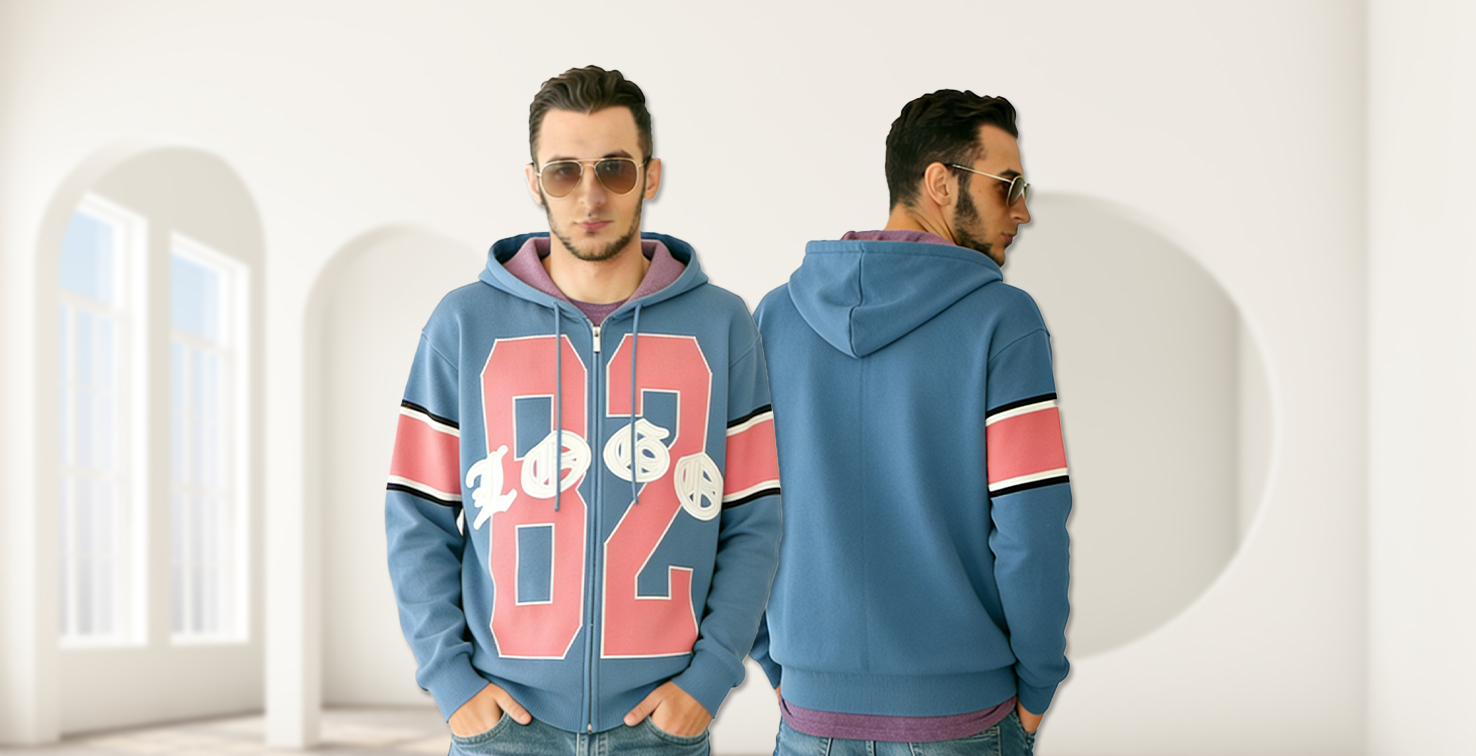
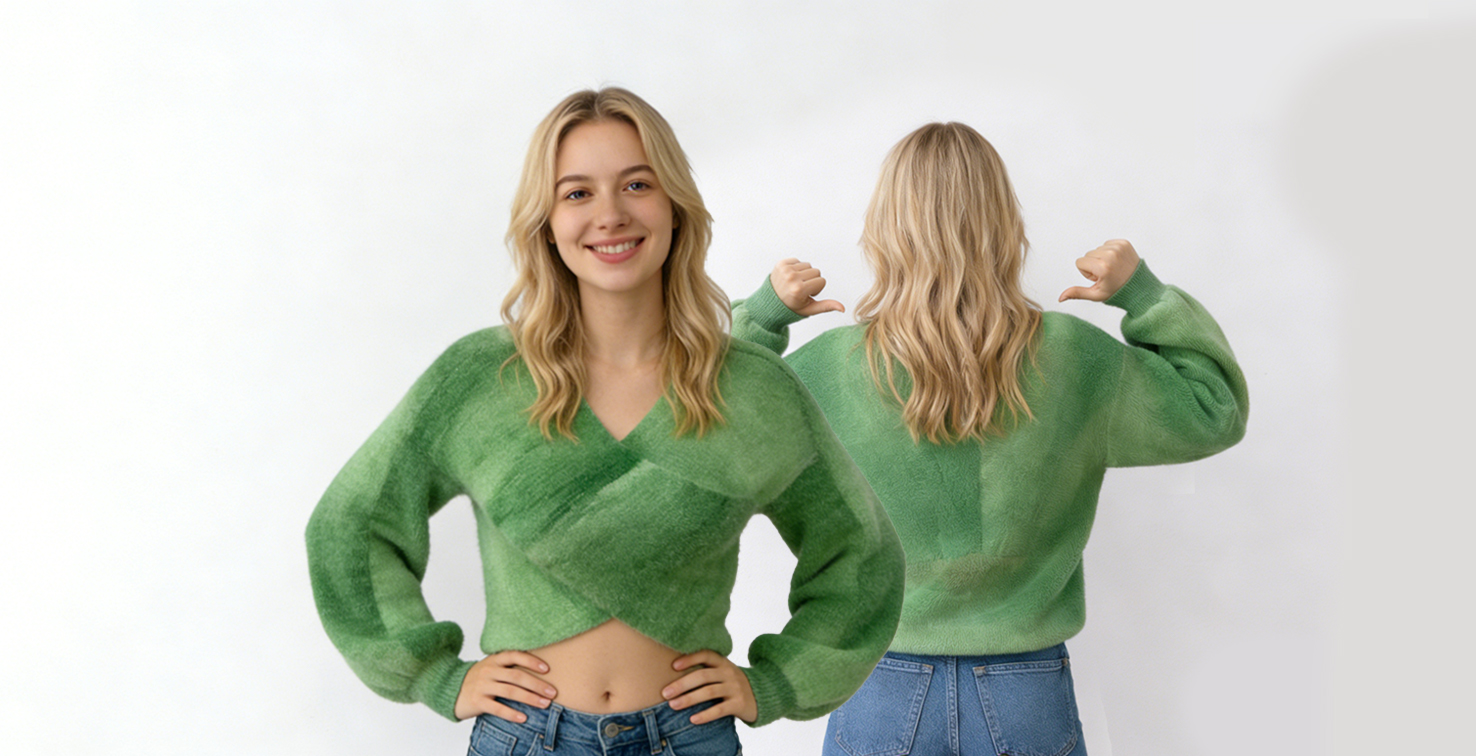
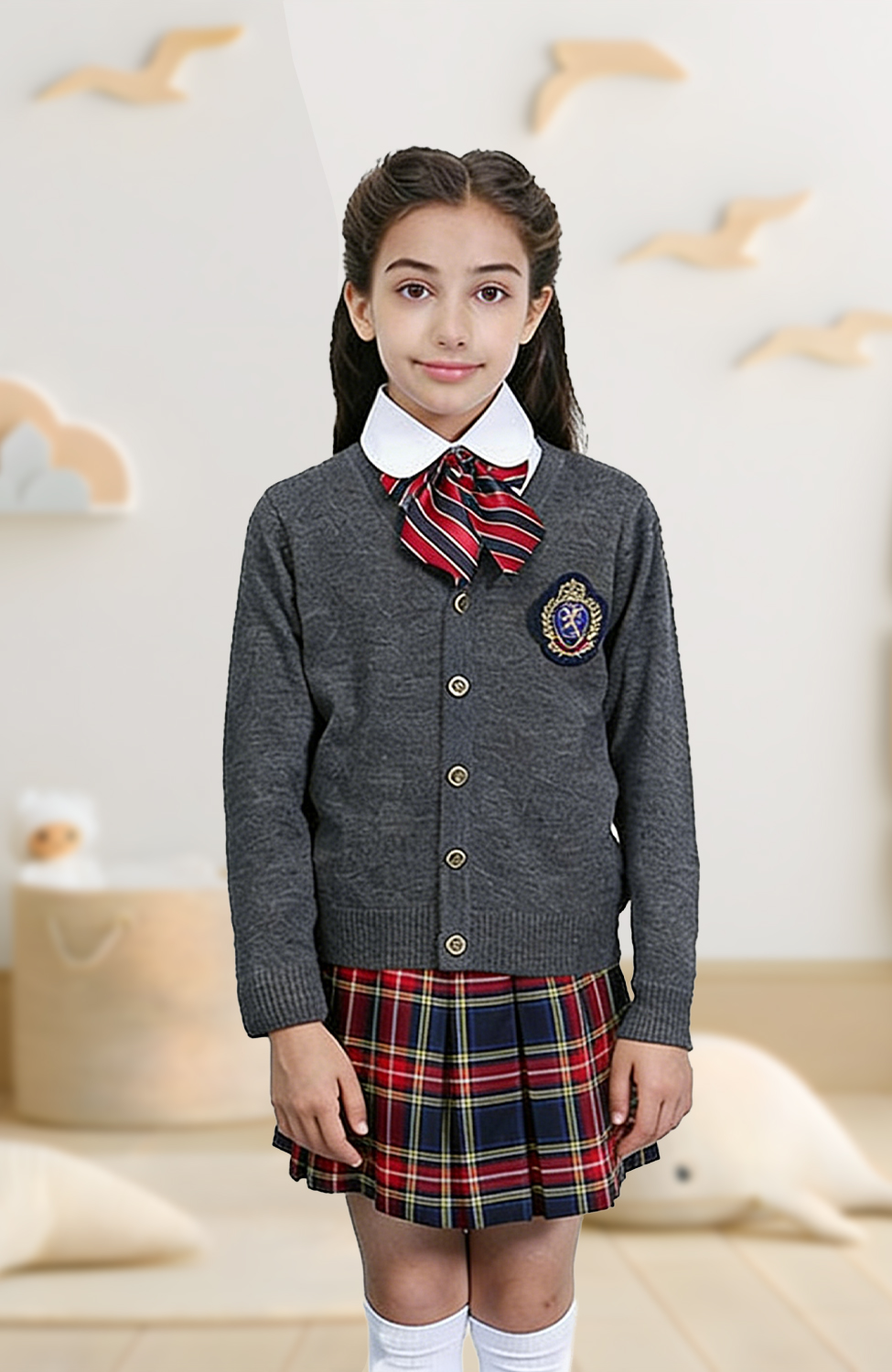
We can customize sweaters of various categories.




Featured videos
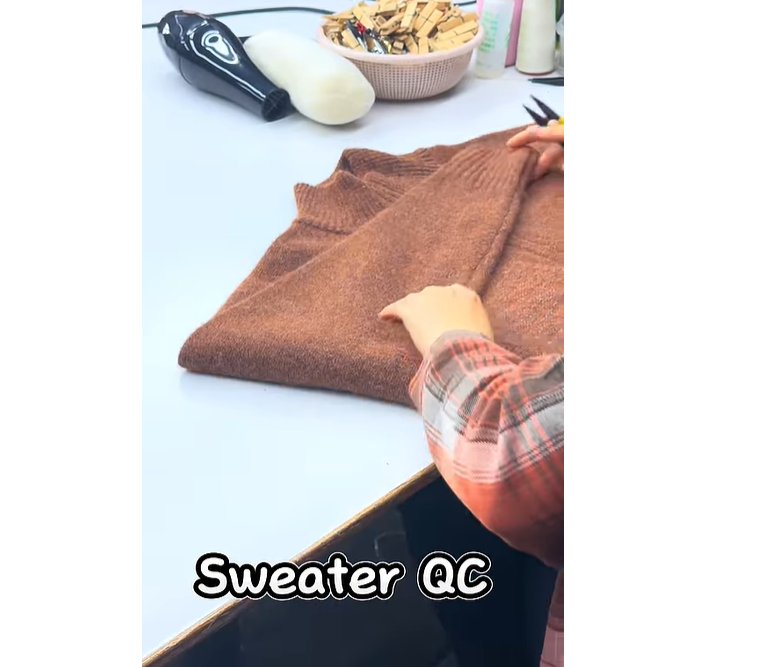
Sweater Factory On-Site Quality Control in China
Duration: 27sUpdated: March 11th, 2026Our Sweater Factory On-Site Quality Control in China sets the standard for excellence. We implement AQL 1.0 Inspection for High-End Heavyweight Sweaters, ensuring every custom garment meets the rigorous quality demands of premium global brands.
Knitwear Manufacturer and Sweater Factory: Providing full OEM/ODM services for global brands.
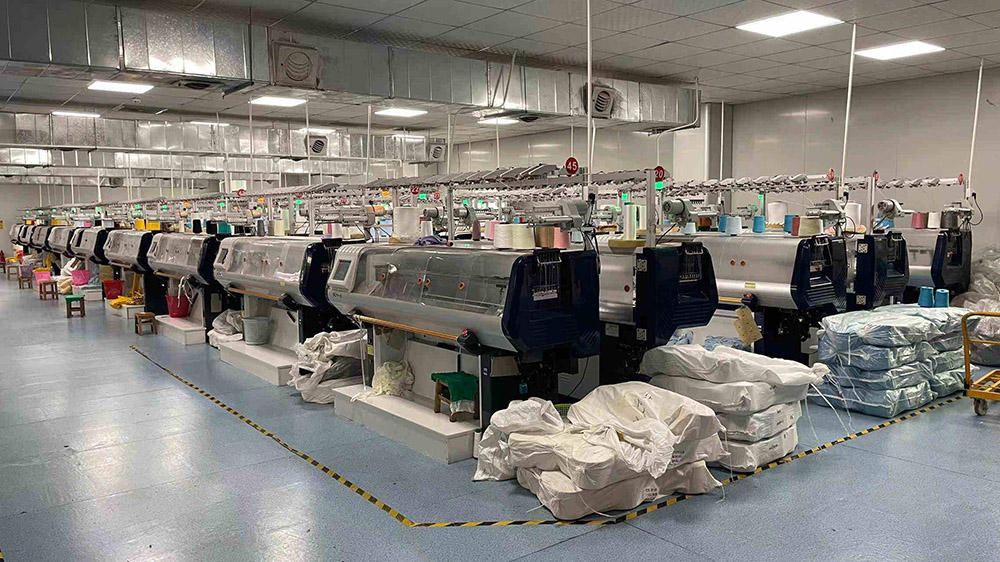
Duration: 58sUpdated: February 5th, 2026Welcome to our factory. We are a professional knitwear manufacturer specializing in comprehensive OEM and ODM services for global brands, with expertise in advanced techniques like embroidery, printing, and fabric combining. We produce a wide range of sweaters, including: Men's Sweaters Women's Sweaters Children's Sweaters Uniform & Corporate Knitwear Pet Sweaters Christmas & Novelty Sweaters Our expertise lies in sophisticated craftsmanship. We master various techniques such as embroidery, printing, beading, stone washing, spray coloring, and combining knit with woven fabrics. We transform your concepts from yarn into premium finished garments with consistent quality. From initial sampling to bulk production, we ensure efficient and reliable execution for every order. Let's discuss how we can bring your next sweater collection to life.
China Sweater Factory
Duration: 180sUpdated: December 3rd, 2025JMSWEATER factory is a professional sweater factory that various sweaters are available to be customized as clients' requests, OEM and ODM service offering.Brand high quality supplied, with competitive price. There are handreds of new designs released for each season.
Featured Posts
How to Evaluate a Custom Sweater Manufacturer: Sampling to Mass Production
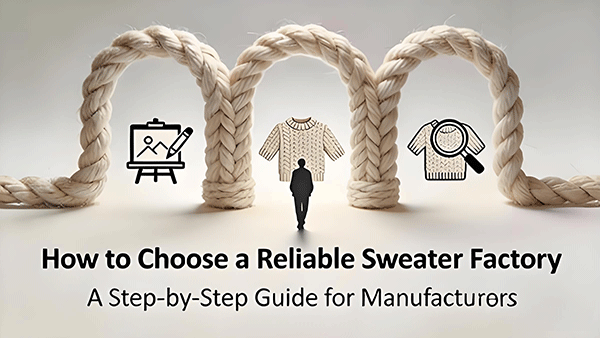
As a professional sweater manufacturer, we have been engaged in the knitwear industry for nearly 20 years,after working with many Western brands, I've learned something important. To judge a factory's reliability, don't just look at the price quote. Check the basics first. The bottom line for a trustworthy partner: at least 100 knitting machines, full gauge range from 3G to 18G, and building area over 1,000 square meters. These numbers matter. They determine if a factory can produce consistently, schedule flexibly, and manage risk effectively. These are the minimum requirements. Nothing less. Here’s the thing: most buyers come to me focused on price. But I can tell you—what really makes or breaks your brand isn’t unit cost. It’s what doesn’t show up on a quote: delayed containers, inconsistent quality, and email chains that never quite resolve. That’s where a full-service partner changes the game. Not a supplier who just takes orders, but a factory that knows how to think like you do. Next, I will give you a detailed introduction on how to choose a truly suitable factory. 1. Design & Technical Consultation – The First 96 Hours There are too many—where a great idea just gets stuck because no one can figure out if it’s even makeable. A good knitwear partner doesn’t wait for finalized tech packs. Send them a sketch, a reference photo, even just a concept. They’ll come back—usually within 1 to 4 business days—with a clear breakdown: what yarns will give you the right drape, which stitch structures hold up, and a realistic cost estimate. Think of it as a feasibility check before you commit. It saves you weeks of back-and-forth and makes sure your creative direction doesn’t run into production reality halfway through. 2. Development & Pre-Production Sampling – The 8-to-17-Day Window Once you’re in development, this is where the real collaboration starts. A solid factory won’t just follow instructions; they’ll pull yarn cards, test gauges, and dig into the construction details. I’ve watched our team go from “this is what we’re thinking” to a finished pre-production sample in 7 to 15 working days—and that includes nailing the handfeel, weight, and stitch definition. This phase matters because it’s your last chance to catch any fit or structural issues before you go into bulk. Do it right, and the rest of the process becomes surprisingly smooth. 3. Sample Approval & Production Planning – Small-Batch Flexibility More and more of the brands I work with aren’t placing 10,000-piece orders anymore. They’re testing collections with smaller runs—maybe 300 units—to manage inventory risk. So when a factory is willing to work with low MOQs and still treats your order with the same planning discipline as a large one? That’s a green flag. What that looks like operationally: once the sample is signed off, they’re already ordering yarn and trims and building out a production timeline by process stage. No waiting around. It’s the kind of structure that gives you confidence even on smaller commitments. 4. Bulk Production & In-Line Quality Checks Here’s a number you should ask every supplier: when do you inspect? I’ve seen factories that only check at the end—and that’s when surprises happen. A better approach is scheduling a mid-production inspection at around 30% completion. Bring in a third-party inspector or your own team. Catch a tension issue or a color inconsistency early, and you can correct it without re-running the whole order. 5. Final Inspection & Shipment – The AQL Standard For the final check, I always look for AQL (Acceptable Quality Limit) protocols. That means either 100% inspection or statistically valid sampling based on international standards. Once it passes, the rest is execution: packaging that actually protects the goods, and logistics coordination that fits your go-to-market timing. Whether it’s sea freight for cost efficiency or air freight to hit a launch date, the handoff should feel seamless. Why Standardized Workflows Matter More Than You Think Over the years, I’ve learned that the best partners don’t just deliver good product—they deliver predictability. A factory with a clear workflow—from sketch to shipment—takes the guesswork out of your supply chain. You’re not constantly firefighting. You’re not chasing updates. Honestly? That frees you up. So you can focus on what you’re best at. Building your brand. If you’re evaluating manufacturers right now, ask how they handle the first 1–4 days of your inquiry, how they manage sampling in that 8-to-17-day window....... Those details tell you more than any factory tour ever will.
view more
From Celebrity Endorsements to Short-Form Video: A New Era for the Fashion Industry
Not long ago, the fashion industry followed an unwritten rule: If you wanted your brand to be seen, you needed a celebrity endorsement. Celebrities dictated what was “in.” Runways set the tone. Magazines shaped public taste. The entire fashion pipeline was controlled by a few influential figures—and only brands with deep pockets could afford this system. Then short-form video arrived, and everything changed. TikTok, Instagram Reels, and YouTube Shorts shifted fashion from a top-down model to a community-driven ecosystem. Trends are no longer created by celebrities—they’re created by anyone who can make relatable, fun, or authentic content. 1. Influence moved from celebrities to everyday users Today, a 10-second outfit video, a girl sharing “3 must-have winter sweaters,” or a guy teaching “how to style an oversized knit” can outperform a celebrity commercial. Consumers trust “people like me” far more than “people paid to wear this.” 2. Brands no longer need massive budgets to be visible Short video democratizes visibility: Small brands can explode overnight from one viral clip Independent designers gain fans by showing how a garment is made Manufacturers attract B2B clients through behind-the-scenes videos Great content—not great budgets—creates impact now. 3. Short-form content accelerates product development In the past, brands waited for celebrity events to validate trends. Now they simply: 👇 Upload a try-on video 👇 Read audience feedback 👇 Finalize designs in days 👇 Test with small batches For knitwear manufacturers offering fast sampling and small-order flexibility, this shift is a huge advantage. Short-video trends move fast, and agile production wins. 4. Fashion is becoming more democratic No celebrity? No glossy campaign? No problem. Short-form video allows brands, designers, and even regular consumers to shape the industry. It brings: More authenticity, faster validation, lower barriers, and more opportunities. Conclusion Short-form video hasn’t replaced celebrity endorsements—it has replaced the old rules of who gets to influence fashion. Today, success belongs to brands that can tell authentic, engaging stories that resonate with real people. If you want to learn more, please contact us. We are a professional sweater manufacturer with more than 20 years experience. We can provide you personalized custom sweater service.
view more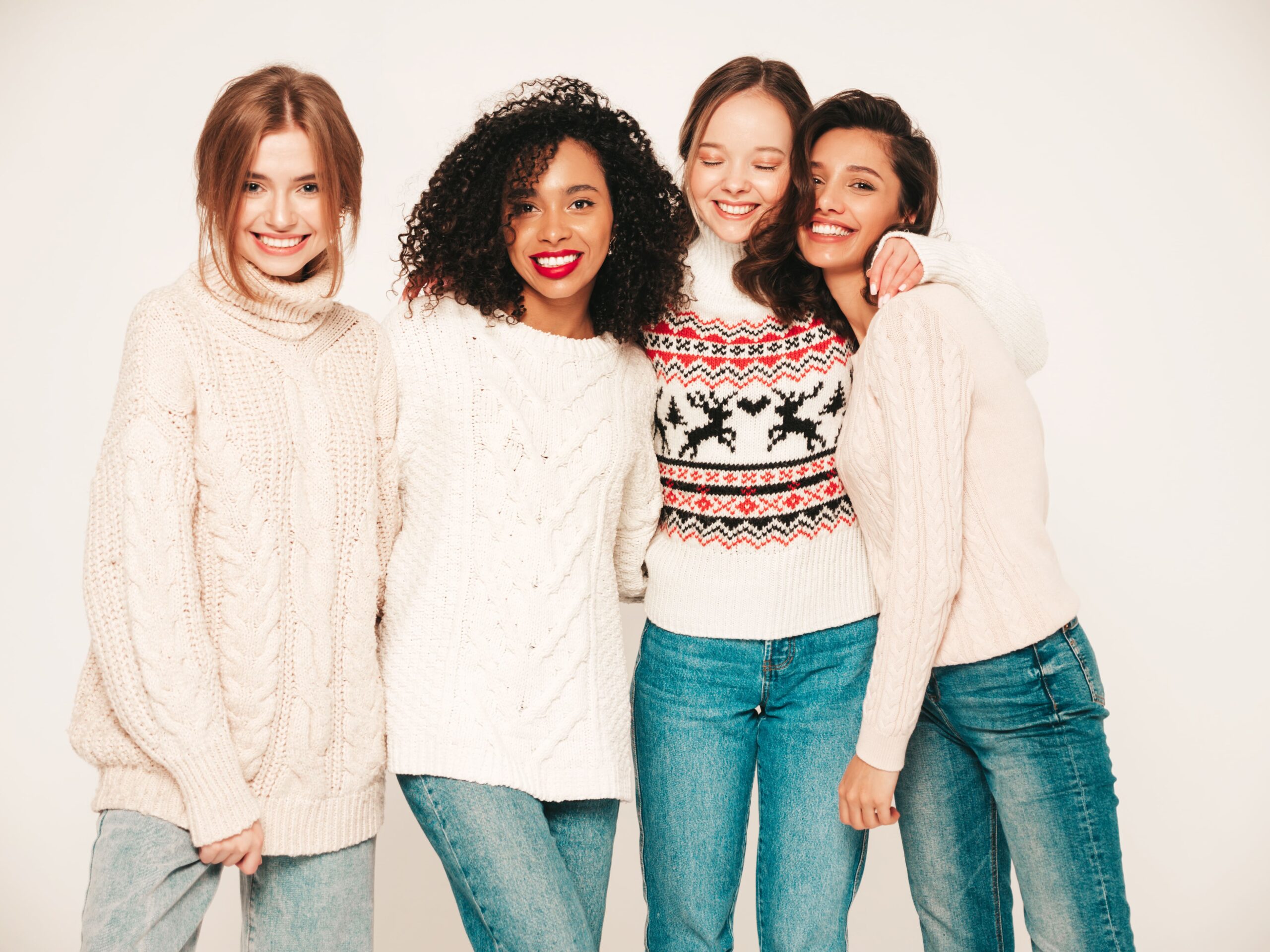
Why Streetwear Rarely Separates Men’s and Women’s Styles
In today’s fashion world, the boundaries between genders are fading fast. From Paris Fashion Week to the streets of Los Angeles, more and more brands and consumers are ignoring traditional labels like “men’s” and “women’s”—especially in streetwear. 1. Streetwear was genderless from the start Born from youth subcultures like skateboarding, hip-hop, and graffiti, streetwear has always been about attitude, not gender. Oversized silhouettes, bold cuts, and relaxed layering highlight individuality over conformity. That’s why men and women alike wear the same hoodies, sweaters, and sweatshirts—street fashion celebrates expression, not labels. 2. Social media fuels “gender-fluid aesthetics” On Instagram and TikTok, personal expression has no boundaries. Girls wearing oversized “boyfriend sweaters” project confidence, while guys in pastel cardigans show softness and creativity. These style crossovers have become trendsetters, proving that digital culture is reshaping what “beautiful” means. 3. How brands and suppliers are adapting More fashion brands are embracing unisex design principles right from the development stage: Neutral, relaxed fits that flatter all body types Inclusive color palettes, beyond “pink for her, black for him” Fabric choices focused on comfort and versatility For sweater manufacturers, this shift is an opportunity. Knitwear naturally lends itself to genderless design—its softness, stretch, and drape make it ideal for unisex silhouettes. Factories that can offer flexible pattern adjustments and small-batch customization help brands launch gender-neutral collections faster. 4. The future of fashion: style over gender Today’s consumers don’t ask, “Is this for men or women?” They ask, “Is this my style?” Streetwear has blurred gender lines in the most effortless way—turning clothing into a statement of freedom, creativity, and self-expression. If you want to learn more, please contact us. We are a professional sweater manufacturer with more than 20 years experience. We can provide you personalized custom sweater service.
view more